-

The Role of Physical Therapy for the Elderly in Maintaining Mobility
Physical therapy is a form of care that uses guided movement, hands-on techniques, and practical education to help people move more effectively and comfortably. For older adults, it often focuses on maintaining mobility, which supports daily function and makes routine tasks easier to manage. As people age, changes in strength, balance, flexibility, and endurance affect…
-
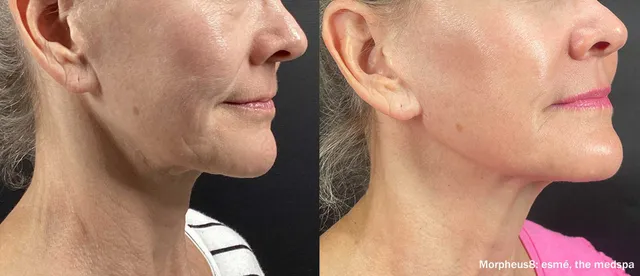
Understanding What Sets Morpheus8 Apart in Skin Care
Advancements in dermatological technology continually provide new methods for skin rejuvenation. Individuals seeking to improve their skin texture can encounter a vast array of available treatments, and navigating these options requires clear information regarding how each system operates. Among modern non-surgical interventions, Morpheus8 has emerged as a method for addressing common dermatological concerns. What Is…
-
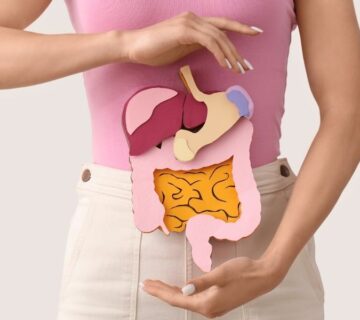
FAQs About Gastroenterologists and Digestive Disorders
A gastroenterologist is a specialized medical doctor who focuses on the digestive system. These physicians have extensive medical training, and they understand various diseases that occur commonly within the digestive system. Because the digestive tract spans from the mouth to the colon, these practitioners address a wide array of complex structures. What Does a Gastroenterologist…
-
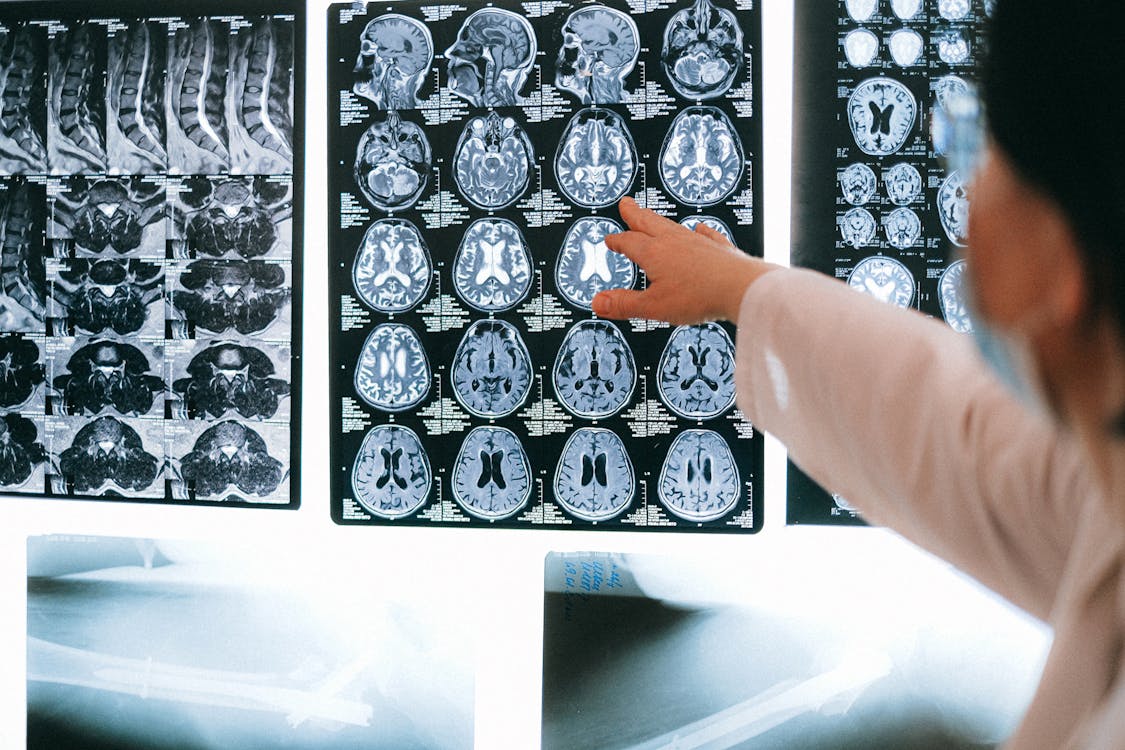
How Neurologists Utilize Advanced Imaging Techniques for Diagnosis
Neurologists diagnose disorders such as dementia, epilepsy, memory loss, movement disorders, tremors, stroke, multiple sclerosis, neuropathy, vertigo, and sleep disorders. They use advanced MR neuroimaging to study the nervous system; these methods add detail that standard assessment alone does not provide. Neurological disorders affect structure, blood flow, and tissue composition in different ways. Imaging helps…
-

Preparing Your Home for Recovery After Gallbladder Surgery
Patients scheduled for a cholecystectomy, the medical term for gallbladder removal, benefit from organizing their home prior to the operation. Modifying the home environment creates a secure setting that supports the healing process. While medical professionals provide detailed post-operative guidelines, proactively setting up a designated resting area and stocking your house with necessary supplies facilitates…
-

When To Consult a Cardiologist
A cardiologist is a physician who focuses on the heart and blood vessels. They offer comprehensive cardiovascular care, which involves routine checkups, symptom review, follow-up visits, and preventive planning. Knowing when to schedule an appointment gives you a clearer path forward, and it helps you respond to any changes in a practical way. Here’s some…
-

How Internal Medicine Helps Treat Depression
Internal medicine practices address a wide range of health needs. Depression also needs medical attention. Because mental and physical health can affect each other, internal medicine providers assess both during office visits, and they help manage depression symptoms over time. Annual physical exams support early identification of health concerns. Some patients seek specialty care. Others…
-
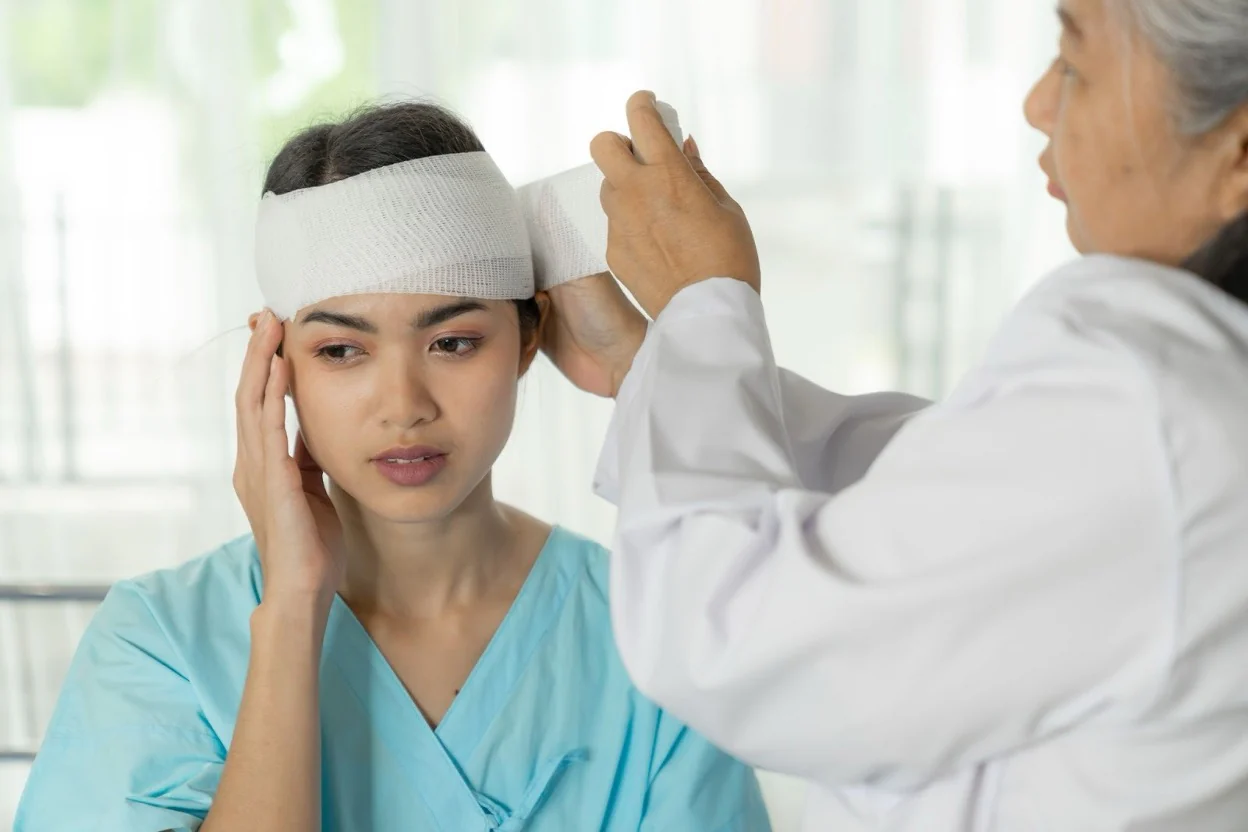
Long-term Care and Monitoring After Brain Surgery
Brain surgery involves medical procedures to repair structural issues within the brain. Patients undergo these operations to address various medical conditions, and doctors monitor them closely. Since the brain controls complex bodily functions, surgery requires precision and careful post-operative observation. Patients and their families use long-term care plans to navigate the recovery process effectively. What…