
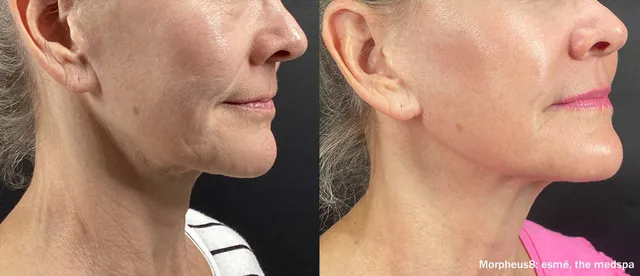

Advancements in dermatological technology continually provide new methods for skin rejuvenation. Individuals seeking to improve their skin texture can encounter a vast array of available treatments, and navigating these options requires clear information regarding how each system operates. Among modern non-surgical interventions, Morpheus8 has emerged as a method for addressing common dermatological concerns.
What Is Morpheus8?
Morpheus8 integrates microneedling and radiofrequency energy. During a standard procedure, a matrix of microscopic needles penetrates the superficial layers of the skin. The device simultaneously emits targeted radiofrequency waves deep into the underlying tissue layers. This dual-action mechanism stimulates the body’s natural collagen and elastin production processes and systematically remodels the dermal tissues. Traditional resurfacing methods may only treat the skin’s uppermost surface, but this advanced technology reaches subdermal layers at customizable depths. By adjusting these parameters, practitioners can target the precise structural foundations of the skin.
What Does It Address?
Patients seek this therapy to correct a wide variety of structural and textural skin irregularities across multiple areas of the body. On the face and neck, the procedure targets fine lines, moderate wrinkles, and skin laxity. It specifically acts to firm tissue that has begun to sag due to the natural, age-related decline in collagen production. Patients can notice a more contoured jawline and experience a reduction in the depth of nasolabial folds following their sessions.
Beyond facial applications, practitioners may apply the device to the abdomen, thighs, buttocks, and other body regions prone to mild laxity. The targeted thermal energy assists in tightening loose skin resulting from weight fluctuations or natural aging. It also demonstrates efficacy in diminishing the visual appearance of cellulite. Textural irregularities such as deep acne scars can respond positively to this combined therapy. The controlled micro-injuries, paired with heat, help to break down rigid, older scar tissue. The treatment aids in fading stretch marks across the body, and can lead to a more uniform skin surface.
What Are the Advantages?
Several distinct factors differentiate this technology from traditional cosmetic interventions. The treatment offers substantial versatility for a diverse patient demographic. It is suitable for all skin types and skin tones and can avoid the post-inflammatory hyperpigmentation risks that sometimes accompany specific laser therapies. It also provides an effective non-surgical alternative for individuals who prefer to avoid certain risks and downsides, including extended recovery periods associated with invasive plastic surgery.
Patients typically experience minimal downtime following a session. Most individuals can resume their regular daily activities, including work, within a few days of the procedure. The safety profile of the device is also well-established. It is an FDA-cleared technology, and it relies on tested mechanisms to deliver visible outcomes.
Consult a Cosmetic Expert
While the technology presents clear benefits for comprehensive skin remodeling, individual results depend on proper application and carefully tailored treatment plans. Selecting a qualified professional remains a necessary and foundational step in the aesthetic process. During a personalized consultation, a skilled practitioner will discuss realistic expectations and map out a precise protocol for your unique anatomy. Preparing for the treatment under expert guidance can optimize the final outcome and protect long-term skin health.