-

How Often Should I Visit My OB/GYN?
Women should generally schedule a routine wellness exam with an obstetrician/gynecologist once a year. These annual visits provide preventive care, and they facilitate early detection of reproductive health issues. Doctors may recommend more frequent visits if a patient experiences pregnancy, specific medical conditions, or abnormal test results. Here is more information on the services an…
-
Managing Lifestyle Changes Post-Bariatric Surgery
Bariatric surgery marks the beginning of a long-term adjustment in daily routines; many people need to follow new habits related to meals, fluids, movement, and follow-up care. These changes shape how a person plans their day and shops for food. Managing life after bariatric surgery involves structure, consistency, and close attention to provider instructions. With…
-

Proactive Measures for Maintaining Healthy Feet in Diabetic Patients
Diabetic foot care plays a fundamental role in preventing complications such as wounds, infections, poor circulation, and nerve-related foot problems. Regular monitoring, proper hygiene, and routine professional evaluations can help diabetic patients protect their feet and maintain mobility. Here are some proactive measures for maintaining healthy feet in diabetic patients: Inspect Feet Daily Checking your…
-
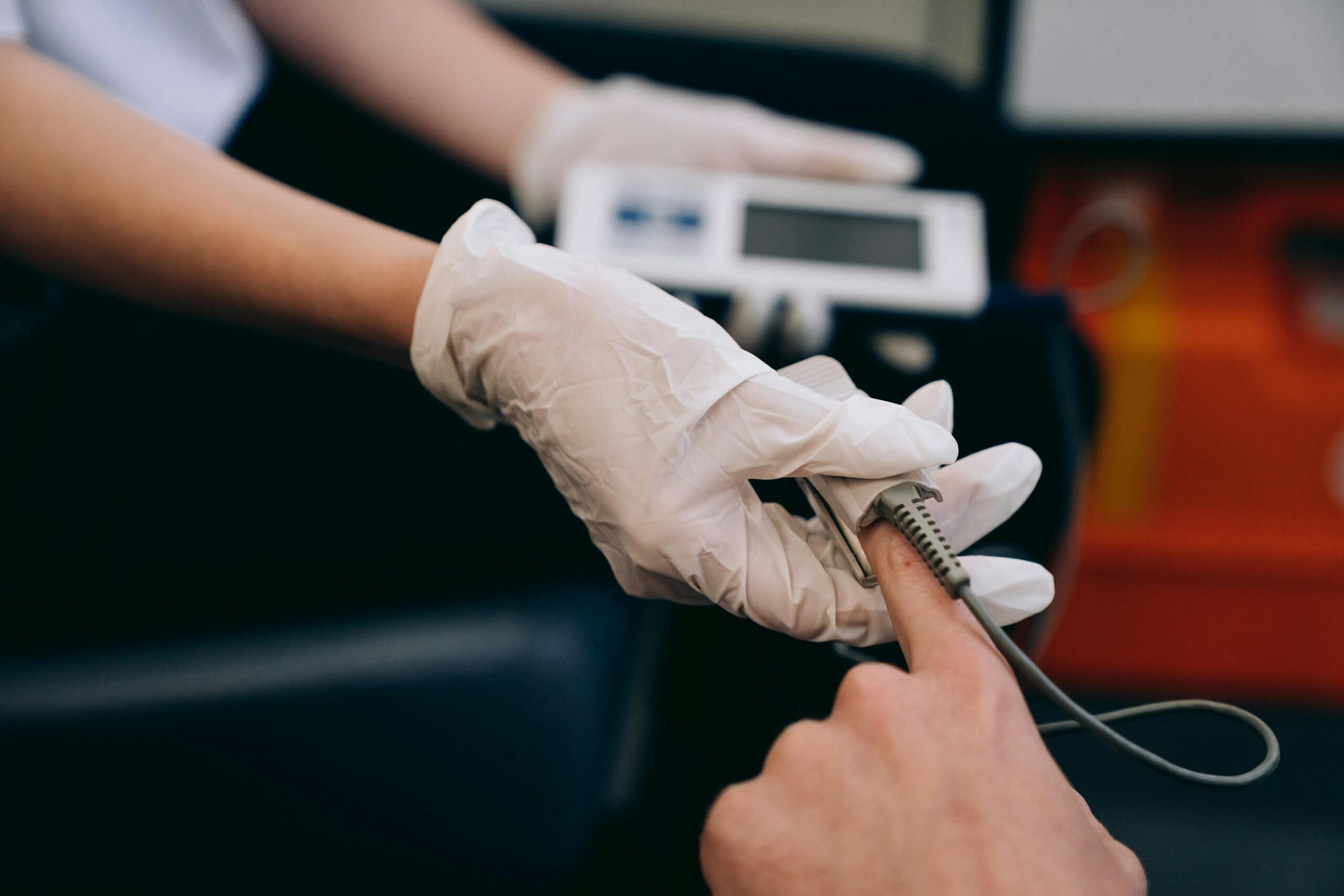
What Does a Doctor Assess During a Physical Exam?
A routine clinical physical exam provides a baseline understanding of a patient’s overall health. Physicians evaluate multiple body systems during this standard medical visit, and they document any noticeable deviations from previous health records. Because medical professionals require accurate diagnostic data, they review their patients’ symptoms alongside family health history. When doctors establish this baseline…
-

Addressing Common Questions About Hormone Replacement Therapy
Hormone Replacement Therapy (HRT) is used to adjust hormone levels when the body is producing less than it once did. It is commonly discussed during menopause and other hormone-related changes that affect daily life. HRT may involve estrogen, progesterone, testosterone, or a combination; this depends on a patient’s symptoms and treatment goals. Here are some…
-

The Role of Professional Teeth Cleaning Alongside Your Home Care
Teeth cleaning removes plaque, tartar, and surface stains from the teeth. You brush and floss at home, but some buildup stays in places your tools miss. As plaque hardens over time, a dental cleaning targets areas that regular home care does not remove. Here is more information on the role of professional teeth cleaning: Removing…
-

Common Misconceptions About Botox
Botox is often linked with cosmetic use, but its medical uses matter too. If you are considering Botox, knowing its wider role can help you ask better questions. Providers use injectables in both aesthetic and medical care, and treatment plans vary depending on the goal. A clear overview helps you compare options. Common Botox Uses…
-

Exploring the Role of Psychotherapy in Managing Depression
Depression is a mental health condition that affects mood, thinking, sleep, energy, and daily function. It may last for weeks or months, and it typically changes how a person works, relates to others, and manages routine tasks. While sadness comes and goes, depression typically stays present and disrupts normal life because symptoms reach beyond a…