
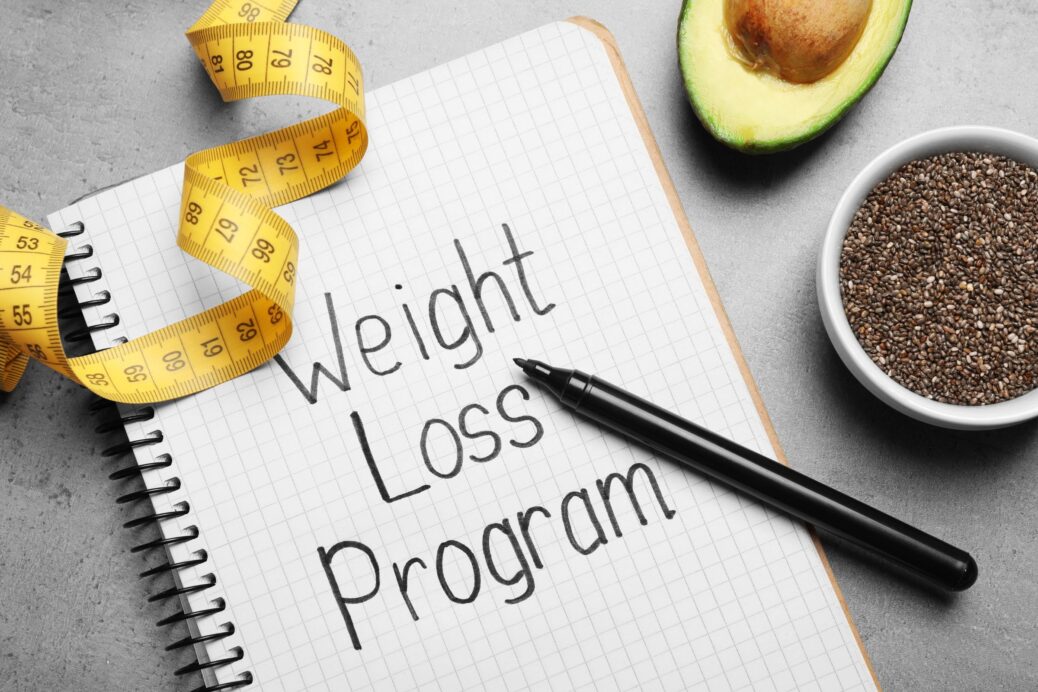

Weight loss refers to a reduction in total body mass through adjustments to diet, movement, and supportive treatments. A personalized plan accounts for individual factors, like existing health conditions and age. When a plan reflects current conditions, it adapts to the realities of one person rather than a general standard. This process requires several aspects of health that combine to promote steady weight loss.
Meal Planning
Meal planning organizes daily food intake into structured portions, and it centers on calorie balance and nutrient variety. A clear focus on energy needs and food preferences makes a plan simpler to maintain. Meals should include the basic food categories of proteins, carbohydrates, fats, and fiber-rich foods that support steady energy across the day. A balanced diet also monitors calorie intake to match it with calorie usage during the day to support weight loss.
When calories are spread across several smaller meals instead of one large meal, the body receives a more even supply of fuel. Portion sizes shape the total intake since properly sized meals aid in keeping within calorie limits. Tracking food through a journal or an app can reveal daily patterns, and this record points to areas that need adjustment over time.
Exercising
Physical activity increases energy expenditure, and several kinds of activity should be included in the plan, like aerobic exercise, resistance training, and flexibility work. Regular movement supports muscle maintenance. A program that matches an individual’s fitness level lowers injury risk while building steady habits across several weeks of practice.
Aerobic exercise raises the heart rate to help increase heart health. Activities such as walking, cycling, and swimming belong to this group, and the duration adjusts according to personal tolerance. A schedule that alternates between higher and lower intensity spreads physical demand more evenly across the week.
Resistance training preserves lean muscle mass during periods of reduced calorie intake, and sessions often target specific muscle groups on separate days. Rest periods allow tissue recovery between workouts. Flexibility work supports a wider range of motion to support a wide variety of movement. A routine that combines all three forms creates a balanced approach to movement.
Medication Support
Medication support involves prescribed treatments that assist weight management, and each option is evaluated against an individual health profile. A clinician reviews medical history before recommending a treatment. Some medications act as an appetite suppressant, while others alter how the body absorbs nutrients. Choosing the right medication depends on each individual’s goals and circumstances.
Regular monitoring tracks both the response and any side effects across the treatment period. Dosage adjustments depend on measured results over time, since alterations to medication prescriptions can improve results. Treatment plans pair medication with diet and movement rather than replacing them, and a clinician explains the expected timeline and the conditions under which a treatment ends.
Create a Weight Loss Plan
A personalized weight loss plan combines several methods of weight management strategies, and these combined methods are adjusted to each individual. Since an individual plan can be adjusted as needed, keeping records of weight changes and food intake informs medical professionals. Small, gradual changes to lifestyle often provide results rather than attempting abrupt shifts. Contact a qualified clinician to begin building a weight loss plan.
Leave a Reply