-

When to Think About Surgery for Snoring Issues
Snoring is a common condition that affects people of all ages. For many, it is occasional and harmless. For others, it happens nightly and disrupts sleep for both the snorer and anyone nearby. When snoring persists despite lifestyle changes and basic treatments, a snoring doctor can help you understand options and treatment. Causes and Symptoms…
-

The Importance of Caring for Dentures as Part of Family Dental Habits
Dentures replace missing teeth and help restore normal chewing and speech. Like natural teeth, they require regular cleaning and consistent care to stay functional. When denture maintenance becomes part of the daily routine, it supports better oral health for the person who wears them and reinforces good practices for everyone in the home. Cleaning Dentures…
-

How Gynecologists Can Help With Menstrual Irregularities
Gynecology focuses on the health of the female reproductive system, and doctors in this field treat conditions affecting the uterus, ovaries, and hormones. These doctors also track menstrual patterns closely. When your cycle changes, a gynecologist examines the details to find an explanation. Here is more information on how these professionals can treat menstrual irregularities:…
-

How a Vein Clinic Can Help You Maintain Vascular Health
Maintaining vascular health requires identifying vein-related concerns early and supporting proper blood flow through appropriate care. A vein clinic evaluates symptoms and recommends treatment options based on the patient’s condition. Here is more information on how a vein clinic can help you maintain vascular health: Evaluating Vein Concerns The first step at a vein clinic…
-

The Comprehensive Role of OBGYNs in Women’s Health
An obstetrician-gynecologist (OBGYN) is a physician who specializes in the female reproductive system and the wider scope of women’s health. These providers manage many services; this includes routine preventive care, menstrual health evaluations, pregnancy-related care, and menopause management. When you understand what an OBGYN offers, you can make better use of your care at each…
-
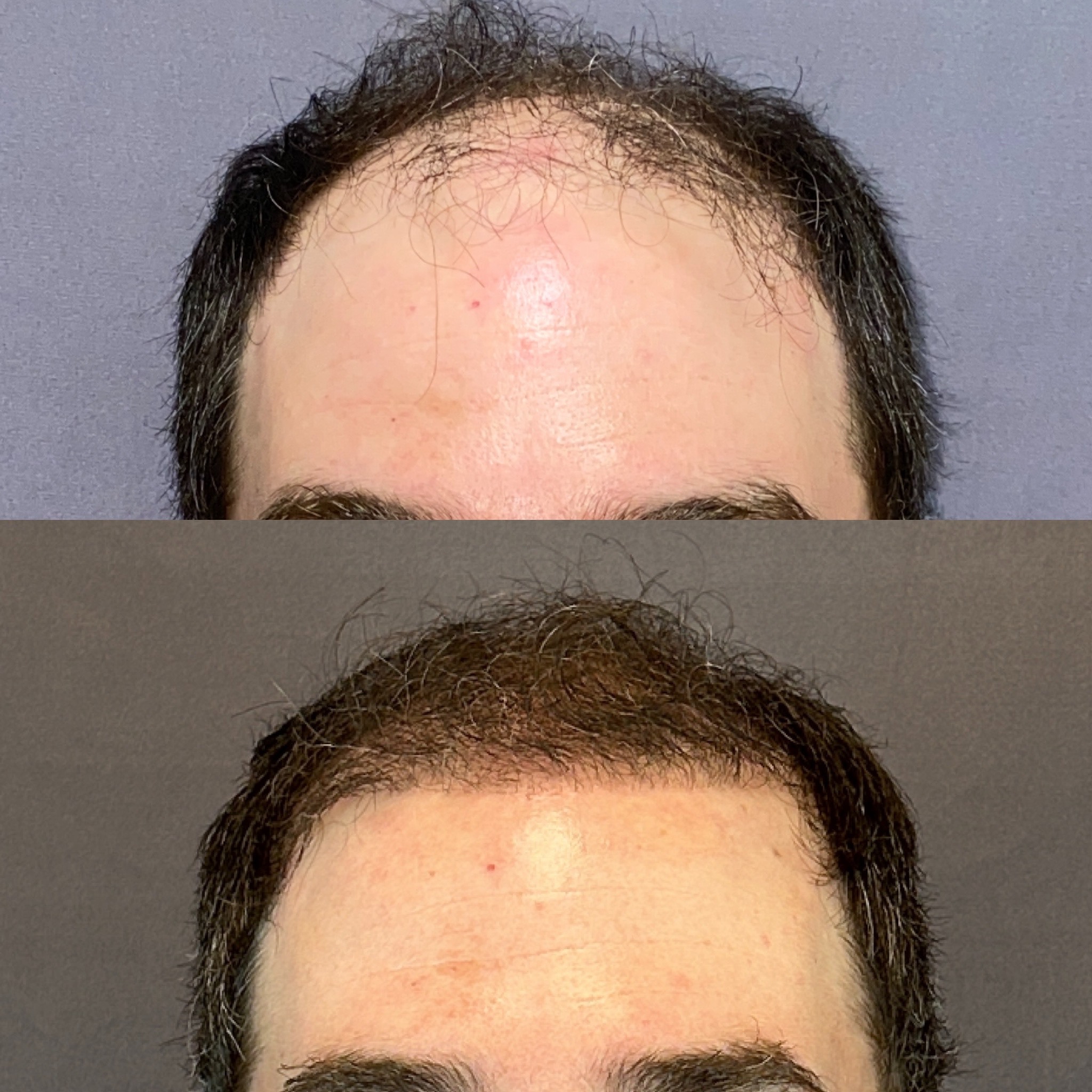
FUE Hair Transplant for Dealing With Hair Loss
Follicular unit extraction, often shortened to FUE, is a method for moving hair from one part of the head to thinning areas of the scalp. Individual hair groups are taken from the back or sides of the scalp, and these groups are then placed into spots where hair has grown sparse. The procedure works without…
-

Is Microneedling or Chemical Peels Right for you?
Clearer, smoother skin can be achieved through multiple medical aesthetic treatments, but each option works differently. RF microneedling uses controlled micro-injuries combined with radiofrequency energy to stimulate collagen and improve skin texture. Chemical peels use a solution to exfoliate the outer layers of skin and address concerns such as discoloration and uneven tone. Understanding how…
-

Choosing the Right IVF Clinic
Selecting an IVF clinic involves evaluating success rates, treatment options, and communication practices. The right clinic depends on your diagnosis, and asking detailed questions early helps guide your decision. IVF, or in vitro fertilization, is one of the most effective assisted reproductive technologies available today, but outcomes and experience vary by clinic. Here is more…