
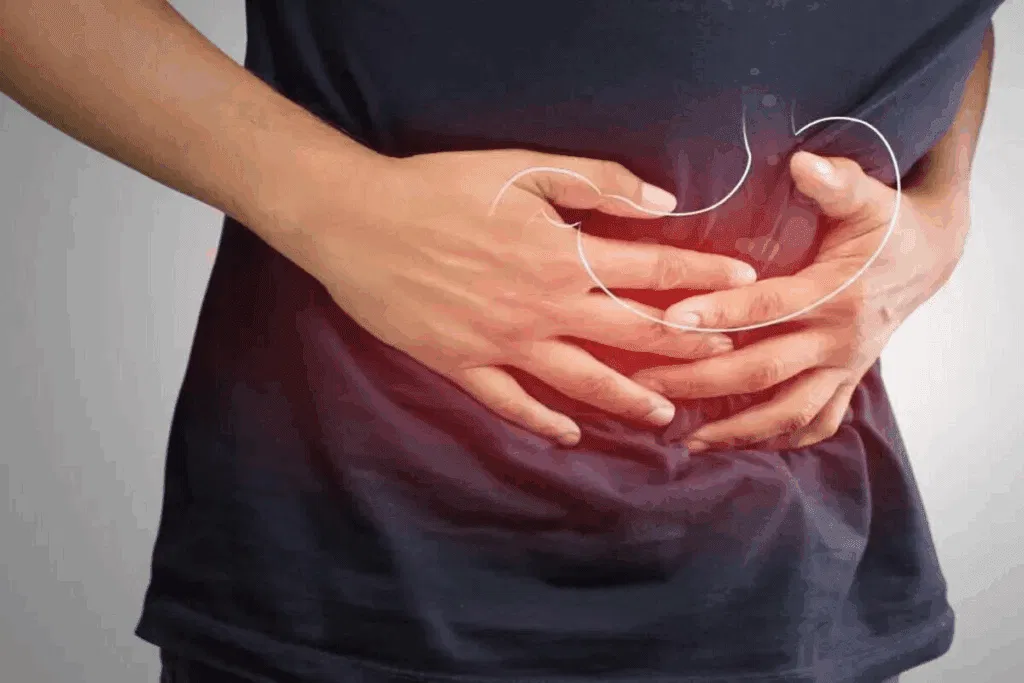

The gallbladder is an organ that stores bile and releases it to help break down fats during digestion. Surgeons perform a gallbladder removal in a procedure called a cholecystectomy, and the operation often occurs after an individual has problems with gallstones or inflammation. When the gallbladder is gone, bile flows straight from the liver into the small intestine without a holding station. Many people adjust their daily habits afterward because digestion works a little differently.
Manage Fat Intake
Since bile no longer arrives in concentrated bursts after a gallbladder removal, large amounts of fat is usually harder to break down. A meal heavy in fried food or oil might trigger stomach discomfort. Smaller portions of fat tend to settle better, and lean proteins like chicken or fish offer a gentler option than fatty cuts. Cooking methods also matter since added oil can have a similar effect.
Healthy fats from sources such as olive oil, avocado, and nuts still belong in a balanced diet. Spreading fat across the day instead of loading one meal eases the workload on the digestive system. Some people track their reactions to specific foods, and that record helps them spot patterns over time. Some individuals may choose to slowly remove greasy foods from their diet before surgery as preparation for the dietary change.
Eat More Frequently
Three large meals can overwhelm a body that lacks a bile reservoir, so several smaller meals often work better. A person might split breakfast, lunch, and dinner into five or six lighter sittings. Frequent eating keeps the digestive system busy with manageable loads, and it reduces the chance of cramping after a heavy plate. Planning these meals ahead may take time, but if often comes with positive results.
Limit Digestive Irritants
Certain foods and drinks tend to aggravate the gut after surgery, and identifying them takes patience. Caffeine, alcohol, and very spicy dishes are often common triggers. A food log can reveal which items cause trouble, so the worst triggers are removed or reduced from the diet. Reactions vary from one person to the next.
Sugary foods and refined carbohydrates sometimes lead to bloating or rapid bowel movements. Fiber plays a steadying role because it adds bulk and slows digestion, though too much fiber introduced quickly may cause gas. A gradual increase in vegetables, oats, and whole grains tends to be tolerated more easily. Drinking enough water supports this shift. Fiber also helps to keep individuals full for longer.
Carbonated drinks and artificial sweeteners may also cause discomfort. Many people find that limiting these items reduces gas and discomfort, and the relief encourages them to manage their diet properly. A registered dietitian or gallbladder specialist can help to map out a plan that fits individual needs and food preferences.
Understand Gallbladder Removal Lifestyle Changes
Life after gallbladder removal brings the need for dietary adjustments, since the body no longer has the necessary tools to consume high amounts of fat. When individuals control their diet, they may find they are able to live normally without their gallbladder. Each individual is different, so monitoring which foods cause discomfort can help reduce digestion issues. Contact a surgeon or specialists to ask more questions about what could be helpful after a removal surgery.