
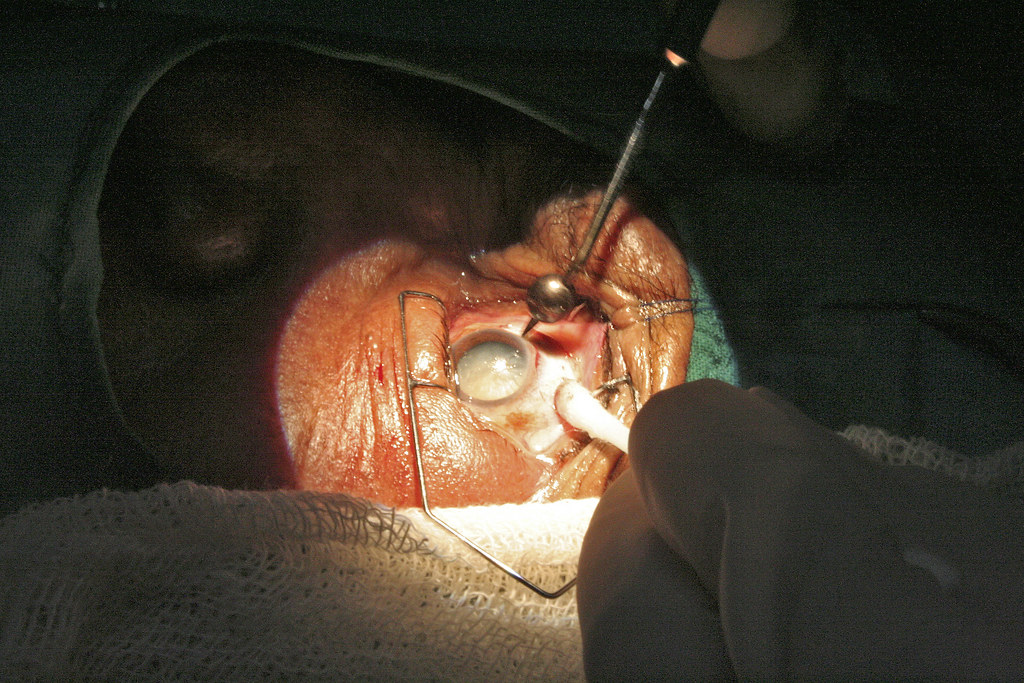

A cataract clouds the natural lens inside your eye, but a procedure removes it, and a surgeon replaces it with an artificial one. When vision loss starts to affect daily tasks, your eye doctor may recommend this procedure. Knowing what happens at each stage helps you prepare. Here is more information on what you should know about cataract surgery:
Preparatory Steps
Your surgeon performs measurements of your eye before the date. These readings determine the power of your replacement lens, and they guide the surgical plan. You typically receive instructions about eating, fasting, and medication timing. Following them closely keeps your surgery appointment on schedule.
A few practical tasks fall to you in the days beforehand. Arrange a ride home, fill any prescriptions, and clear your calendar for rest. Since you receive a mild sedative, driving afterward is not allowed. These small steps reduce issues on the day itself.
Artificial Lens Types
Your replacement lens is called an intraocular lens, or IOL. Several designs exist, and each one corrects vision differently. The choice depends on your eye, your budget, and your daily habits. Your surgeon reviews the options with you during a consultation.
IOL categories include a few main types:
- Monofocal lenses, which focus at one distance
- Multifocal lenses, which address near and far vision
- Toric lenses, which correct astigmatism
You weigh these choices against your routine. A reader may favor near focus, while a driver may favor distance. Since no single lens suits everyone, the discussion matters before surgery.
Surgical Procedure
The procedure is typically quick. Numbing drops prepare your eye, and you stay awake but relaxed throughout. The surgeon makes a tiny incision near the edge of your cornea. You feel pressure rather than pain.
Sound waves break the cloudy lens into small pieces. The surgeon removes those fragments, then inserts the folded IOL through the same incision. Since the cut is so small, stitches are often unnecessary. The lens unfolds into its correct position.
After this step, the team checks the lens and covers your eye with a shield. You rest briefly in a recovery area, and staff review your aftercare notes. Many people go home within a couple of hours. Your driver takes you back to recover.
Full Recovery
Mild blurriness is normal for the first day. Your vision sharpens gradually, and clarity typically improves over several weeks. You apply prescribed drops on a set schedule to limit infection and swelling. Skipping doses slows the process.
Certain activities wait during early healing. Avoid heavy lifting, swimming, and rubbing the eye for the period your surgeon sets. As dust and water may raise the risk, you wear the shield while sleeping. Follow-up visits confirm that healing stays on track.
Schedule Cataract Surgery
Cataracts progress over time, and clouded vision rarely improves on its own. A consultation gives you measurements, lens options, and a clear timeline. If daily tasks feel harder, an evaluation answers your questions directly. You leave the visit with a defined plan. Contact your eye clinic today to schedule an exam and start the conversation.