
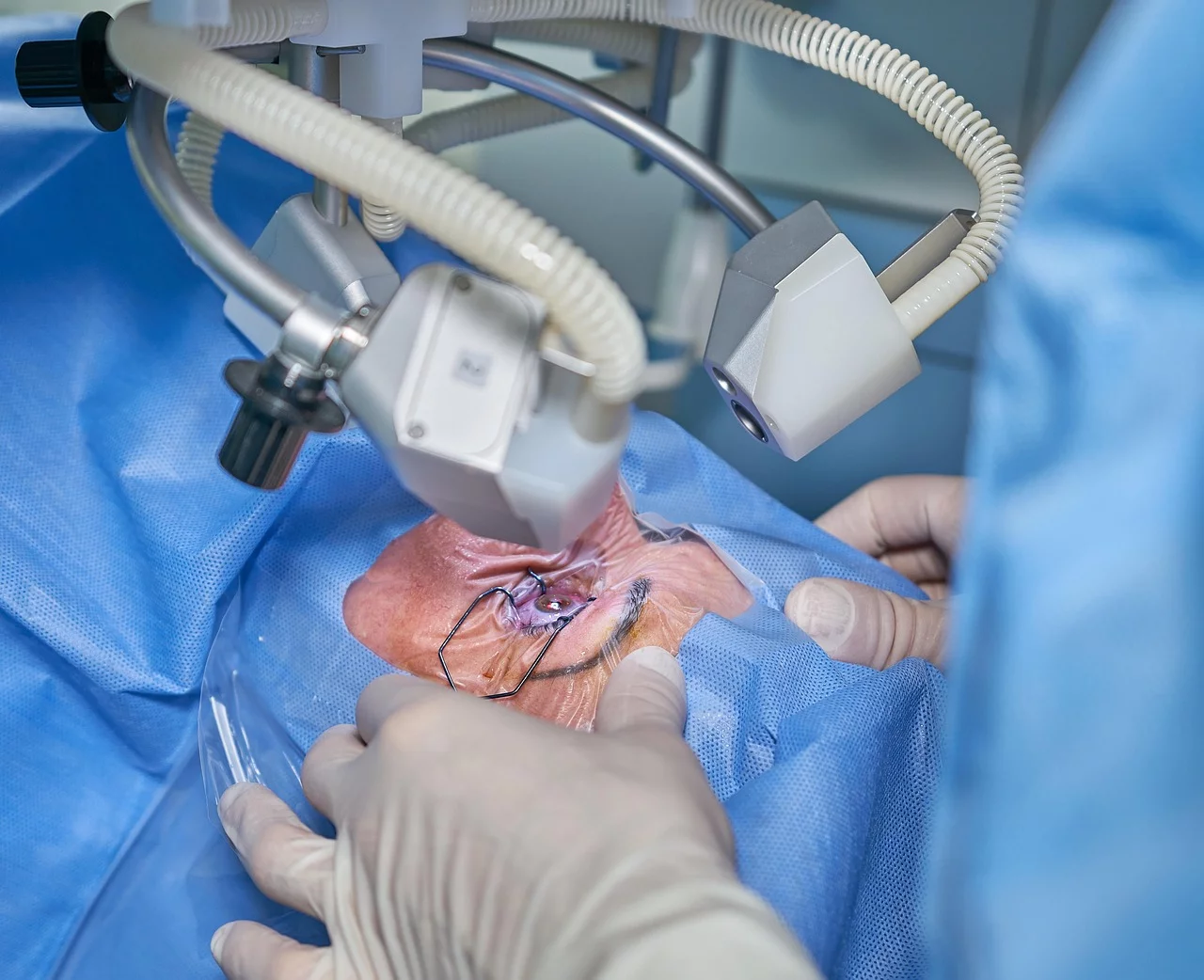

LASIK is a vision correction procedure that reduces dependence on glasses or contact lenses. Preparing properly before surgery can promote a smooth experience, from completing eye evaluations to following pre-procedure instructions from your eye care provider. Here is a closer look at what you need to know about preparing for your LASIK surgery:
Evaluating Your Eyes Before Surgery
Before you can schedule the actual procedure, your ophthalmologist will perform a thorough evaluation. This step is a key requirement, and it determines your clinical candidacy for the procedure. Here is what you can expect:
- Corneal Topography: This measurement creates a detailed map of your eye surface to evaluate its shape.
- Tear Film Analysis: Doctors measure your natural tear production to check for underlying dry eye syndrome.
- Wavefront Analysis: This scanning technology tracks how light travels through your eye to identify optical imperfections.
Safety remains the fundamental priority, and these clinical benchmarks dictate whether you should proceed with LASIK surgery.
Reviewing Medication and Lens Guidance
Contact lenses alter the natural shape of your cornea over time. Patients must stop wearing soft contact lenses at least 2 weeks before the baseline evaluation and keep them out until the LASIK surgery takes place. If you wear rigid gas-permeable lenses, you will need to remove them for a much longer period before your appointment. The cornea must return to its natural shape, or the pre-surgery measurements will be inaccurate when the doctor maps your eye.
Your provider will ask about your current medications. Even though some prescriptions are safe to continue, some specific medications interfere with the normal healing process. You must disclose all over-the-counter drugs and supplements, and the clinic staff will tell you which ones to pause.
Preparing for Surgery Day
Surgery day requires strict adherence to hygiene protocols. You must avoid wearing any makeup, perfumes, or lotions, and you should thoroughly cleanse your face with mild soap. Vapors from perfumes or hair products can interfere with laser energy delivery in the operating room. You should wear comfortable clothing to the clinic, and you must make sure that your garments do not shed lint while you sit in the sterile environment.
The clinical team will administer mild sedatives to keep you relaxed. While this medication keeps you calm, it also impairs your ability to drive a vehicle safely. You must arrange for a reliable adult to drive you home, and this person should stay with you during the initial hours of recovery. The clinic will not perform the LASIK procedure if you do not have a verified driver.
Planning Recovery
A structured recovery plan promotes healing after your LASIK procedure. Here are key components of recovery that you must pay attention to:
- Prescription Eye Drops: You will need to administer specific antibiotic and anti-inflammatory drops on a strict schedule.
- Protective Eye Shields: Patients wear clear plastic shields while sleeping to prevent accidental rubbing.
- Artificial Tears: Preservative-free lubricating drops can manage temporary dryness during the initial healing phase.
- Resting Environment: A dark and quiet room allows you to keep your eyes closed comfortably for several hours immediately following the procedure.
The clinic schedules a mandatory follow-up appointment for the next morning. The doctor examines the corneal flap placement, and they test your visual acuity to measure initial progress.
Schedule Your LASIK Consultation Today
Proper preparation has an impact on the surgical timeline. You must adhere to contact lens restrictions and organize your recovery environment. If you follow the specific guidelines outlined by your clinical team, you establish the optimal conditions for your procedure. Understanding these key requirements prepares you for the clinical evaluation, and it allows you to approach the process accurately. Contact a qualified ophthalmologist near you to schedule your LASIK consultation today.