
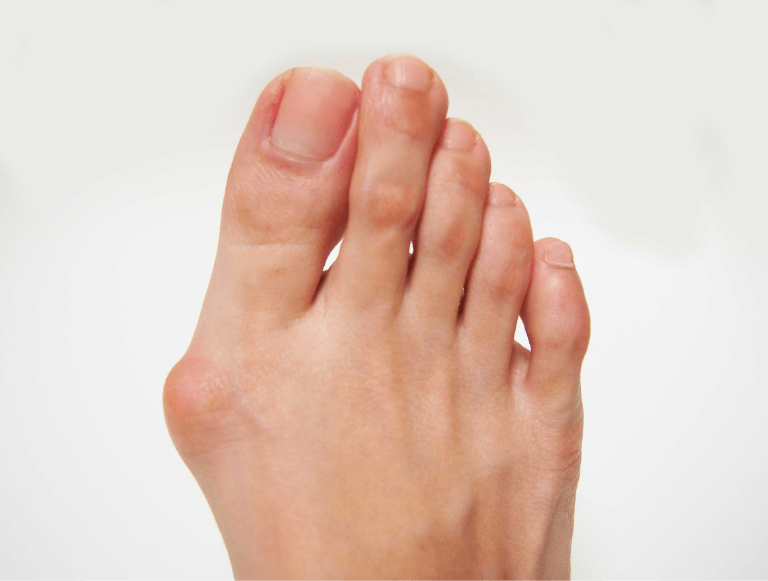

A bunion is a bony deformity that develops at the base of the big toe when the joint gradually shifts out of alignment. The condition often result in persistent discomfort and irritation that affect everyday footwear choices. Bunions may be associated with factors such as inherited foot structure, arthritis, or abnormal pressure on the joint over time. Here is what you need to know about bunion causes and treatment:
Common Causes
Several factors can contribute to the development of bunions, including inherited foot structure, age-related changes, and degenerative joint conditions. Arthritis are able to affect the alignment and stability of the toe joint, leading to gradual deformity over time. While bunions most commonly form at the base of the big toe, a similar condition called a bunionette may develop along the outside of the foot near the little toe.
- Inheriting a foot structure that increases bunion risk
- Developing age-related changes in joint alignment
- Experiencing arthritis that affects the toe joint function
- Undergoing a gradual shifting of the big toe position
- Developing deformities at the base of the little toe (bunionettes)
- Experiencing progressive changes in foot mechanics over time
Common Bunions Symptoms
Bunions can cause a variety of symptoms that affect both comfort and mobility. As the big toe gradually shifts out of alignment, patients are able to notice swelling, redness, and tenderness around the affected joint. A visible bump often develops along the side of the foot, and walking or standing for extended periods may become uncomfortable. Many individuals also experience stiffness or a reduced range of motion in the big toe.
As the deformity progresses, the toes often begin to crowd or overlap. Friction between adjacent toes can lead to the formation of corns, calluses, and areas of skin irritation. Some patients experience soreness that extends across the forefoot, particularly when wearing tight or narrow shoes. During a clinical evaluation, a podiatrist examines these symptoms to determine the severity of the condition and recommend appropriate treatment options.
Treatment Options
Treatment for bunions often begins with conservative measures designed to reduce discomfort and slow the progression of the deformity. Podiatrists often recommend shoes with a wider toe box to relieve pressure on the affected joint. Protective padding can also help reduce friction and irritation caused by footwear. These approaches are often used to improve comfort during daily activities.
Additional non-surgical treatments may be recommended based on the severity of symptoms. Custom orthotic devices help improve foot alignment and provide support during walking. Some patients benefit from night splints that help maintain proper toe positioning while sleeping. Physical therapy exercises may also be used to preserve joint mobility and reduce stiffness.
When conservative treatments no longer provide adequate relief, surgical correction is an option. Modern bunion procedures often use minimally invasive techniques that require smaller incisions and help support a more efficient recovery process. During these procedures, surgeons realign the affected toe joint to improve function and reduce pain. Advanced comfort measures, including nitrous oxide systems, may also be available to help patients remain comfortable during treatment.
Schedule a Consultation Today
Bunions can gradually worsen over time and is able to begin to affect mobility, comfort, and daily activities if left untreated. Early evaluation allows a podiatrist to assess the condition and recommend appropriate treatment options based on its severity. Maintaining foot health helps preserve balance, mobility, and an active lifestyle. Contact a podiatry office today to schedule a comprehensive evaluation and discuss your treatment options.