
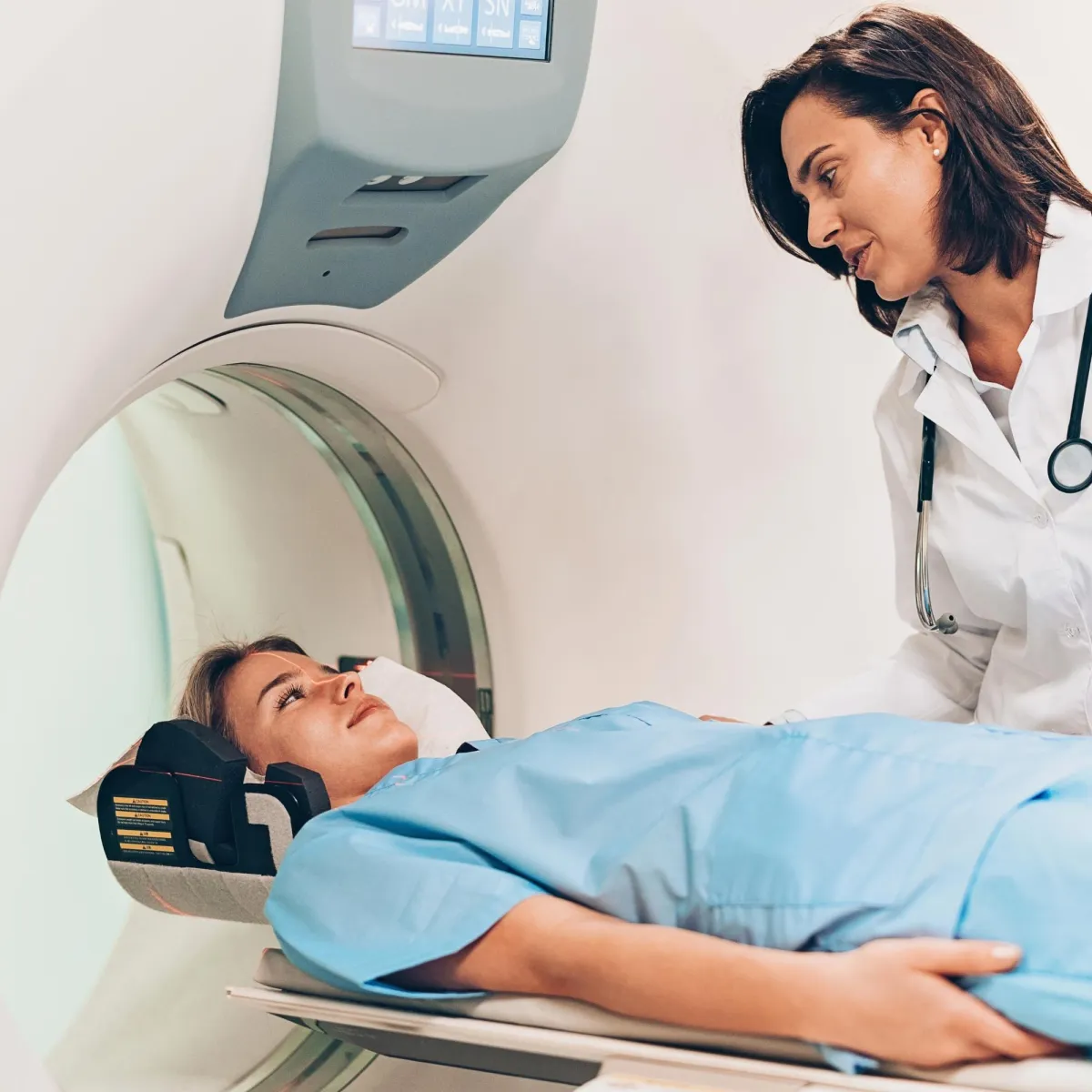

A gynecologist is a doctor who focuses on the health of the female reproductive system, including common issues like uterine fibroids. Uterine fibroids are growths that form in or around the uterus, and a gynecologist uses exams and imaging to find them. When a patient reports heavy bleeding, pelvic pressure, or pain that points to fibroids, a gynecologist confirms the diagnosis and reviews the treatment paths that fit the situation. The treatment plan often depends on the health of the woman and the severity of the fibroid.
Birth Control and Medications
Medication is often the first path a gynecologist suggests for smaller fibroids. Hormonal birth control pills help manage heavy menstrual bleeding, and they also reduce cramping for many patients. Since hormones can influence how the body responds to these growths, a gynecologist can explain how the hormones may help.
Other drugs target the hormones that influence fibroid growth. Some medications shrink fibroids, while others mainly control the bleeding tied to them. Because these effects last only as long as the treatment continues, a gynecologist tracks the response across several months. Any experienced side effects may be discussed during each follow-up.
In-Office Treatments
Certain procedures for fibroids can take place in the gynecologist’s office without a long hospital stay, allowing for quicker treatment and less recovery time. A uterine artery embolization blocks the blood supply to a fibroid, and this approach causes the growth to shrink over time. A gynecologist often describes the recovery timeline before the appointment is set.
Radiofrequency ablation, another in-office procedure, uses targeted energy to break down fibroid tissue. The treatment is performed under local or general sedation, depending on the case. Patients return home the same day in many situations, and a gynecologist outlines the aftercare steps that follow. Recovery often takes a few days.
A third in-office option is endometrial ablation, which treats the lining of the uterus to limit bleeding. This method suits people with heavy periods linked to fibroids near the lining. Although the procedure is brief, a gynecologist often reviews each step so the patient knows what to expect. Questions are welcome during the consultation.
Surgical Interventions
Surgery becomes an option when fibroids are large or when other treatments do not address the symptoms. A myomectomy removes the fibroids while leaving the uterus in place, and this choice appeals to patients who want to keep the option of pregnancy. Since this removes only the fibroid, many times, individuals have a good chance of pregnancy even after surgery.
A hysterectomy is a more extreme option, where a gynecologist removes the uterus as a permanent solution for fibroids. The operation ends future fibroid growth, though it also ends the ability to carry a pregnancy. Because the decision carries lasting effects, a gynecologist often walks through the risks, the recovery, and the timeline before choosing this method.
Visit a Gynecologist
Uterine fibroids can be treated through a range of different methods depending on the size, location, and symptoms. When a gynecologist performs an evaluation, they take these factors into account to choose the right treatment. Each case is different, and many cases could be treated through several methods. If you think you may have a uterine fibroid, contact a gynecologist to schedule an evaluation.