
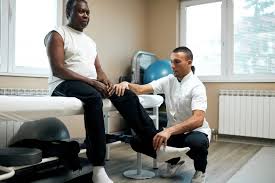

Orthopedics focuses on bones, joints, muscles, ligaments, and tendons. It treats injuries and long-term conditions, and rehabilitation helps people return to daily movement. Since healing follows a set process, rehabilitation goals give structure to treatment and track progress. This is what you should know about rehabilitation goals in orthopedics:
Managing Pain
Pain management typically starts early, and the care team uses clear targets. You may need help with walking, sleeping, or basic tasks. While pain changes during recovery, a plan helps measure what triggers symptoms and what reduces them.
A clinician may track pain during rest, movement, and exercise. These notes guide changes in activity, and they help avoid sudden increases in strain. When pain rises after an orthopedics session, the team can adjust the pace or the type of exercise.
Typical pain management tools include:
- Ice or heat
- Movement
- Bracing or support
- Medication review
Being Realistic
Realistic goals help patients and clinicians work from the same expectations. Some people want pain gone in days, but tissue healing takes time. While motivation helps, timelines depend on the injury, age, health status, and daily demands. A realistic plan uses short-term and long-term goals.
Addressing Swelling and Inflammation
While managing pain is helpful, reducing swelling and inflammation is a key step toward long-term relief. This phase of your recovery focuses on calming irritated tissues and improving your comfort over time. When your pain is driven by factors like inflammation, stiffness, or improper movement, your treatment will target those issues directly.
Your therapist will guide you through exercises that improve joint motion, soft tissue mobility, and posture. You will also receive a home exercise program with short, simple tasks to complete each day. Making small corrections to your form is wise during this phase, as repeated strain can slow down your progress.
Your short-term goals may include:
- Feeling less pain when you walk
- Waking up less often from pain at night
- Finding it easier to go up and down stairs
These goals are specific so that you and your therapist can track your progress clearly. Keep in mind that recovery is not a straight line, and you might see improvement in one area before another.
Regaining Strength
Strength returns in steps, and weak muscles often change how a joint moves. A therapist may test balance, range of motion, and force output. When one area stays weak, nearby muscles may take on too much work.
Exercise typically starts with controlled movements. You build load slowly, and the plan may shift each week. While strength training sounds simple, the details matter after surgery or injury.
A rehab program may include bodyweight drills, resistance bands, or machine work. Form comes first. Since poor mechanics place stress on healing tissue, therapists typically repeat the same movement until it looks stable and consistent.
Find Orthopedics Near You
Rehabilitation goals in orthopedics guide pain control, movement, strength, and day-to-day function. They shape treatment decisions, and they give you a way to measure change over time. If you need evaluation or follow-up care, contact a local orthopedic provider and ask about a rehabilitation plan that fits your diagnosis.