
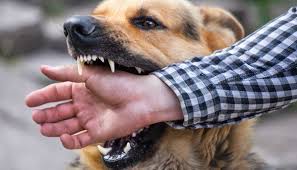

Animal bites happen in many settings, from a backyard encounter with a stray dog to a scratch from a startled cat. Bites from wild animals usually occur while hiking or camping. A bite can break the skin, and the wound may carry bacteria from the animal’s mouth. Although most bites cause minor harm, some may lead to serious infection or transmit diseases like rabies. Knowing the steps that follow a bite helps both people and pets recover with fewer complications.
Identify the Animal
The animal involved in animal bites gives clues about the level of risk. Domestic pets with vaccination records carry a lower risk of rabies, but wild animals such as bats, raccoons, and foxes raise greater concern because their history is unknown. When the animal can be observed, details like its species, behavior, and location matter for later medical decisions.
Capturing this information quickly influences the treatment that follows. A pet owner might note whether the biting animal seemed sick or aggressive, and that detail can guide a doctor or veterinarian. If the animal is a neighbor’s pet, contact details and proof of rabies shots help confirm the risk, though a stray or wild animal leaves more questions open.
Visit a Doctor
Medical care after a bite reduces the chance of lasting harm. A deep puncture or a wound near the face, hands, or joints needs prompt attention, and a doctor can clean the area and prescribe antibiotics. Because some bites require a tetanus booster or rabies treatment, a visit confirms which steps fit the situation. Pets need the same level of care, so a veterinarian examines bitten animals for hidden damage. If there is a broken-off tooth or excessive bleeding, a doctor removes the debris and stitches the wound closed.
Watch for Infection
After cleaning, the wound needs regular checks over the coming days. Redness, swelling, warmth, and pus signal that a bacterial infection may be spreading, and these signs call for a return visit to the clinic. A bite that throbs more than a day after the injury often points to trouble beneath the surface.
Pets usually show infection through their behavior as well as their wounds. A cat that hides, refuses food, or licks one spot repeatedly may be reacting to pain from a hidden bite. Because fur conceals small punctures, an owner usually spots the problem only after swelling appears, and a quick check shortens the delay before treatment.
A fever is one of the clearest warning signs of infection in both people and animals. The body raises its temperature to fight infection, and that response can appear within hours or stretch across several days. When a fever joins other symptoms, a return to medical care becomes the next step.
Avoid Animal Bites
You can lower the risk of animal bites by not provoking or trying to touch wild animals. When animals are protecting their young, they’re usually more aggressive. If you see an animal in any of these situations, it’s best to avoid them. In the case of an animal bite, visit an emergency room or emergency vet clinic for quick medical intervention.