
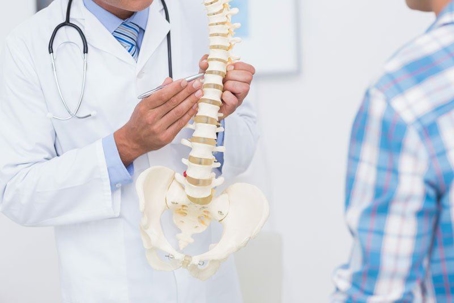

Orthopedics is the branch of medicine that treats the bones, joints, muscles, ligaments, and tendons. It covers injuries and long-term conditions, and it also addresses changes linked to age or overuse. Since the musculoskeletal system supports movement, orthopedic care plays a direct role in daily function. Here is more information on the field of orthopedics and what it encompasses:
Medical Specialty
Orthopedics focuses on the musculoskeletal system. Doctors in this field diagnose and treat many problems, and they manage both sudden injuries and chronic disorders. When pain, stiffness, or weakness affects movement, an orthopedic evaluation helps identify the source.
Orthopedic specialists treat people of many ages, and their work covers many body parts. Major areas include the spine, hip, knee, shoulder, hand, foot, and ankle. Since each region has different demands, many doctors focus on one area. A patient may see an orthopedic doctor after a fracture, and another may need care for arthritis.
Advanced Diagnostics
Accurate diagnosis guides the next step in care. Orthopedic doctors use physical exams and patient history, and they often add imaging or lab tests. When symptoms overlap, this process helps narrow the cause. Standard diagnostic tools include:
- X-rays
- MRI scans
- CT scans
- Ultrasound
X-rays show bone alignment and fractures, and MRI scans show soft tissues in more detail. Ultrasound may help assess tendons. Since each test serves a different purpose, doctors select imaging based on the suspected problem.
Non-surgical Treatments
Many orthopedic problems do not require surgery. Doctors typically start with less invasive options, and they adjust the plan as symptoms change. When pain limits motion, these treatments aim to address the cause and support function. Non-surgical care may include:
- Physical therapy
- Braces or splints
- Anti-inflammation medicine
- Joint injections
Physical therapy builds strength, and it also improves the range of motion. Some patients use braces. As inflammation drives pain, doctors may prescribe medication or use targeted injections.
Activity changes also play a role, and weight management may reduce stress on joints. Rest is sometimes part of the plan. When symptoms continue after these steps, the doctor may discuss other options.
Surgical Procedures
Surgery addresses structural problems that non-surgical care does not resolve. Orthopedic surgeons perform many procedures, and they choose techniques based on the joint, tissue, and diagnosis. When possible, they may use smaller incisions.
Standard procedures include fracture repair, tendon repair, arthroscopy, and joint replacement. Arthroscopy uses small tools. Since severe damage may limit motion or stability, some patients need reconstruction or replacement surgery.
Recovery differs by procedure, and follow-up care typically includes therapy and home exercises. Surgeons track healing during return visits. When you understand the plan before surgery, it is easier to prepare for recovery.
Find Orthopedics Near You
Orthopedics covers diagnosis, treatment, and recovery for many musculoskeletal conditions. It includes non-surgical care and surgery, and it applies to injuries, wear-related changes, and chronic joint disease. Since prompt evaluation helps define the problem, early assessment helps shape the next step. If you need care for joint pain, a fracture, or limited movement, contact a local orthopedic provider to schedule an evaluation.