
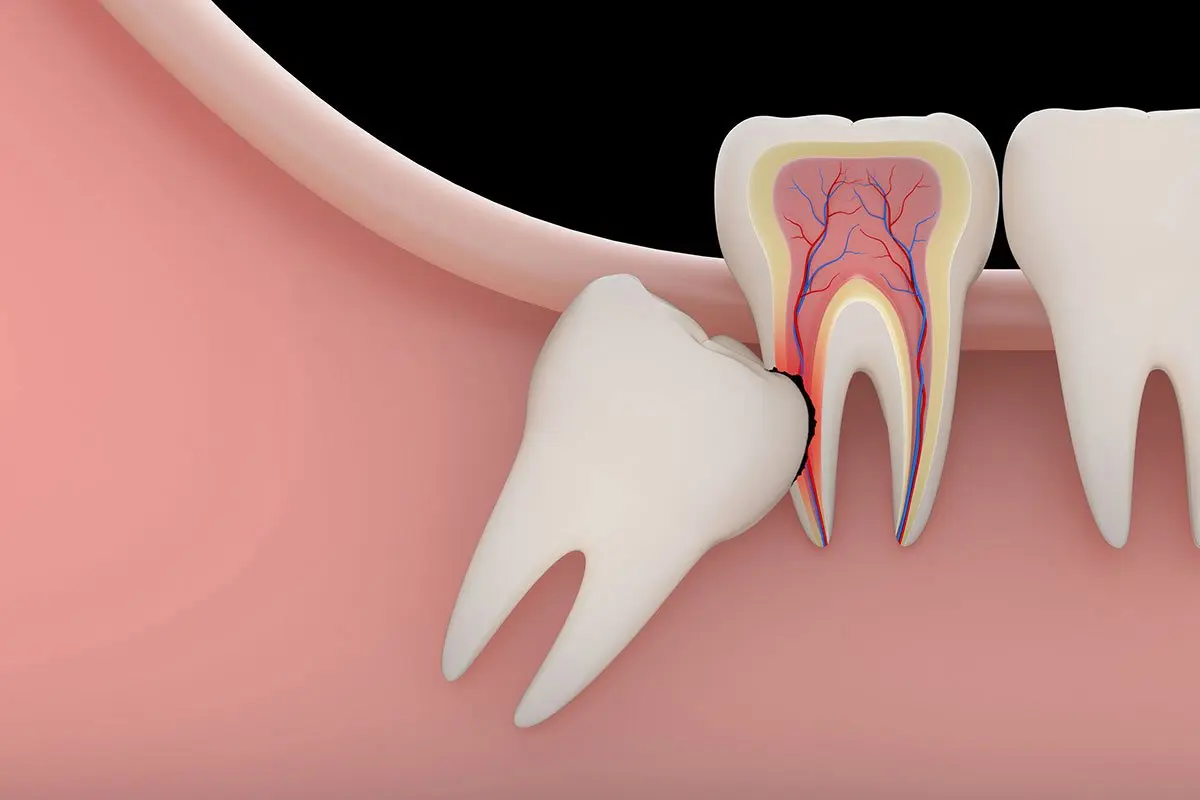

Wisdom teeth removal is a commonly performed oral surgery procedure. Many people have these molars extracted during their late teens or early twenties, yet questions may remain about what actually happens when removal is delayed or avoided altogether. Understanding the role these teeth play, including the circumstances that make extraction necessary, can help patients make more informed decisions about their dental care.
What Are Wisdom Teeth?
Wisdom teeth are the third set of molars located at the very back of the mouth. They typically emerge between the ages of 17 and 25. Scientists classify these teeth as vestigial structures; these are remnants of an earlier stage of human evolution that are currently no longer necessary. Most people develop up to four of these teeth, one in each corner of the mouth, but some individuals develop fewer or none at all. Not every wisdom tooth causes problems, but those that do can affect the surrounding teeth, gums, and bone over time.
Why Is Removal Necessary?
Removal is not universally required. Wisdom teeth that emerge fully, aligning properly with the surrounding teeth, may not require extraction. The decision depends on each patient’s specific anatomy and dental health, but extraction is typically recommended in several situations:
- Crowding: Wisdom teeth pushing against adjacent molars may shift existing teeth out of alignment.
- Decay: Their position at the back of the mouth makes these teeth particularly difficult to clean, which increases vulnerability to cavities.
- Gum Disease: Partially erupted wisdom teeth can contribute to inflammation and periodontal disease in the surrounding tissue.
- Cyst Formation: Fluid-filled sacs may develop around impacted teeth, potentially affecting the jawbone and neighboring teeth.
- Pain: Persistent discomfort at the back of the mouth is often a signal that these teeth are affecting surrounding structures.
Dentists also recommend preventive extraction in many cases, even before symptoms appear. Removing teeth while they are still developing tends to result in a more straightforward procedure.
What Should You Expect?
A wisdom tooth extraction begins with a consultation. During this visit, a dentist or oral surgeon reviews the patient’s dental X-rays to assess the teeth’s position and development. They can discuss anesthesia options at this time. For fully visible wisdom teeth, a simple extraction may suffice. Impacted teeth require a surgical approach. The surgeon makes an incision in the gum tissue to access the tooth, removes it, cleans the site, and closes the incision with stitches. The extraction procedure itself typically takes an hour or less, and patients return home the same day.
Recovery generally spans one to two weeks, but most people resume normal daily activities within a few days. Some degree of swelling and discomfort following surgery is expected. Many patients experience peak discomfort around the third or fourth day, after which symptoms typically begin to subside. Postoperative care instructions typically include:
- Maintaining a soft food diet for the first several days
- Avoiding straws, which can dislodge the blood clots that form at extraction sites
- Refraining from strenuous physical activity for around a week
- Keeping the surgical sites clean using alcohol-free antibacterial mouthwash
- Taking prescribed medications as directed
Complications such as dry socket or infection are uncommon but should be reported to the treating dentist promptly.
Meet With a Dentist
Scheduling a consultation provides clarity on whether removal makes sense, or it allows a dentist to wait and monitor further. Early evaluation is particularly valuable for younger patients, as wisdom teeth are generally easier to extract before their roots have fully developed. Patients who have experienced pain, swelling, or discomfort near the back of the mouth are encouraged to seek an evaluation promptly.