
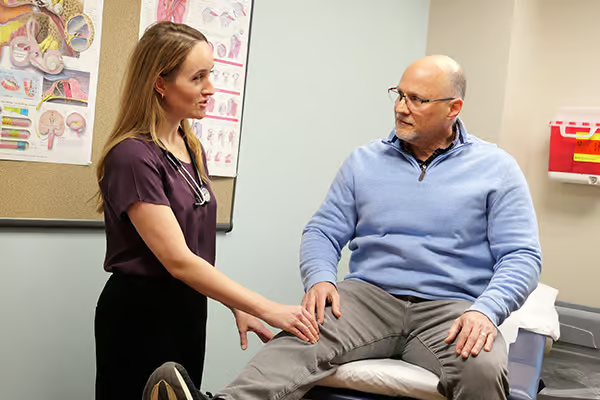

An internal medicine practice is a medical office where doctors focus on adult health. These doctors are called internists, and they have special training in how the body works and how diseases develop. Internists are primary care providers, which means they are often the first doctor you see for most health needs. They get to know your health history, answer your questions, and help you stay well over time. When you have an internal medicine practice for primary care, you have one main place to turn for ongoing support. Here’s information on primary care and what it involves:
Preventive Services and Screenings
Primary care places a strong focus on prevention; this means catching health issues early or stopping them before they start. Regular checkups give your doctor a chance to review how you are doing. During these visits, your doctor will check your blood pressure, weight, and overall health. These visits also give you time to talk about any changes you have noticed in your body.
Using Screening Tests
Preventive screening tests look for signs of common health conditions. Your doctor may suggest tests based on your age, family history, and lifestyle. Talking with your doctor helps you understand which tests are appropriate for you, such as blood tests and blood pressure checks.
Promoting Health
Internists play a key role in preventative care by advocating for vaccinations and guiding you toward healthier lifestyle choices. Vaccinations are a fundamental tool in preventing serious diseases such as influenza, pneumonia, and hepatitis. Internists work closely to verify that you are up to date on recommended immunizations, which are invaluable for individual and community health. Beyond vaccinations, internists provide tailored advice on lifestyle adjustments, including diet, exercise, stress management, and sleep hygiene. By addressing specific risk factors and encouraging sustainable habits, they empower you to take proactive steps in maintaining long-term well-being.
Routine Healthcare Options
Primary care covers many everyday health services, helping you address common needs without having to search for a new doctor. Some routine primary healthcare options include:
- Annual Physical Exams
- Vaccinations and Immunizations
- Minor Illness Treatment (Like Colds or the Flu)
- Basic Lab Work and Test Orders
- Advice on Diet, Exercise, and Healthy Habits
- Referrals to Specialists When Needed
Having one provider for these tasks keeps your care organized. Your doctor can track your health over the years, and this helps them notice patterns and changes. This steady relationship matters. When your doctor knows your full health picture, they can give advice that fits your situation. You do not have to start from scratch with each visit, which saves time and helps you receive comprehensive care.
Acute and Chronic Condition Management
Primary care doctors handle short-term and long-term health problems. Acute conditions come on quickly, such as a sore throat, an ear infection, or a fever. Your primary care provider can examine you and guide you on next steps. Chronic conditions last a long time and need ongoing attention; these can include high blood pressure, diabetes, or asthma. Managing a chronic condition often means regular visits, check-ins, and a clear plan you can follow at home. Your internist works with you to track your condition over time and adjusts your care plan as your needs change.
Establish Your Primary Care Today
Having a primary doctor gives you a reliable place to turn for your health needs. An internal medicine practice offers preventive care, routine services, and support for new and ongoing conditions. This range of care helps you take charge of your health and make informed choices with a specialist familiar with your needs. If you do not have a primary care doctor yet, now is a good time to find one. Reach out to an internal medicine practice near you and schedule a first visit.