
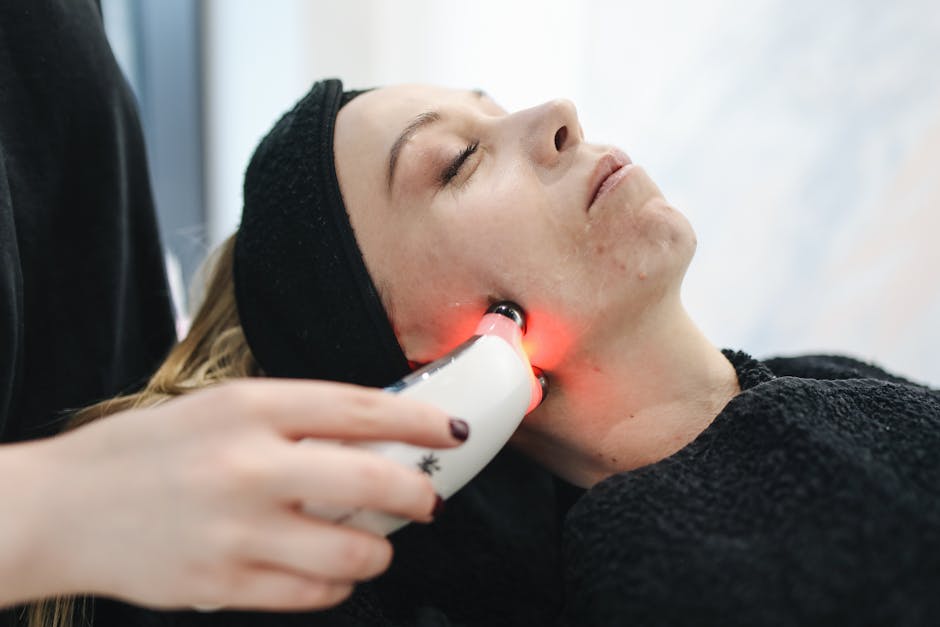

Skin care begins with a dermatologist, and that specialist guides diagnosis and treatment. A dermatologist studies skin, hair, and nails because these tissues react to disease, injury, and light exposure. When a skin condition does not respond to creams alone, a dermatologist may add light therapy to the treatment plan. This is what light therapy is, how it works, and how dermatologists use it for selected skin disorders:
What Is Light Therapy?
Light therapy uses measured doses of ultraviolet or visible light, and doctors apply it under controlled settings. It treats skin with specific wavelengths. As each wavelength reaches the skin in a different way, dermatologists match the light type to the condition. Typical forms include narrowband UVB, broadband UVB, UVA, and blue light.
A treatment session is typically brief, but the schedule may repeat over several weeks. You stand in a light unit or receive focused light on a small area. Since dose levels affect response and side effects, the dermatologist adjusts exposure based on your skin type and diagnosis. In many clinics, staff also track redness, dryness, and itching after each visit.
How Does It Work?
Light reaches different skin layers, and each layer contains cells that react to energy. This reaction changes cell activity. When doctors target inflammation or excess cell growth, they use wavelengths that alter those processes without cutting the skin. The result is a medical response, not a cosmetic one.
As psoriasis involves rapid skin cell turnover, UVB slows that activity and reduces scaling. UVA is often paired with a light-sensitizing medication in some treatment plans, and this approach reaches deeper skin layers. Doctors can use blue light for acne because it affects bacteria linked to breakouts. The exact choice depends on the condition, skin tone, and treatment history.
Key factors in treatment include:
- Wavelength
- Dose
- Session frequency
Since too much exposure raises risk, dermatologists begin with a measured plan and modify it over time. Progress takes monitoring. If your skin becomes too red or dry, the doctor may lower the dose or pause sessions. That step helps manage side effects while treatment continues.
How Does It Treat Conditions?
Several skin diseases respond to light therapy, and doctors select it for medical reasons rather than trend-based appeal. Psoriasis is a major condition. When plaques cover large areas, office-based UVB may reduce thickness and scale. Eczema also responds in some cases because light may reduce inflammation and itching.
Vitiligo treatment may include narrowband UVB, but response varies by body area and disease duration. Since hands and feet typically respond less than the face or trunk, dermatologists set realistic expectations before treatment begins. Lymphoma also uses light therapy in selected stages under close supervision.
Doctors also weigh limits and risks, and that review shapes the treatment plan. Light therapy does not fit every patient. People with certain autoimmune diseases, a history of skin cancer, or strong photosensitivity may need other options because light exposure may cause harm.
A dermatologist may review:
- Diagnosis
- Medicines
- Skin cancer history
Visit a Dermatologist Today
Light therapy uses targeted wavelengths, and dermatologists apply it to manage selected skin conditions. It works by changing cell behavior. Since each diagnosis responds in a different way, proper evaluation matters before treatment starts. If you have psoriasis, eczema, acne, or pigment changes, schedule a visit with a dermatologist today to discuss whether light therapy fits your care plan.