
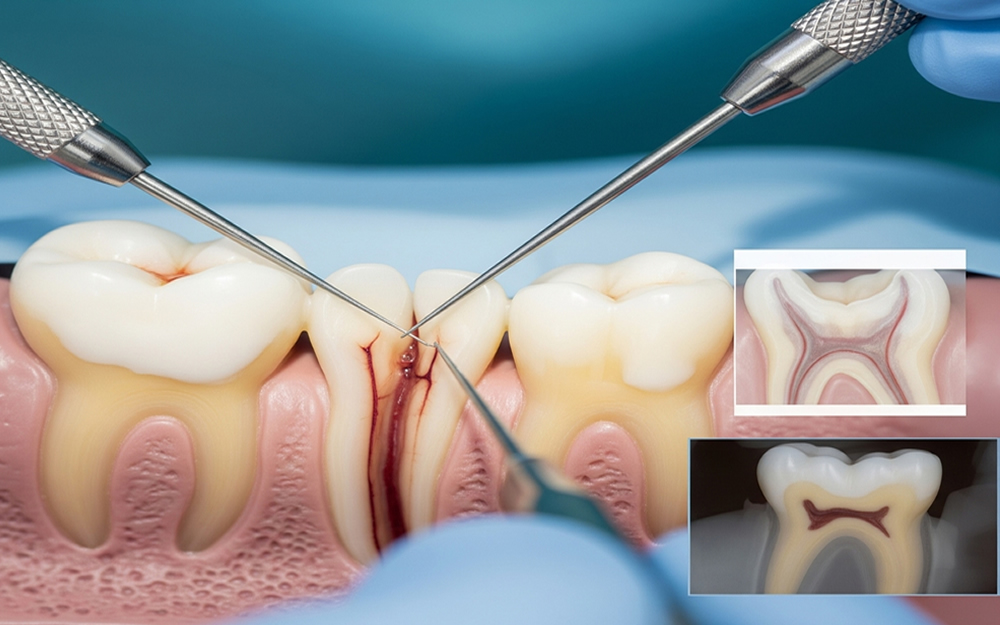

A root canal is a dental procedure used to treat the inside of a tooth when the pulp becomes inflamed, infected, or damaged. During the visit, the dentist removes the affected tissue and seals the tooth. Recovery begins after the procedure, and it continues as the tooth and surrounding tissues settle. Here is some information about the recovery process after a root canal:
Diet Adjustments
Making thoughtful choices about what you eat promotes healing and minimizes discomfort after a root canal. Wait until the numbness wears off before eating; biting while your mouth is numb may cause injuries to the cheek, tongue, or lip. Choose soft foods that require little chewing, such as yogurt, scrambled eggs, and soup. These foods place less pressure on the treated tooth and nearby gums.
Avoid chewing on the treated side until your dentist says the tooth is ready for normal use. If a temporary filling or temporary crown was placed, hard foods may loosen or damage it. Skip nuts, crusty bread, and sticky candy during the early recovery period. Temperature sensitivity can occur for a short time. If hot or cold foods bother the area, use lukewarm options until sensitivity decreases. Drink water often, and avoid using straws if your dentist gave that instruction.
Oral Care Procedures
Maintaining proper oral hygiene is key to supporting the long-term success of your dental treatment. Hygiene practices include:
- Brushing your teeth: Use gentle pressure near the treated area, and a soft-bristled toothbrush helps minimize irritation. Move slowly around the tooth, especially if the gum tissue feels tender.
- Flossing: Slide the floss gently between the teeth rather than snapping it into the gums. If a temporary restoration is present, pull the floss out from the side instead of lifting it straight up. This may help avoid shifting the temporary material.
- Rinsing: If your dentist recommends a saltwater rinse, mix about half a teaspoon of salt into a cup of warm water. Swish gently, then spit. Do not rinse forcefully, as this may irritate sore tissue.
- Taking medication: Take this only as directed. Read labels closely, and do not exceed the listed dose. If you were given antibiotics, follow the directions from your dental office. Contact the office if you notice a rash, an upset stomach, or any other reaction that concerns you.
Follow-Up Appointments
A root canal often requires more than one step, and the tooth usually needs a filling or crown after the inner portion has been treated. This restoration helps protect the tooth structure during normal chewing. At a follow-up visit, the dentist should check healing, review symptoms, or place the final restoration. Each case is different, so appointment timing depends on the treatment plan. If a temporary filling chips or falls out, call the office. Do not wait for the next visit if the tooth feels exposed or sharp.
Schedule a Root Canal
Recovery after a root canal usually involves careful eating, gentle home care, and planned follow-up visits. Your dentist’s instructions are the main guide for your tooth and treatment plan. Following these guidelines supports healing, and it helps prevent future complications. When the treated area stabilizes, patients typically resume regular oral care without difficulty. Contact a dentist today to learn more about root canal treatment and recovery.