
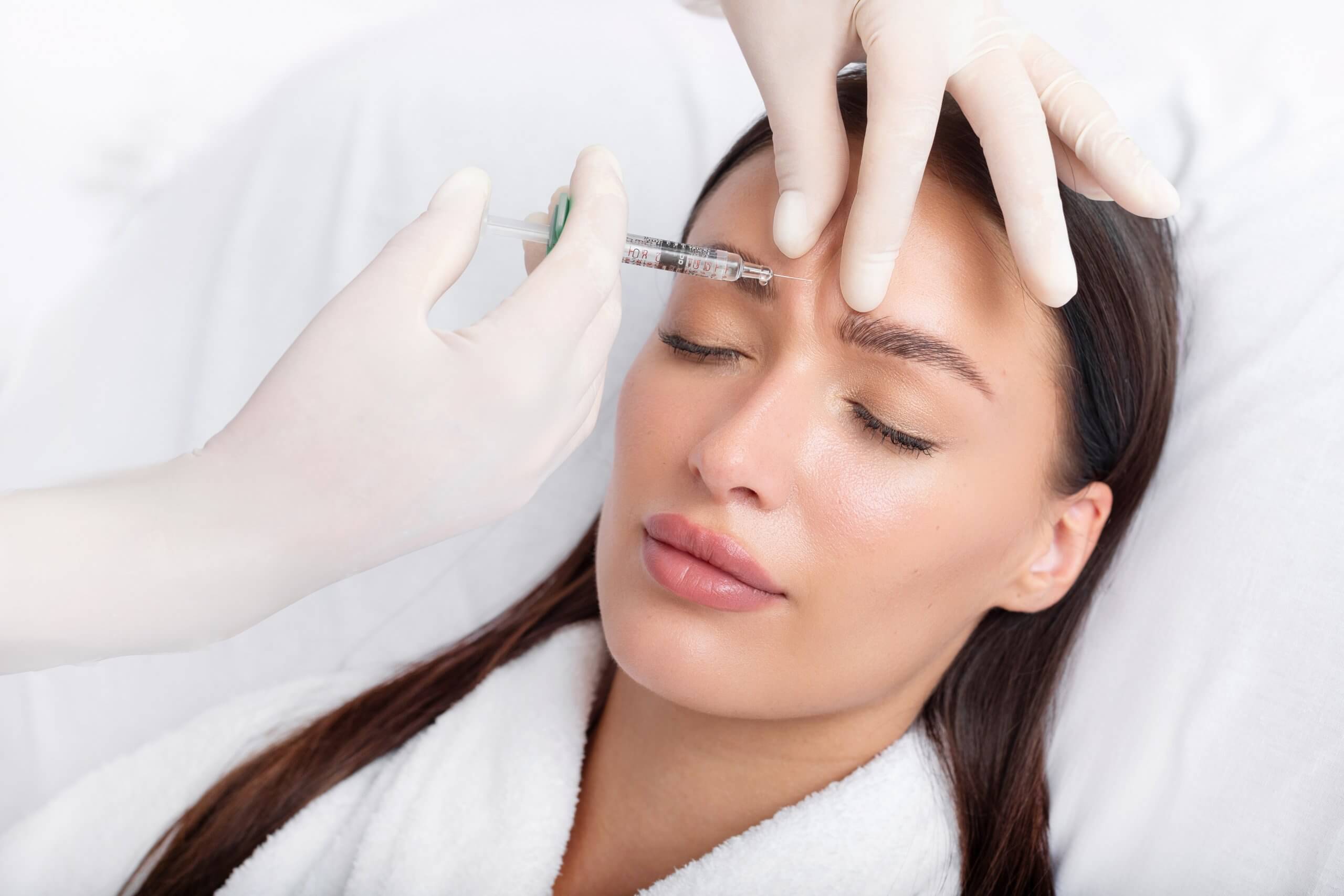

Botox is a purified injectable product made from botulinum toxin type A. In small, controlled doses, it is used by medical providers for cosmetic and medical purposes. It works by limiting signals between nerves and certain muscles, which can reduce muscle activity in targeted areas. How Botox injections are utilized depends on an individual’s goals, health history, and their provider’s assessment. Here’s information on Botox and how it is used in various treatments:
Cosmetic Uses
One of the most common uses of Botox is cosmetic treatment of facial lines caused by repeated muscle movement. These lines appear on the forehead, between the eyebrows, and around the outer corners of the eyes. When specific muscles contract less, the skin above them can appear smoother for a period of time, effectively reducing the appearance of fine lines.
Providers often use Botox to address dynamic wrinkles rather than skin texture, sun damage, or volume loss. Frown lines caused by repeated facial expression may respond differently than lines caused by aging skin alone, so treatment planning will reflect that difference. A personal evaluation helps identify which concerns may be appropriate for Botox and which require another approach.
Cosmetic treatment also involves decisions about injectable dose, placement, and timing. Small changes in injection points can affect results, and treatment goals vary from subtle softening to more visible reduction in movement. Some people prefer a conservative plan, while others ask for a stronger effect. A qualified provider can explain these options clearly and discuss likely trade-offs before treatment.
Medical Uses
Botox is also used in several medical settings; depending on the case, it may be used for conditions involving muscle activity, gland function, or nerve-related symptoms. These uses differ from cosmetic treatment in both purpose and technique. The dose, injection pattern, and follow-up schedule vary significantly by condition, and the treatment area may differ from the face. Some common medical uses for this injectable include chronic migraines and excessive sweating disorders.
Different muscle spasticity conditions may also benefit from Botox treatments, depending on personal needs. A plan focused on sweating concerns differs from one for muscle stiffness, and each approach requires attention to anatomy, symptoms, and treatment goals. Patients should also understand that treatment responses can vary or that repeat treatment may be needed.
Personalized Care Plans
Botox treatments are individualized to meet various cosmetic and medical needs. A provider typically reviews a patient’s medical history, current medications, and prior procedures before determining candidacy. This process helps determine whether injectables are appropriate and how they should be used. Personalized care plans guide an individual’s treatment process, focusing on their current goals and health history. During a consultation, patients may benefit from asking questions like:
- What Is the Goal of Treatment?
- What Areas Will Be Injected?
- What Short-term Effects May Occur?
- When Should Final Results Set In?
This type of discussion supports more informed choices. It also helps align the treatment plan with the patient’s needs, comfort level, and overall health goals.
Benefit From Botox Today
Botox has both cosmetic and medical applications, but its role depends on your individual situation. It can address facial movement lines or some medical concerns. To learn about this treatment and how it may benefit you, contact a board-certified physician for a consultation. They can assess your health and determine what treatments are appropriate for your needs.