
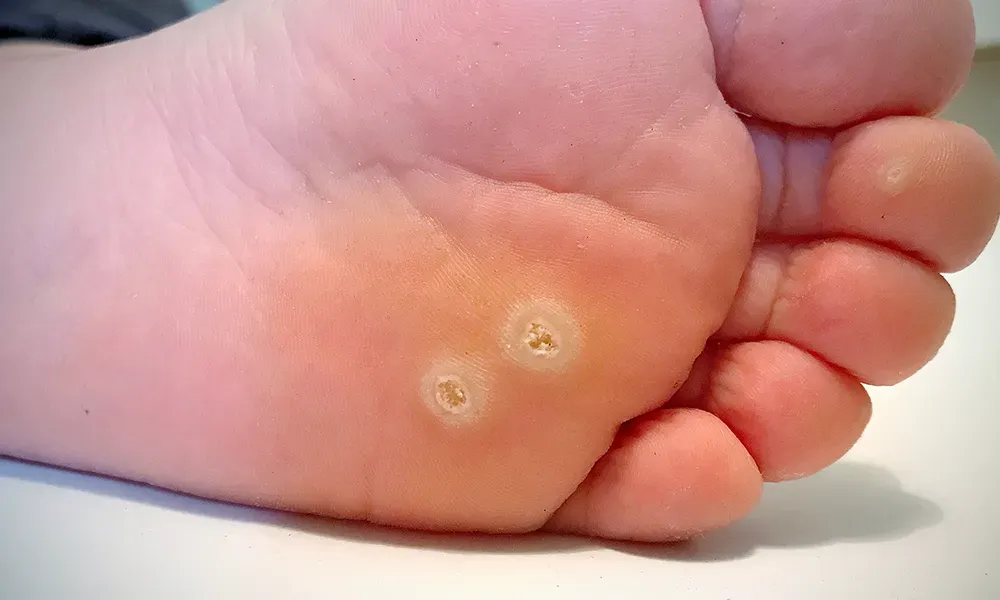

Warts are small, rough growths caused by the human papillomavirus (HPV). They appear on the skin when the virus enters through a cut or break. Different strains of HPV produce different types of warts, and they show up on hands, feet, and other areas of the body. They are contagious, and they spread through direct contact with an infected surface or person. Here is more information on the impact of warts:
Causing Tenderness
Tenderness around a wart develops when pressure is applied to the area. Typical wart locations that cause tenderness include:
- Fingertips and knuckles
- Soles of the feet
- Around the toenails
The skin surrounding the wart becomes sensitive, and even light touch triggers discomfort. Since warts grow beneath layers of skin, the nerve endings nearby react to the added pressure.
Plantar warts, which grow on the bottom of the foot, create the most noticeable tenderness. Walking puts direct pressure on them, and that pressure intensifies the soreness. Daily activities such as standing or exercising can become uncomfortable when a plantar wart is present.
A wart on the finger disrupts grip and fine motor tasks. Since the fingertip is used constantly, the tenderness interferes with typing, writing, and handling objects. Every day, friction keeps the area agitated and raw-feeling.
Creating Thickened Bumps
Warts produce thickened bumps because the virus stimulates rapid skin cell growth. The skin layers pile up, and a firm, rough texture forms on the surface. This texture feels coarse and looks visibly different from the surrounding skin. The bump grows outward in most cases, but plantar warts grow inward due to body weight.
Leading to Pain
Sharp or aching pain from a wart occurs most often in high-pressure areas. The feet take the most impact, and warts there produce a sensation similar to stepping on a pebble. Since the pain is consistent, it affects how a person walks and moves throughout the day.
Pain from warts on the hands appears during gripping or repetitive motion. Typing, lifting, and writing all put stress on wart-affected fingers, and that stress produces a dull, persistent ache. Since the bump sits above or within the skin, movement keeps it irritated.
Causing Small Black Dots
Small black dots inside a wart are clotted blood vessels. The virus triggers new blood vessel growth to feed the wart, and those vessels sometimes clot and darken. These dots are sometimes called “wart seeds,” though they are not seeds at all.
The dots appear most clearly on plantar warts and common warts. They sit just beneath the surface, and they become more visible as the outer skin wears down. Warts with multiple black dots have been present longer and have developed a more complex structure. Some warts show only one or two dots, while others display a scattered pattern across the surface.
Signs that a wart contains black dots:
- Rough, grainy surface with dark specks
- Small dots that do not wipe away
- Pinpoint spots arranged in a cluster
Get Treated for Warts
Warts do not disappear quickly on their own, and they spread to other areas without treatment. The longer a wart stays on the skin, the more established it becomes. Seeking professional treatment stops the spread and addresses the physical discomfort directly. A dermatologist or podiatrist provides targeted treatments based on wart type and location. Schedule an appointment today and take a direct step toward clearer, more comfortable skin.