
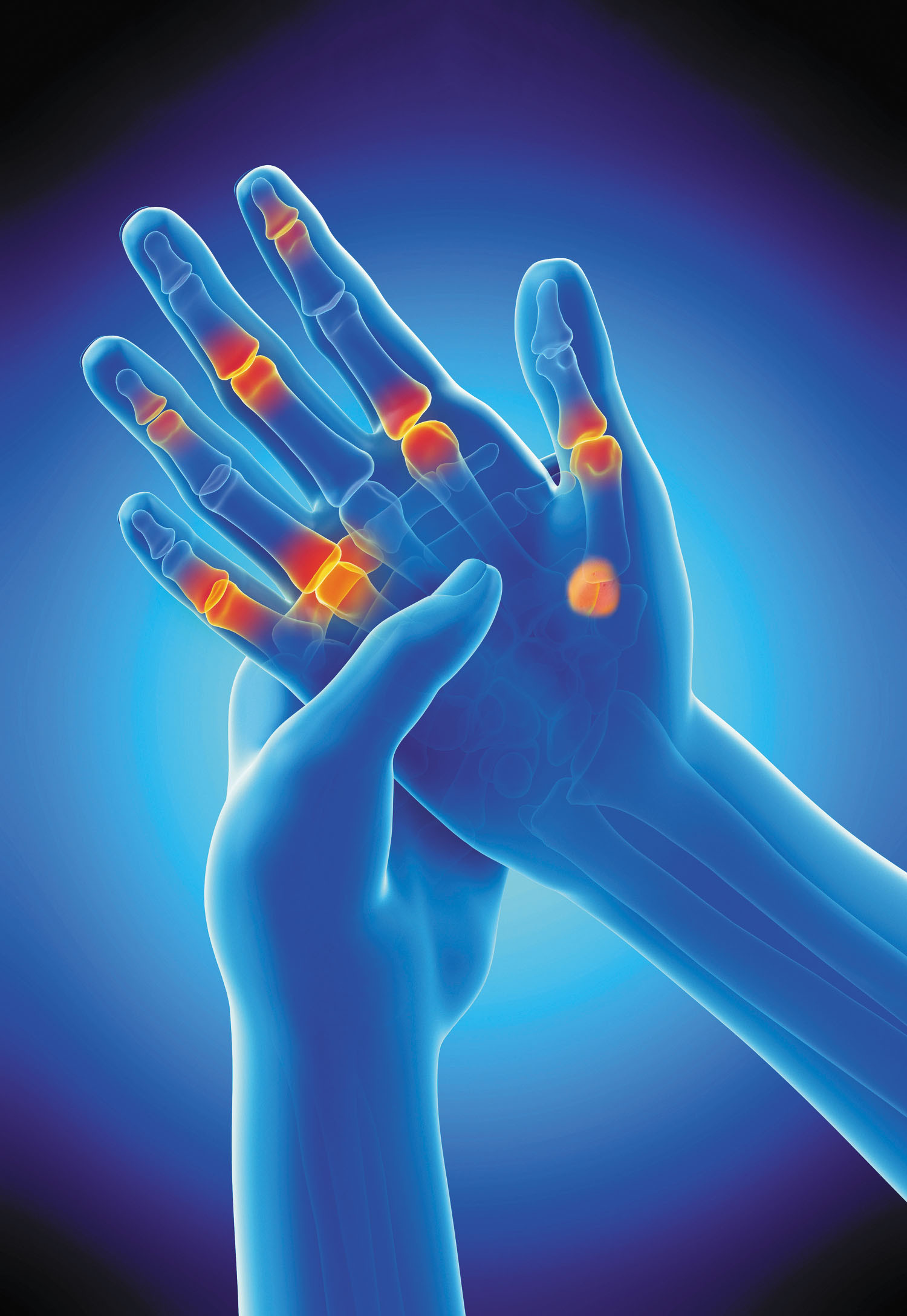

Joint pain and severe physical inflammation characterize the medical condition known as arthritis. Because no cure exists, doctors focus on managing the patient’s daily symptoms and addressing the root cause, if possible. Medical treatments help relieve chronic joint stiffness, and they can restore physical mobility for affected individuals. Here is more information about the different types of arthritis and their treatments:
Understanding Degenerative Arthritis
Osteoarthritis is the most common form of arthritis. The protective cartilage at the ends of bones wears down over time, so the underlying bones begin rubbing together directly. When this harsh physical friction occurs, patients experience significant pain and restricted physical movement. The condition severely affects weight-bearing joints like the knees and hips.
Medical providers recommend several clinical strategies to treat this degenerative disease. Weight management reduces the stress that joints bear, and physical therapy strengthens the supporting muscle groups. If conservative treatment methods do not achieve sufficient relief, orthopedic surgeons can perform a total joint replacement procedure.
Providers might also suggest these other care options:
- Oral pain medications
- Hot and cold therapies
- Customized assistive devices
- Adaptations to regular physical activities
Defining Inflammatory Arthritis
When the immune system mistakes a harmless substance for something harmful, it causes inflammatory conditions like rheumatoid arthritis. The human body mistakenly attacks healthy joint tissue, and this internal biological confusion leads to severe inflammation across multiple joints. Doctors prescribe antirheumatic drugs to slow the overall physical progression of the disease. Healthy lifestyle habits support the prescribed medical therapies, and they can improve the patient’s daily function.
Identifying Infectious Arthritis
Pathogenic bacteria or active viruses can enter the joint space to cause infectious arthritis. A localized tissue infection triggers intense physical swelling, and affected patients experience sudden fever and chills. When germs travel through the bloodstream from another body part, they may settle into a vulnerable joint.
Because the human knee remains a common anatomical target, it is greatly affected during rapid bacterial infections. Physicians typically extract joint fluid to identify the pathogen, and they prescribe targeted oral antibiotics to treat the infection. Prompt clinical treatment helps prevent permanent joint damage from occurring in patients.
Explaining Metabolic Arthritis
High levels of circulating uric acid in the bloodstream lead directly to metabolic arthritis, also known as gout. The human body breaks down dietary purines from certain rich foods, and it produces uric acid as a natural chemical byproduct. When the compromised kidneys fail to eliminate this bodily waste properly, sharp crystalline structures form inside the joints. This sudden buildup triggers painful gout attacks, and the affected joint becomes painful and tender.
Doctors help patients manage this painful metabolic condition using these clinical strategies:
- Targeted dietary modifications
- Medications to lower uric acid
- Corticosteroids for acute flares
Learn More About Arthritis Treatments
The broader medical field recognizes multiple distinct variations of this painful condition. Degenerative joint wear differs entirely from immune system dysfunction, and metabolic issues require highly distinct medical approaches. If you want to learn more about treatment for arthritis, consult an arthritis specialist near you.