
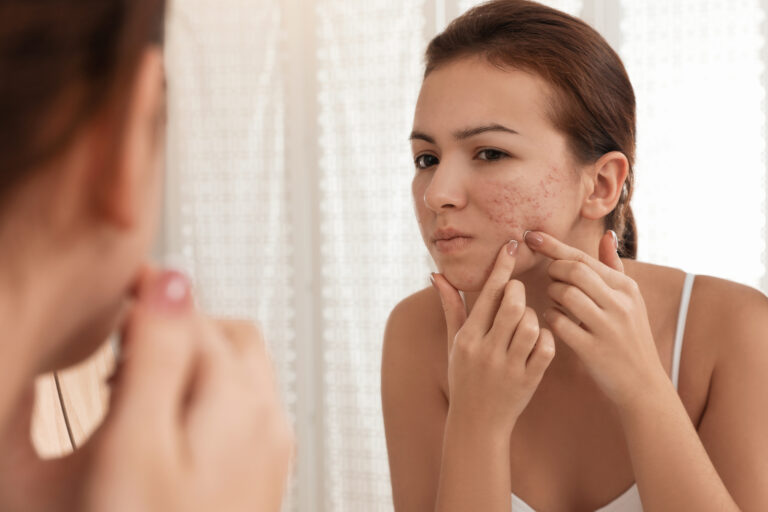

Acne is a skin condition that affects many people across all age groups, and it occurs when hair follicles become clogged with oil and dead skin cells. Since different types of acne require different approaches to treatment, identifying your specific type is the first step toward clearer skin. Here is more information on the different types of this condition and how they are treated:
Cystic Acne
Cystic acne forms deep beneath the skin, and it produces large, painful lumps. These cysts contain pus and often leave scars if left untreated. Since this acne type develops in deeper skin layers, topical treatments alone rarely resolve it. A dermatologist typically prescribes oral antibiotics or corticosteroid injections for this type.
Hormonal Acne
Hormonal acne is driven by fluctuations in androgen levels, and it appears along the jawline and chin. Breakouts typically follow a predictable cycle tied to menstruation, stress, or hormonal shifts. Treatment options for hormonal acne may include:
- Oral contraceptives
- Androgen-blocking medication
- Topical retinoids
- Dietary adjustments
As hormones fluctuate over time, treatment plans may need periodic reassessment. A dermatologist or endocrinologist will determine the most appropriate approach based on lab results and symptoms. Consistent follow-up appointments support better long-term management of this type of condition.
Nodular Acne
Nodular acne shares some features with cystic forms, but nodules are solid rather than pus-filled. These firm lumps sit deep in the skin and cause significant discomfort. Since this type resists most over-the-counter products, prescription-strength treatments are typically required. Topicals can be prescribed to treat this condition.
This form of the condition typically develops on the face, back, and chest, causing physical distress. It can be challenging to treat, but consistent care and professional guidance improve outcomes. While prescription medications are effective, combining them with a gentle skincare routine tailored to your skin type can enhance overall results.
Various Levels of Severity
Acne severity ranges from mild to severe, and each level calls for a different treatment strategy. Mild acne involves whiteheads and blackheads that typically respond to over-the-counter topicals. Moderate levels of this condition may require a combination of topical and oral treatments prescribed by a clinician.
Severity classifications help guide treatment decisions, and doctors aim to prevent both under- and over-treatment. Standard severity indicators include:
- Number of active lesions
- Presence of inflammation or pain
- Risk of scarring
- Skin response to prior treatments
Since moderate-to-severe acne carries a higher risk of scarring, early clinical intervention makes a meaningful difference. Waiting too long to seek treatment often allows deeper lesions to develop. A dermatologist will assess your skin and recommend a targeted plan.
Tracking your progress over time provides useful data for your clinician. A simple photo log or symptom journal gives a clearer picture of triggers and patterns. Since this condition changes with seasons, diet, and stress, this information helps refine your treatment approach.
Get Treated for Acne
Guesswork and generic products may delay real progress, and clinical guidance shortens that timeline. Since each acne type responds to different treatments, an accurate diagnosis is the starting point for any effective plan. Book an appointment with a board-certified dermatologist to get a professional skin assessment today. Your dermatologist will build a plan that fits your skin’s specific needs and health history.