
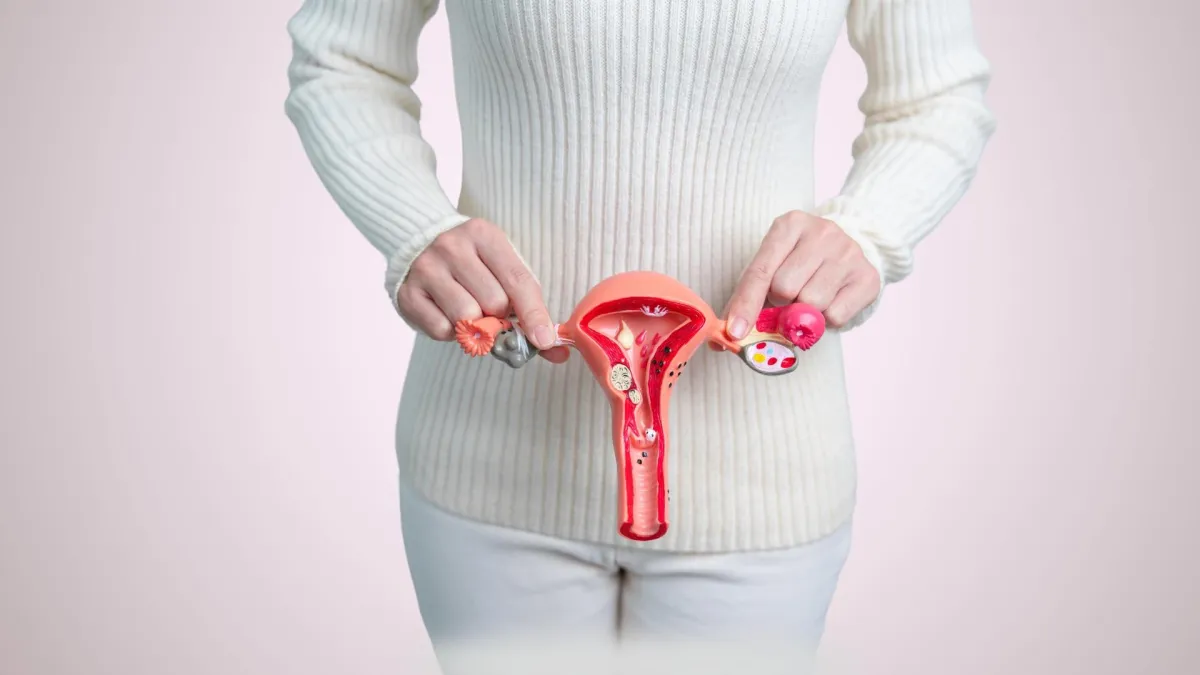

When women experience unexplained pelvic pain, they benefit from consulting an OBGYN. Uterine fibroids affect women during their reproductive years, and it requires careful medical evaluation. Understanding the available therapies helps patients make informed healthcare decisions. Here is more information on this condition, what causes it, the symptoms, and fibroid treatment approaches:
What Are Fibroids?
Fibroids are noncancerous growths made of smooth muscle cells. They develop within the uterine wall, and their size varies among patients. While some remain microscopic, others grow large enough to distort the uterine cavity. Early diagnosis leads to appropriate fibroid treatment.
Medical professionals classify these growths based on their anatomical location. Submucosal tumors bulge into the uterine cavity, and intramural tumors grow within the muscular uterine wall. If a tumor projects to the outside of the uterus, doctors refer to it as a subserosal growth. The specific location impacts the symptoms a patient experiences.
What Causes Them?
The exact cause of uterine fibroids is unknown. Genetic mutations may play a role, and family history influences a patient’s risk. These tumors express higher levels of estrogen and progesterone receptors than normal muscle cells, so hormones may accelerate their growth. These growths typically shrink after menopause due to a natural decline in hormone levels.
What Are the Symptoms?
Some patients with these tumors never experience any noticeable signs, but for those who do, symptoms can include:
- Heavy or prolonged menstrual periods
- Pelvic pressure, backaches, and leg pains
- Frequent urination
- Pain during sex
- Long-term vaginal discharge
Physicians monitor for these symptoms and may use blood tests to check for conditions such as anemia due to heavy bleeding.
What Is Fibroid Treatment?
Fibroid treatment encompasses various medical and surgical interventions, and doctors tailor their approach to each patient. They also assess the individual’s age and reproductive plans. Since asymptomatic patients rarely require intervention, physicians may recommend watchful waiting. Active symptom management begins when the growths interfere with a patient’s daily life.
What Are the Different Approaches?
Healthcare professionals prescribe specific medications to target the hormones regulating the menstrual cycle. Birth control medication effectively controls heavy bleeding, but it does not reduce the size of the tumors. If a patient needs to shrink the growths before surgery, doctors may utilize hormone replacement therapy. These pharmaceuticals create a temporary menopausal state to halt tumor progression.
When medications fail to provide relief, surgical intervention becomes an option. Surgeons utilize a minimally invasive laparoscopic procedure to remove them. This technique preserves the uterus for future pregnancies, and it involves a relatively short recovery period. Medical teams map the precise location of the tumors before operating.
Severe cases require a more definitive surgical resolution. When tumors are exceedingly large or numerous, doctors may perform a partial or full hysterectomy. A partial hysterectomy leaves the cervix intact, whereas a full hysterectomy removes the entire organ. This specific operation represents the only permanent cure for the condition.
Seek Professional Care Today
Uterine growths impact overall well-being, so patients need comprehensive medical guidance. A healthcare professional evaluates symptoms to formulate a structured care plan. Various therapeutic options exist, and doctors help individuals select the most appropriate plan. Schedule an appointment with your healthcare provider to discuss your specific clinical needs.