
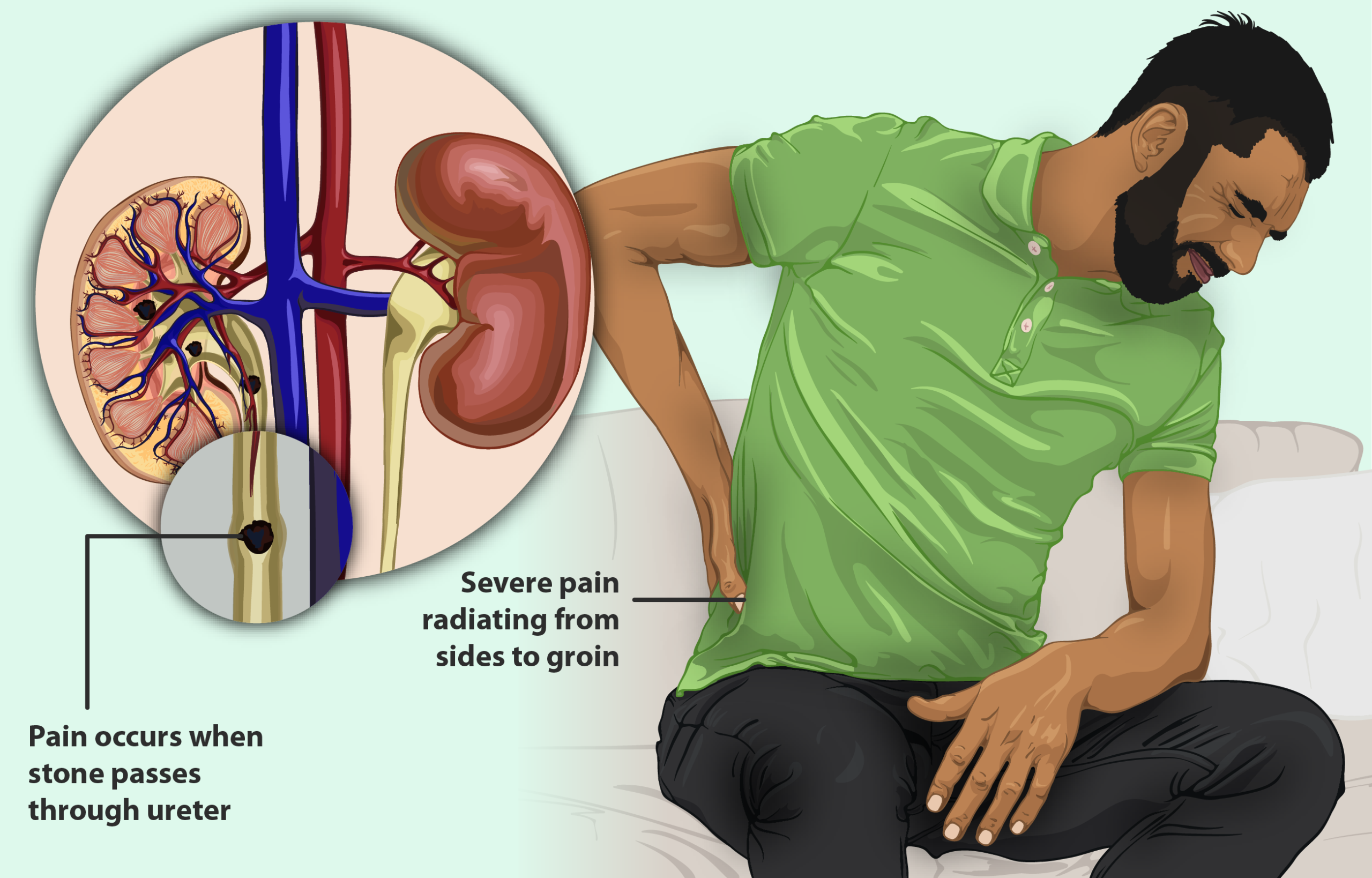

Kidney stones are hard deposits that form when minerals and salts collect inside the urinary tract. They can vary in size, shape, and location. Some remain in the kidney, and others move into the ureter, the tube that carries urine from the kidney to the bladder. Here’s information about the causes and symptoms of kidney stones:
Identifying Contributing Factors
If urine contains high levels of crystal-forming substances, such as calcium, oxalate, and uric acid, kidney stones may form. When urine lacks enough fluid to dilute these substances, the minerals collect and form small crystals. Those crystals may grow into deposits over time. Daily habits and health history also play a role. A clinician may review several key factors, including:
- Low fluid intake during the day
- Diets high in sodium or certain animal proteins
- A personal or family history of the condition
- Certain metabolic or digestive conditions
- Structural changes within the urinary tract
Recognizing Physical Symptom Patterns
Kidney stones may not create noticeable symptoms while they remain in one place, and some are too small to cause any issues. Physical signs typically begin when a stone shifts position or moves into the ureter. The location of the stone also influences the type and intensity of symptoms. Some people report sharp pain in the side, back, or lower abdomen; this discomfort may move toward the groin as the stone travels through the urinary tract.
Urination patterns also change in some cases. A person may experience a stronger urge to urinate, more frequent bathroom trips, or smaller amounts of urine. These symptoms come and go as the stone changes position. Other urinary or abdominal conditions may cause similar signs, so a clinical review is fundamental.
Noticing Urinary Warning Changes
Urine changes provide key information during an evaluation. Some people experience pink, red, or brown urine. Others observe cloudy urine or a stronger odor than usual. These changes may occur with kidney stones, but they also appear with other urinary tract concerns.
Additional physical signs include nausea, vomiting, fever, or chills. A higher temperature with urinary symptoms requires timely clinical attention. Rather than trying to identify the cause on your own, document what you notice and share those details with a medical professional. Record when symptoms begin, where discomfort occurs, how long it lasts, and whether urination changes; these details give the care team a more complete timeline.
Preparing for Clinical Evaluation
Clinicians use several tools to evaluate possible kidney stones. The visit may begin with a review of your medical history, current symptoms, fluid intake, and prior urinary issues; a physical exam often follows. Providers also use urine testing. This helps look for blood, minerals, and signs of infection. Blood testing assesses kidney-related markers or mineral levels. Imaging studies, such as ultrasound or CT scans, can help locate a stone and estimate its size. The exact approach depends on your symptoms, medical history, and the clinician’s judgment.
Find Treatment for Kidney Stones
Kidney stones involve mineral deposits within the urinary tract and may cause changes in pain patterns, urination, and urine appearance. Contributing factors range from fluid intake and diet to health history and urinary tract structure. Meeting with a specialist provides you with various treatment options; this includes minimally invasive techniques. If you notice ongoing urinary changes or symptoms related to this condition, contact a qualified healthcare provider to schedule an evaluation.