
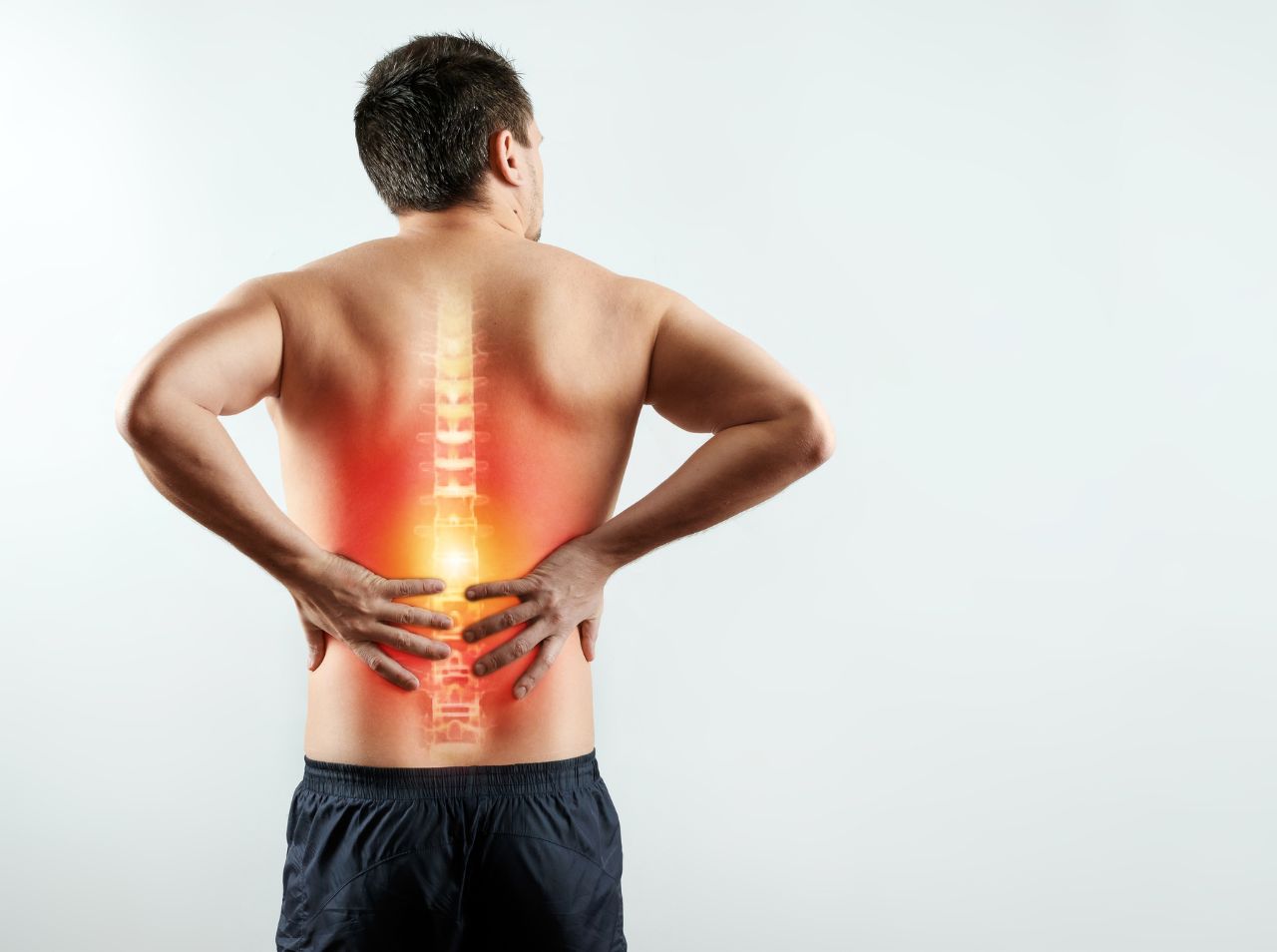

Back pain is a commonly prevalent musculoskeletal complaint, and it affects people across all age groups and occupations. While some episodes resolve on their own within a few days, others persist and interfere significantly with daily activities. Understanding what triggers pain can be the first line of defense for maintaining spinal health over time.
What Causes Back Pain?
The spine is a complex structure composed of bones, joints, muscles, nerves, and connective tissue. It enables movement in multiple directions, and it protects the spinal cord. Given this structural complexity, back pain can arise from a wide range of sources. Frequent causes include:
- Strained Muscle and Tendon: Lifting heavy objects improperly, sudden twisting movements, or overexertion may strain the soft tissues surrounding the spine.
- Spinal Disc Problems: The intervertebral discs act as shock absorbers between vertebrae, but a disc that bulges or herniates can press against nearby nerves, producing localized or radiating pain.
- Structural Abnormalities: Conditions such as spinal stenosis, spondylolisthesis, and scoliosis place irregular stress on spinal structures and may produce chronic pain.
Certain risk factors increase the likelihood of developing back pain. Age is a significant contributor, and individuals over 30 are more susceptible as spinal discs naturally deteriorate over time. Sedentary habits, smoking, and excessive alcohol use are also associated with heightened risk.
How Can You Prevent It?
Not all causes of back pain are preventable. Structural conditions and age-related degeneration follow their own course, but a number of modifiable factors can play a role in reducing the frequency and severity of pain. The abdominal, hip, and back muscles work together to stabilize the spine. Exercises that target these muscle groups, including physical therapy programs, can improve spinal support and reduce the risk of strains and sprains.
When lifting heavy objects, bend at the knees rather than the waist. Keeping objects close to the body and avoiding torso rotation during the lift further reduces the strain placed on spinal structures. Preparing muscles and connective tissue before exercise with gentle stretching reduces the likelihood of acute injuries; this practice may be particularly relevant for athletes.
How Is Pain Treated?
Treatment for back pain is typically guided by certain circumstances, such as the underlying cause, the duration of symptoms, and the degree to which pain affects daily functioning. Many mild to moderate cases respond well to conservative, non-surgical management. Rest and self-care are often the starting point. A short period of reduced activity, combined with over-the-counter anti-inflammatory medications or ice and heat application, can ease acute pain and allow the affected tissues to begin healing.
Physical therapy addresses both the immediate pain and its underlying mechanical causes. A physical therapist develops individualized programs to improve strength, flexibility, posture, and body mechanics; this aims to reduce the chance of recurrence. Chiropractic care and acupuncture are approaches that some patients may find beneficial, typically accompanied by more traditional methods.
Back pain that does not improve with rest, or that is accompanied by radiating leg pain, numbness, or weakness, warrants prompt evaluation by a spine specialist. Early diagnosis using imaging tools allows for a more targeted treatment approach. Surgery is generally reserved for cases where conservative treatments have not produced adequate relief, or it is used where structural pathology requires direct intervention.
Consult a Spine Specialist
A spine specialist can differentiate between conditions that respond well to conservative care, and they are able to identify those that require a more advanced intervention. Seeking an accurate diagnosis, rather than addressing symptoms alone, provides a managed path toward long-term relief and restored function. Scheduling a consultation at the first sign of persistent or severe back pain is a prudent step.