
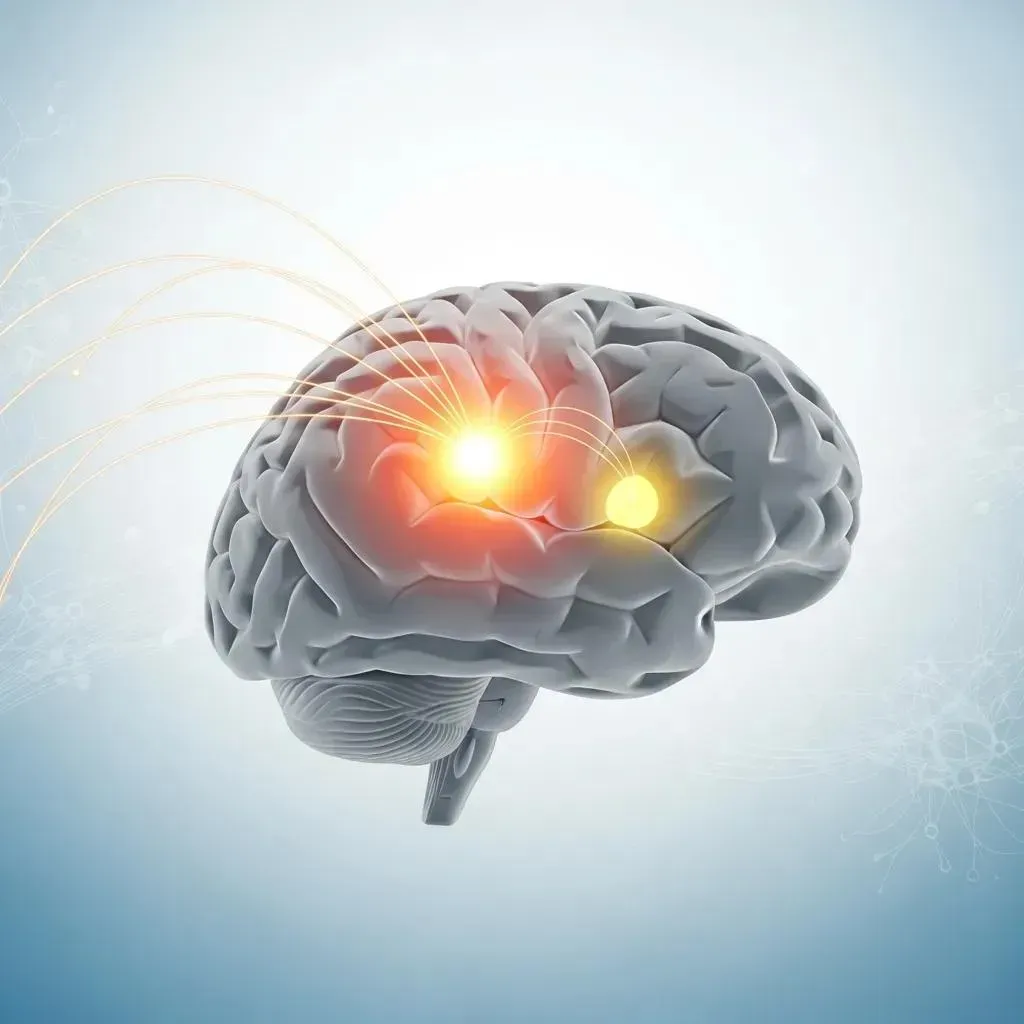

Transcranial magnetic stimulation (TMS) is a noninvasive procedure, and it can target specific brain regions. It uses magnetic fields to influence nerve cell activity. While medications work through the bloodstream, TMS therapy delivers focused stimulation directly to the brain. Here is more information on the science behind this treatment modality:
Using Magnetic Pulses
TMS relies on a device that generates short magnetic pulses. A clinician places an electromagnetic coil near your scalp, and the coil produces these pulses. The pulses pass through the skull without surgery.
Each pulse creates a small electrical current in the targeted tissue. This current activates nearby neurons. When neurons fire repeatedly, the brain responds with changes in activity, and clinicians track these patterns during TMS therapy sessions.
Stimulating Areas of the Brain
TMS targets regions linked to mood regulation. Since depression involves reduced activity in certain areas, clinicians aim the coil at the prefrontal cortex. The device delivers repeated pulses to this zone.
The prefrontal cortex connects to deeper brain structures. Stimulating the surface area influences these connected networks, and the effect spreads beyond the initial point. Researchers measure this activity through brain imaging studies.
Clinicians map the treatment site before sessions begin. They use anatomical markers to locate the correct position. While each brain differs slightly, this mapping process keeps stimulation consistent across appointments.
Addressing Treatment-resistant Depression
Some people with depression do not respond to standard medication. Treatment-resistant depression describes this situation, and it affects a notable portion of patients. TMS offers a different mechanism for these individuals.
Doctors may recommend TMS after other treatments fail. Several factors guide this decision:
- A diagnosis of major depressive disorder
- A limited response to antidepressant medication
- A history of medication side effects
When standard options fall short, clinicians review these criteria. They assess your medical history first. Since TMS works differently from drugs, it provides another pathway when pills produce little change.
Providing an Alternative Solution
TMS differs from medication in several practical ways. It does not circulate through the body, so it avoids many systemic side effects. The procedure targets the brain directly.
A typical TMS course involves repeated sessions over several weeks. Patients remain awake during each appointment, and no sedation is needed. The session length varies based on the protocol your clinician selects.
People weigh TMS against other interventions for distinct reasons. Common points of comparison include:
- No need for daily oral medication
- Sessions performed in an outpatient setting
- Minimal recovery time after each visit
These features shape how patients view the treatment. Each person responds differently to therapy. As outcomes vary, clinicians monitor progress throughout the full course.
Schedule TMS Therapy Today
TMS represents one option among several for treatment-resistant depression. It uses magnetic pulses to stimulate brain regions tied to mood, and clinicians tailor each plan to the individual. The science continues to develop through ongoing research. If you want to learn more, speak with a qualified provider. A clinician reviews your history and explains the procedure in detail. Contact a psychiatry clinic today to discuss whether this approach fits your situation.