
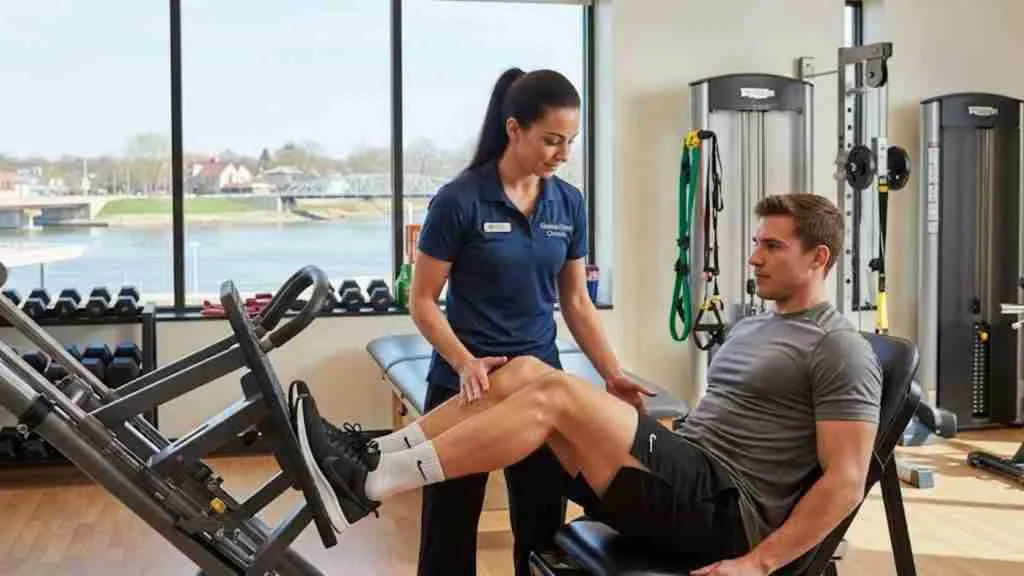

Sports medicine supports athletes who’ve been injured and are recovering. It examines movement, workload, recovery, and physical preparation to help prevent future incidents. This field of medicine can also shape training plans and guide a safer return to sport. Past injuries have the potential to affect strength, mobility, coordination, or technique long after formal rehabilitation ends. Sports medicine gives athletes and support staff a structured way to identify these gaps and address them through practical steps. Here’s information about the role of this field in injury prevention for athletes:
Examining Previous Injuries
A previous injury changes more than one body part; it may alter movement patterns and shift load to another area. Some changes are not immediately apparent, but they still influence how an athlete runs, lands, throws, or absorbs contact. Sports medicine professionals review injury histories to identify patterns that warrant attention. They look at the original injury, the demands of the sport, and the athlete’s current training level. This process is helpful because it keeps prevention specific. An athlete returning from an ankle injury may require more balance and foot-control work. Athletes with prior shoulder issues sometimes need better overhead mechanics before full practice resumes.
If a previous injury still requires treatment, a sports medicine specialist can create a personalized plan. These professionals offer various treatments to help address and prevent issues, including:
- Activity modifications and physical therapy
- Epidural steroid injections
- Radiofrequency ablation
- Facet joint injections
- Nerve blocks
Assessing Movement Demands
Assessment is a key step in prevention after a previous injury. It may include strength testing, mobility checks, movement observation, and sport-specific drills. This step gives trainers and clinicians a clearer view of how an athlete currently moves.
The goal is to match the athlete’s current abilities to the demands of the sport. If there is a gap, the plan should address it. In cases where one leg produces less force during jumping, the program should reflect that finding. If turning speed drops on one side, the athlete may need more targeted progressions. Good assessment leads to action rather than general advice.
Managing Training Progression
Training progression plays a fundamental role after injury. Sharp increases in intensity, frequency, or duration may place added stress on the body. A structured plan helps athletes return to activity in stages, and it gives staff a better way to monitor response over time.
Several factors may receive close attention:
- Total workload across practices and games
- Changes in sprinting, jumping, or contact volume
- Test days and lighter sessions
- Technical quality during repeated movements
Monitored progression is helpful after previous injuries because it reduces guesswork. Instead of rushing back to full demands, the athlete follows a planned sequence with guidance from a sports medicine specialist. This approach supports better preparation for the real pace of competition.
Building Physical Readiness
Physical readiness can include strength, joint mobility, balance, and movement control. Sports medicine helps connect these qualities to the athlete’s injury history and the specific needs of the sport. A practical program should target the athlete’s most pressing needs. This may mean lower-body strength and landing control for one athlete, while another requires trunk stability and cleaner change-of-direction mechanics.
Technique also matters. Poor mechanics during sprinting, jumping, or throwing may increase stress in the wrong places. Sports medicine staff help athletes identify safe ways to exercise.
Learn More About Sports Medicine
Sports medicine supports injury prevention by linking past injury history with assessment, progression, physical preparation, and communication. For athletes with previous sports injuries, this approach offers a clearer path toward safer training and competition. Review your current prevention plan, identify remaining gaps, and work with qualified professionals to build a more structured return-to-sport process.