
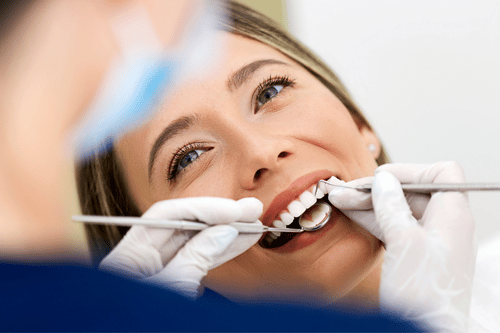

Teeth cleaning removes plaque, tartar, and surface stains from the teeth. You brush and floss at home, but some buildup stays in places your tools miss. As plaque hardens over time, a dental cleaning targets areas that regular home care does not remove. Here is more information on the role of professional teeth cleaning:
Removing Bacteria
Bacteria collect along the gumline and between teeth, and they feed on food particles left after meals. Professional teeth cleaning is performed to lower the amount of bacteria. When a hygienist scales the teeth, hardened tartar is removed from spots that brushing does not reach.
Plaque forms each day, but tartar stays attached once it hardens. Home care helps, and dental tools reach narrow spaces. Since rough tartar holds more bacteria, its removal changes the surface where plaque tends to gather.
A cleaning visit typically includes:
- Scaling along the gumline
- Polishing to smooth surface stains
- Flossing between tight contacts
These steps reduce debris, and they also help the dental team inspect your mouth more clearly. Since bacteria hide near the gums and around older dental work, a professional cleaning gives a closer look at those areas.
Reducing Risk of Decay
Tooth decay starts when acids weaken enamel, and bacteria produce those acids after sugar intake. Professional cleaning aims to reduce plaque on the teeth. When less plaque remains, acid levels may drop between visits. Decay typically starts in grooves or between teeth, but those areas are hard to clean well every day.
Avoiding Gum Disease
Gum tissue reacts to plaque, and early inflammation may start without much pain. Redness, swelling, and bleeding are common signs. Since tartar near the gums irritates tissue over time, professional cleaning helps reduce one source of that irritation.
Gingivitis may progress if plaque stays in place, but early care focuses on cleaning and better daily habits. You clean at home, and the dental team removes deposits below and above the gumline. When the gums are checked during the visit, bleeding points and pockets may also be recorded.
People with braces, crowns, or crowded teeth often face more plaque retention, and those areas need closer attention. A cleaning appointment supports daily brushing and flossing. As gum disease may develop gradually, routine visits give repeated checks for changes in tissue health.
Whitening Teeth
Professional cleaning removes many surface stains, and polishing smooths the outer surface of the teeth. Coffee, tea, and tobacco typically leave visible marks. Since stain sits on the enamel surface, a cleaning may make teeth look brighter even without bleaching.
This type of whitening is limited, but it addresses stains caused by food and drink. Stains do not lift with a standard cleaning, and deeper color changes need different treatment. When patients understand that difference, they know what a cleaning does and does not change.
Schedule a Teeth Cleaning Today
Home care controls daily plaque, and professional cleaning removes buildup that remains over time. Since your mouth changes with diet, age, and dental work, routine cleanings add another layer of monitoring to your care. If it has been a while since your last cleaning, schedule an appointment with your dental office today. When you pair home care with regular cleanings, you give your teeth and gums more thorough attention.