
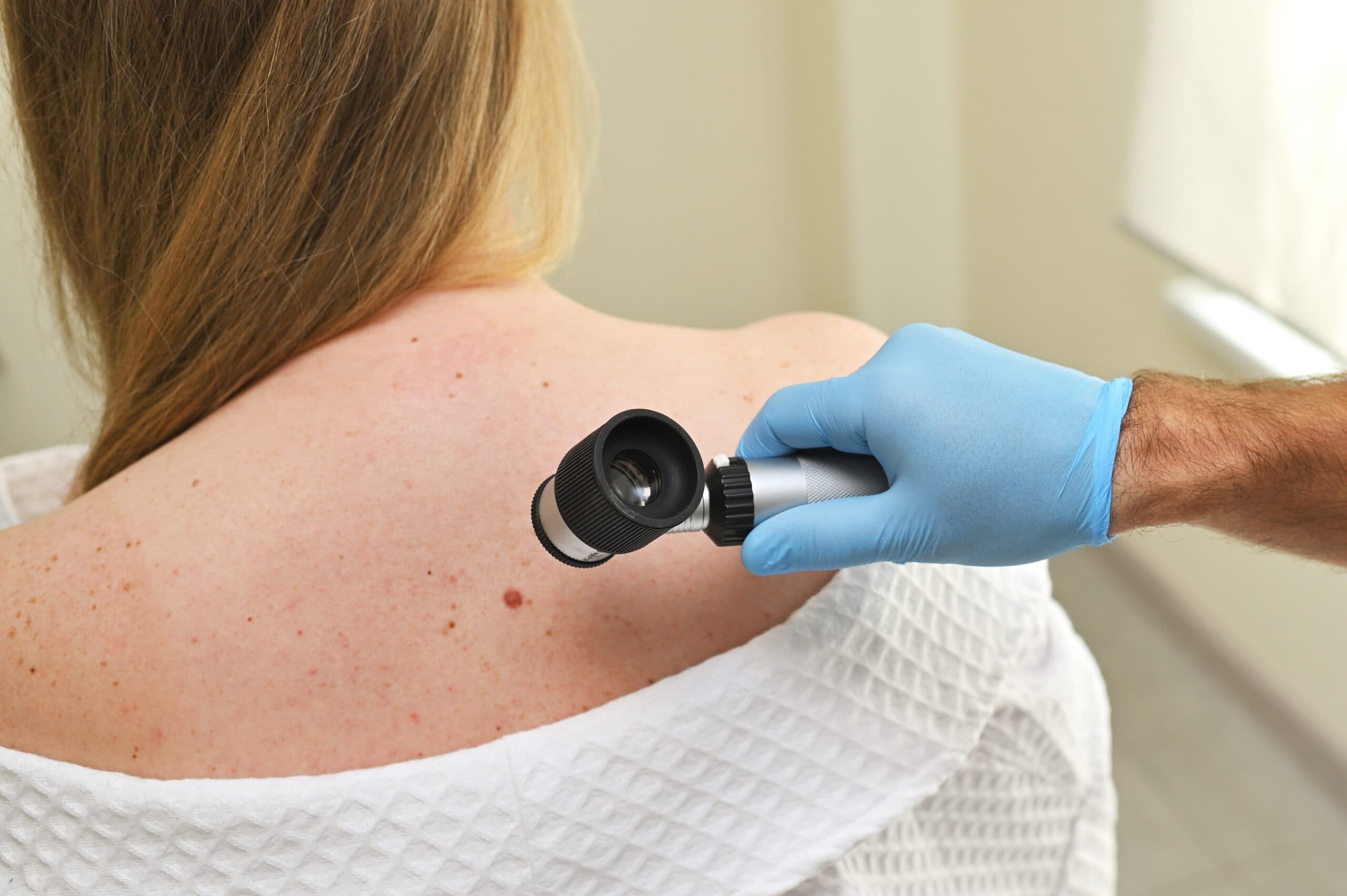

Non-melanoma skin cancers may require precise treatment to remove cancerous tissue while preserving as much healthy skin as possible. Mohs Surgery allows surgeons to remove thin layers of affected skin and examine them during the procedure until no cancer cells remain. Here is an overview of the role of Mohs Surgery in treating non-melanoma skin cancers:
Removing Cancer Precisely
Targeted cancer removal forms the core of Mohs surgery; the surgeon removes the visible tumor and scrapes away a thin layer of surrounding skin. While the patient waits, the doctor examines the excised tissue under a microscope. The laboratory analysis reveals the exact location of remaining cancer cells. The medical team maps the surgical site, and they identify the precise areas needing further excision. When the doctor identifies residual disease, they return to the patient to remove another targeted layer.
This process continues throughout the surgical appointment. The targeted approach prevents the unnecessary removal of healthy skin, and it successfully eliminates the localized cancer. The precise removal technique minimizes trauma to the body; the surgeons work with meticulous attention to detail
Preserving Healthy Tissue
Healthy tissue preservation is a primary benefit of this treatment. Standard excisions often remove wide margins of normal skin, but Mohs surgery takes a conservative approach. The face and neck require maximum tissue conservation. Dermatologists perform this technique on sensitive areas, and they protect key structures in the process. Tissue preservation lowers the risk of severe scarring; cosmetically sensitive areas require this gentle approach.
Checking Margins in Real-Time
Real-time margin checking separates Mohs surgery from standard treatments. Traditional pathology takes several days, but this specialized method produces immediate laboratory results. The surgeon acts as the pathologist while they process the tissue samples during the same visit.
The technician freezes the tissue to cut very thin slices. They apply special dyes to these sections, and they map the margins on a detailed diagram. If cancer cells reach the edge of the sample, the diagram indicates the exact location.
Immediate margin evaluation provides a fundamental advantage. The team tracks the microscopic roots of the tumor, and they confirm clear margins before the surgery ends. Technicians process the slides rapidly, and the doctor reviews the microscopic images without delay.
Planning Treatment and Repair
After the surgeon clears the cancer, the team begins the treatment and repair planning phase. The doctor evaluates the resulting wound, and they discuss the reconstructive options with the patient. Here are some of the closure methods they may recommend:
- Natural healing: The wound remains open to heal on its own over several weeks without surgical intervention.
- Direct closure: The surgeon stitches the edges of the skin together in a straight line to close the wound.
- Skin grafts: The doctor moves a piece of healthy skin from another area of the body to completely cover the surgical defect.
- Skin flaps: The medical team shifts adjacent healthy tissue over the site to repair the surgical area.
The chosen repair method depends on the size and location of the wound. The medical staff applies a protective bandage and provides detailed post-operative instructions. Proper wound care can prevent clinical complications.
Schedule Your Mohs Surgery Appointment
Mohs surgery targets malignant cells, and it protects the surrounding healthy skin. Real-time analysis makes sure no cancer remains at the surgical site. The doctor plans the wound repair carefully, and the patient receives comprehensive follow-up care. Contact a qualified dermatologist in your area to schedule your Mohs surgery appointment today.