
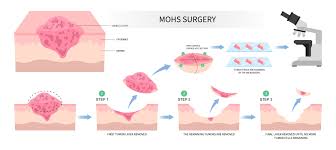

Melanoma represents a severe form of skin cancer, and it requires prompt medical intervention. Mohs surgery is a precise surgical technique used to treat melanoma and other skin cancers. The procedure involves removing cancerous tissue layer by layer and examining it microscopically, which preserves healthy surrounding skin. Here is more information on this surgery and how it treats melanoma:
What Is Melanoma?
Melanoma originates in melanocytes, which produce skin pigment. This specific cancer spreads rapidly to other organs, and it requires immediate clinical attention. Physicians may recommend Mohs surgery for this condition.
Physicians classify this disease into several stages based on tumor thickness and ulceration. Early-stage localized tumors may respond well to surgery, but advanced cases require comprehensive treatment plans. The disease behaves aggressively, so providers prioritize complete surgical excision during the initial intervention.
What Are the Symptoms?
Recognizing the early signs of skin cancer is beneficial for seeking timely medical evaluations. A common indicator is a new growth or an existing mole that changes in appearance. Dermatologists often use specific criteria to identify suspicious lesions during clinical examinations, including:
- Asymmetry: One half of the mole does not match the other half.
- Border: The lesion has an irregular, notched, or poorly defined border.
- Color: The mole displays variations in color, including shades of black, brown, tan, white, or red.
- Diameter: The lesion is larger than 6 millimeters, approximately the size of a pencil eraser.
- Evolving: The mole changes in size, shape, color, or elevation over time.
Observing any of these changes warrants a professional medical examination for accurate diagnosis.
What Is Mohs Surgery?
Mohs surgery is a specialized dermatological procedure designed to completely eliminate skin cancer. The surgeon removes the visible tumor along with a thin margin of surrounding tissue, and they examine the sample under a microscope. If cancer cells remain visible on the edges, the medical team targets that exact location for further removal.
How Does It Work?
The procedure begins with the administration of a numbing agent to the affected skin area. The surgeon then excises the visible lesion, and they map the tissue to determine its exact position on the body. While the patient waits, a technician processes the tissue for microscopic evaluation.
This mapping technique allows the provider to accurately pinpoint any residual microscopic cancer cells, and the cycle repeats. The patient rests until the surgical analysis concludes. The surgeon removes additional tissue only from areas with positive margins, sparing healthy skin.
What Are the Benefits?
A primary advantage of this technique is its cure rate for primary and recurrent melanomas. Patients may experience better cosmetic outcomes, and they retain more healthy tissue than standard excision methods allow. By evaluating the entire surgical margin, doctors maximize the chance of complete cancer clearance.
Traditional surgeries require doctors to estimate the tumor’s extent, which may lead to larger wounds. This specialized approach eliminates that guesswork, and it relies on immediate microscopic feedback. Patients may undergo fewer surgical revisions. This is achieved because the provider confirms complete removal at the initial appointment.
Seek Treatment Now
Melanoma poses serious health risks, but modern surgical techniques offer effective solutions. Mohs surgery provides an exact, tissue-sparing method for eradicating malignant cells from the skin. If you notice any suspicious skin changes, schedule a consultation with a certified dermatologist to discuss your treatment options.