

The human body relies on a complex network of blood vessels, delivering oxygen and nutrients to tissues while removing waste products. This circulatory system includes arteries carrying oxygen-rich blood away from the heart, veins returning blood to the heart, and tiny capillaries connecting the two. When disruptions occur within this network, blood flow changes and potentially leads to specific medical conditions. Medical professionals rely on specialized diagnostic tools to identify these vascular disorders.
What Are Vascular Disorders?
Vascular disorders involve structural or functional abnormalities within the body’s circulatory system. These conditions can affect any part of the anatomy, from the major arteries located near the heart to the smallest capillaries situated in the extremities. One common underlying issue is atherosclerosis, a gradual process where fatty deposits and cholesterol accumulate inside arterial walls. This physical buildup progressively narrows the passageways and restricts the flow of blood over time.
Specific types of vascular conditions can depend on their physical location. Carotid artery conditions affect the major vessels supplying oxygenated blood to the brain. Blood clots can also form unexpectedly, creating immediate internal blockages that stop circulation entirely in a specific region. Other structural problems include aneurysms; these are weakened, bulging sections of a blood vessel wall that risk rupturing.
Who Should Seek Care?
Symptoms of circulatory issues vary widely based on which blood vessels are affected and the exact severity of the internal blockage, but many individuals experience no noticeable signs during the early stages of a condition. As the narrowing or vascular damage progresses, specific physical manifestations may emerge and prompt patients to seek medical care. If the condition impacts vessels supplying the brain, symptoms can manifest abruptly and severely. Individuals might experience sudden confusion, difficulty speaking, blurry vision, or weakness on one side of the face or body. Recognizing these physical changes provides the first necessary step toward seeking a professional medical evaluation.
How Are They Diagnosed and Treated?
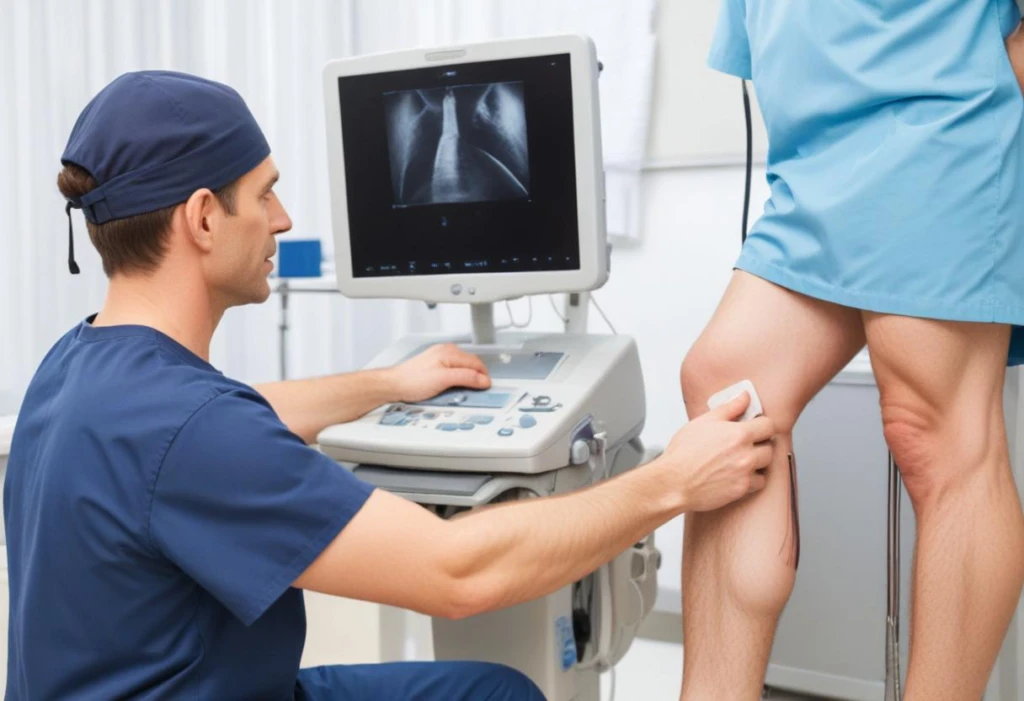
Physicians can use a combination of physical examinations and imaging technologies to pinpoint vascular abnormalities. Medical imaging plays a role in confirming the exact location and size of structural vessel defects or blockages, such as blood clots. Vascular ultrasound uses high-frequency sound waves to create real-time pictures of blood flowing through vessels, allowing doctors to detect narrowed areas. CT and MRI angiography can provide highly detailed, three-dimensional digital views of the circulatory system.
Once a physician identifies the circulatory condition, they develop a targeted clinical treatment strategy. Interventions range from suggested lifestyle modifications to specific prescribed medications. These medications may lower cholesterol levels or thin the blood to prevent clotting. For more advanced or severe cases, surgical procedures can be the recommended form of treatment. These may be used to physically open blocked arteries or to repair aneurysms.
Confer With a Neurologist
Vascular conditions specifically affecting the brain and the central nervous system require specialized medical attention. Neurologists possess specialized clinical training, enabling them to properly evaluate blood flow issues that impact neurological function. Prompt professional evaluation is beneficial for mitigating the long-term risks associated with advanced circulatory issues. Engaging directly with a specialized neurologist allows patients to receive information regarding their specific vascular health status and to explore the available clinical options for ongoing disease management.