
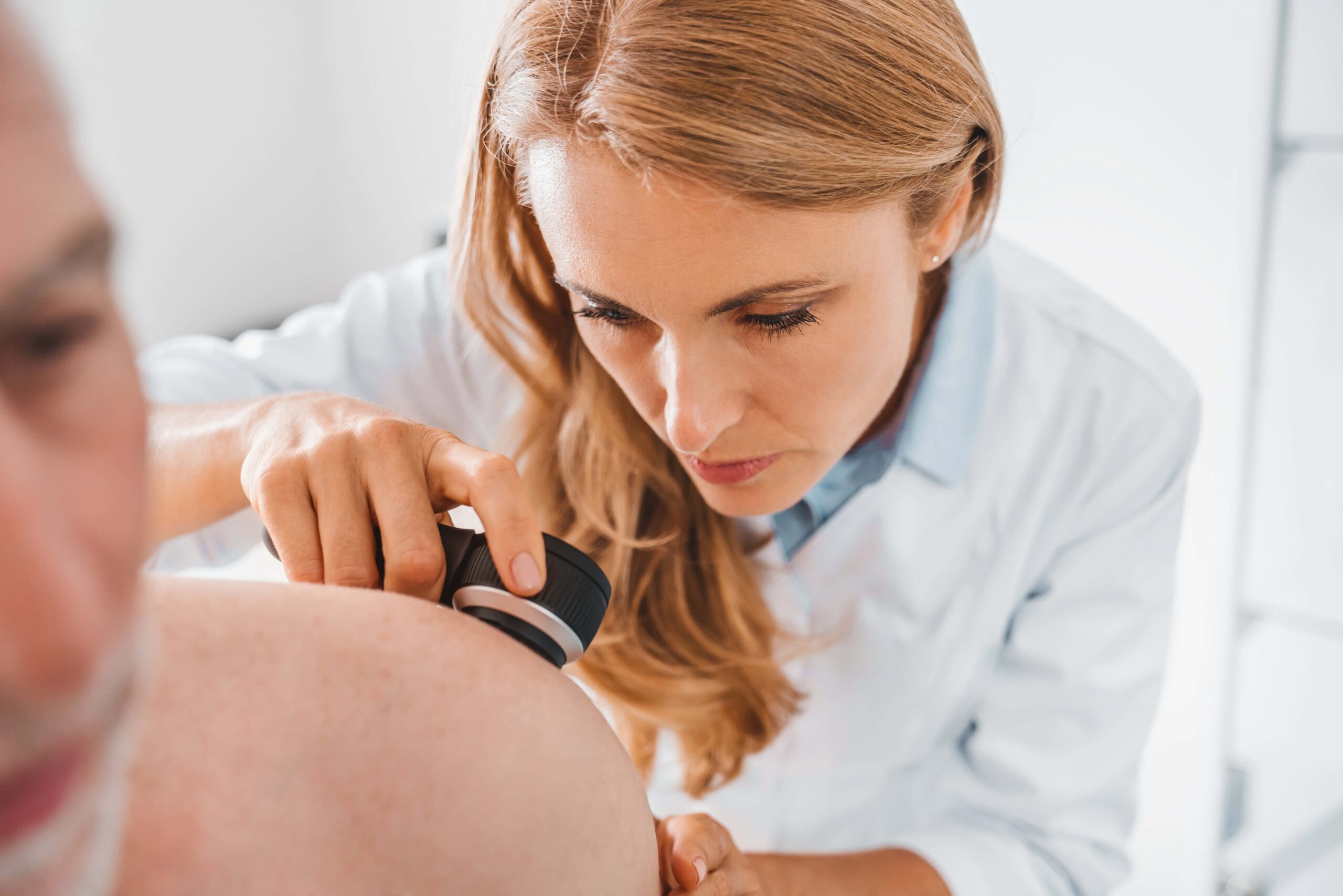

Dermatology is focused on the skin, hair, and nails. Dermatologists are trained to identify a range of conditions, and they manage mild rashes and deep tissue concerns. When a skin infection arises, they provide a structured path to an accurate diagnosis and a clear treatment plan. Here is some information about the role of dermatologists in treating skin infections:
Provides Examination and Diagnosis
A thorough assessment is the first step in understanding and addressing any skin infection. Skin infections can look similar to other conditions, so dermatologists inspect the affected area and review your symptoms. Since bacteria, fungi, viruses, and parasites leave distinct signs, a trained eye is able to identify these differences. To confirm the cause, your dermatologist may take a swab or tissue sample for laboratory analysis. These tests reveal the specific organism behind the infection and guide the choice of treatment.
Recommends Treatment Modalities
Once a dermatologist has a clear diagnosis, they will recommend a treatment plan tailored to the type and severity of your skin infection. Depending on what’s causing the problem, this may include:
- Topical Creams and Ointments: For infections on the skin’s surface, dermatologists may prescribe a medicated cream, gel, or ointment. These are applied directly to the affected area to target the infection locally.
- Oral Medications: If the infection is more widespread or deep within the skin, you might need oral medications. These include antibiotics for bacterial infections and antifungal pills for fungal infections. These work from the inside out to fight the infection throughout your body.
- Antiviral Medications: For infections caused by viruses, such as shingles or herpes simplex, specific antiviral medications are prescribed. These help reduce the outbreak’s severity and duration.
Your specialist will explain how to use each medication, the treatment’s duration, and any potential side effects. They will also review other factors that could affect your healing, such as other health conditions or medications you’re currently taking. If the first treatment doesn’t clear the infection, your dermatologist will adjust the plan, which may involve further testing. This approach confirms the treatment evolves with your skin’s response, and clear instructions help you follow the plan at home.
Completes In-Office Procedures
Some skin infections call for procedures that go beyond medication. These can be performed at a dermatology clinic, using sterile equipment and local anesthesia. In-office procedures include:
- Draining an abscess removes trapped pus and relieves pressure in the area.
- Removing infected cysts or boils with a small incision to clear the contents and clean the site.
- Debridement, the removal of dead or infected tissue, supports healing in wounds that resist standard care.
Patients are assessed beforehand, and clinicians determine the safest approach for each infection. After each procedure, you receive aftercare instructions, including how to clean the area and when to seek a follow-up. These hands-on methods address infections that topical or oral treatments do not resolve.
Visit a Dermatology Clinic
Skin infections range from minor to serious, and a dermatologist has the training to tell the difference. If you notice redness, swelling, warmth, pus, or a rash that does not improve, schedule an appointment with a dermatology clinic. Early evaluation helps a specialist identify the cause and recommend a plan before the condition spreads. Contact a dermatology clinic today to book a consultation and discuss your symptoms.