

Orthodontic treatments alter the physical structure of the mouth to align teeth and restore functional bites. When steady pressure is applied to a tooth, the surrounding bone tissue adapts and allows the tooth to gradually shift into a new position. Entering into a braces program requires distinct steps, from the initial consultation through the final retention phase. Knowing what the progression entails can help individuals prepare for their upcoming appointments.
What Are Braces?
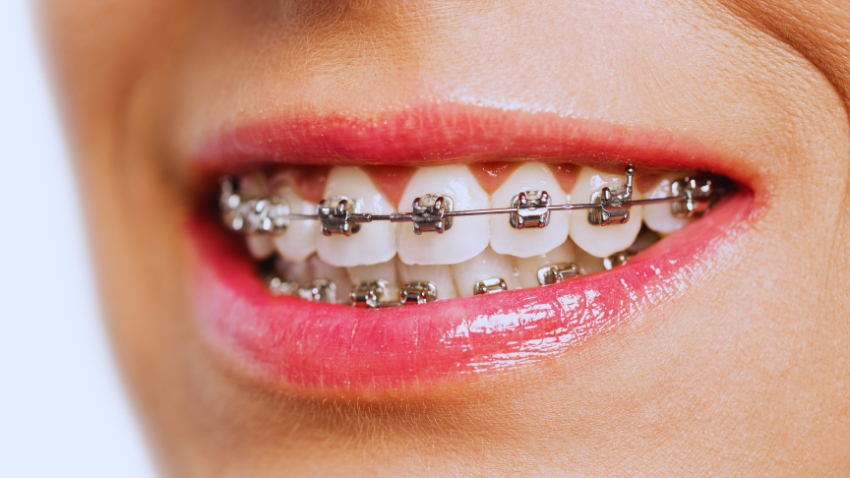
Braces consist of specific components designed to apply continuous, directed pressure to the teeth over a prescribed duration. Traditional systems use small metal brackets affixed directly to the front surface of each tooth, and a structured archwire connects these brackets. Orthodontists adjust the tension of this wire periodically, guiding dental movement over time.
Patients may select alternative materials based on their aesthetic preferences and clinical needs. Ceramic options blend with natural tooth coloration, presenting a less visible profile than standard metal. Lingual brackets attach to the back surfaces of the teeth and hide the hardware from plain view. These variations all function through the same basic mechanical principles to shift teeth into their prescribed locations.
What Do They Address?
Orthodontic appliances target several specific dental misalignments. Crowding occurs when the jaw lacks sufficient space for all teeth to fit normally, causing them to overlap, twist, or push forward. Gaps between the teeth can also occur. Braces systematically close these open spaces or create the necessary room for crowded teeth to sit side by side properly. Beyond simple tooth placement, these treatments modify jaw relationships to correct bite irregularities. Correcting these structural defects can improve basic oral functions, such as chewing efficiency. Maintaining proper alignment also allows for more effective daily brushing and flossing, supporting long-term oral health.
What Should You Expect?
Before attaching any hardware, the practitioner verifies that the mouth is free of active decay. The active process begins with an initial consultation, and the orthodontist will take diagnostic images to formulate a customized treatment protocol. Patients attend routine follow-up visits every month or so after the initial placement. During these scheduled appointments, the provider tightens the wires or replaces them entirely to maintain consistent pressure. Patients may experience mild soreness for a few days after each adjustment as the mouth adapts to the new physical tension.
Treatment duration varies widely depending on individual requirements. Some individuals wear the appliances for less than a year, but complex structural adjustments take two years or more to resolve. Maintaining good oral hygiene throughout this period requires diligent brushing and the use of specialized flossing tools to navigate around the wires. Patients will have to avoid hard or sticky foods that may dislodge the brackets. Once the active phase concludes and the provider removes the brackets, the patient enters the retention phase. Wearing a custom-fitted retainer prevents the teeth from drifting back toward their original positions.
Seek Professional Orthodontic Care
Each patient requires an individualized approach to correct their specific dental alignment. Scheduling an evaluation with an orthodontist provides a clear assessment of your personal structural needs. Professionals possess the expertise to recommend the most appropriate intervention for a patient, basing treatment on precise diagnostic data. They can map out a timeline and discuss which materials align best with your goals and clinical requirements. Taking this initial step initiates the structured progression necessary for achieving a properly aligned dental profile.