

Spinal stenosis narrows the spaces within your spine, and this compression puts pressure on your nerves. You may have pain, numbness, or weakness in your back, legs, or neck. These symptoms can appear gradually, and they often worsen with activity. Understanding what is happening in your body is the first step toward managing it effectively, while making educated decisions.
Constant Daily Life Impact
Spinal stenosis affects more than just your physical comfort. Pain and fatigue limit how long you stand, walk, or sit, and these restrictions add up throughout your day. Simple tasks may become difficult, disrupting your work and routine. The condition can also affect your balance, and some people notice weakness that makes uneven ground harder to manage. Reduced activity may influence your mood, sleep, and energy, so the effects often reach beyond physical symptoms. While tracking when symptoms appear helps you spot patterns, these patterns guide better daily choices. Recognizing your specific triggers helps you adapt your daily schedule, so you avoid unnecessary strain.
Effective Treatment Options Available
Several treatment options can reduce your symptoms and improve your function. Treatment usually starts with conservative methods, and your provider may combine several approaches. Since it is your treatment, you have a say in your options. The most common options include:
- Nonsteroidal anti-inflammatory drugs: Control pain and inflammation, often used first for mild to moderate discomfort.
- Physical therapy: Strengthens supporting muscles and improves flexibility and posture, with a program built around your limitations.
- Therapeutic cervical traction: Relieves nerve compression in cervical stenosis and is administered under professional supervision.
- Epidural injections and radiofrequency ablation: Reduce nerve inflammation and target pain signals when conservative care is not enough.
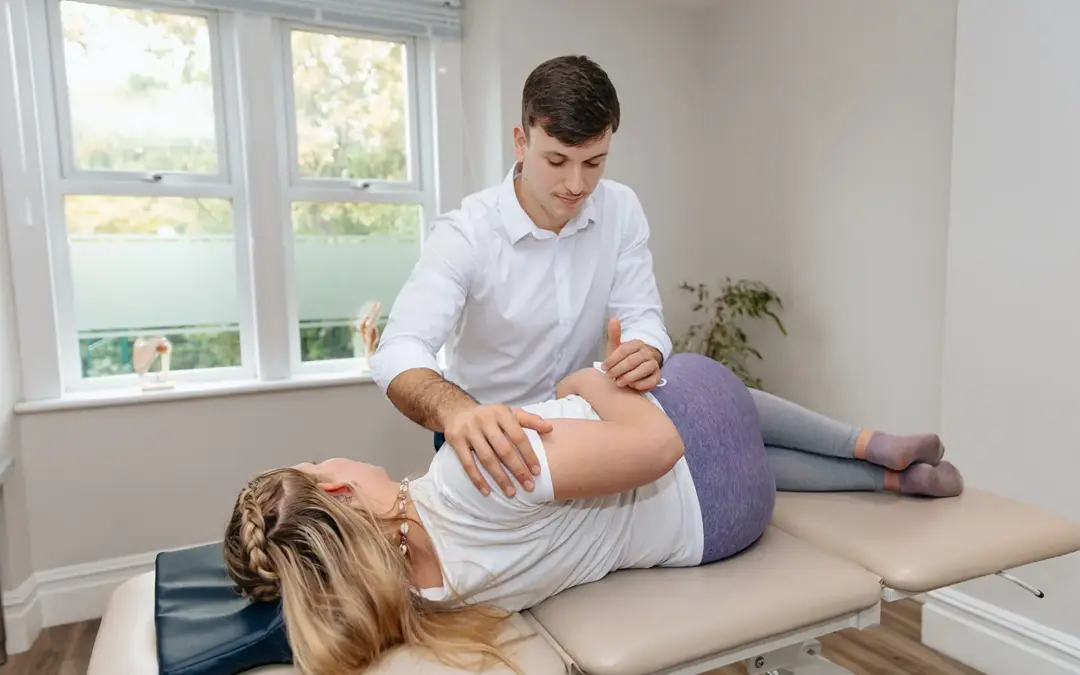
- Chiropractic care: May ease symptoms for some patients but requires caution with significant nerve compression.
Less invasive options can also delay or reduce the need for surgery, and they often help during symptom flare-ups. Since your provider weighs the risks and benefits, the timing of surgery depends on your specific situation. Ask any questions you have.
Practical Daily Coping Strategies
Daily habits play a meaningful role in managing spinal stenosis. Pacing matters; break longer tasks into shorter intervals, and schedule rest before fatigue sets in. Small adjustments at home and work can lower strain, so plan your space with comfort in mind. Gentle stretching can ease stiffness,while a consistent routine often supports better mobility over time.
Since assistive tools such as a cane or ergonomic supports reduce strain, they help you stay active safely. A supportive mattress and pillow improve alignment, so your rest is more comfortable. Keep a simple record of what helps, and share these notes with your care team. Working with your care team to adjust these strategies keeps your plan aligned.
Discuss Spinal Stenosis Today
Spinal stenosis is a manageable condition, and the right combination of treatment and daily strategies makes a real difference. Start by tracking your symptoms. This information helps your provider make better decisions about your care, and it gives you a clearer picture of your progress. While there are different treatment options that fit your specific diagnosis, your provider will make an individualized plan.