
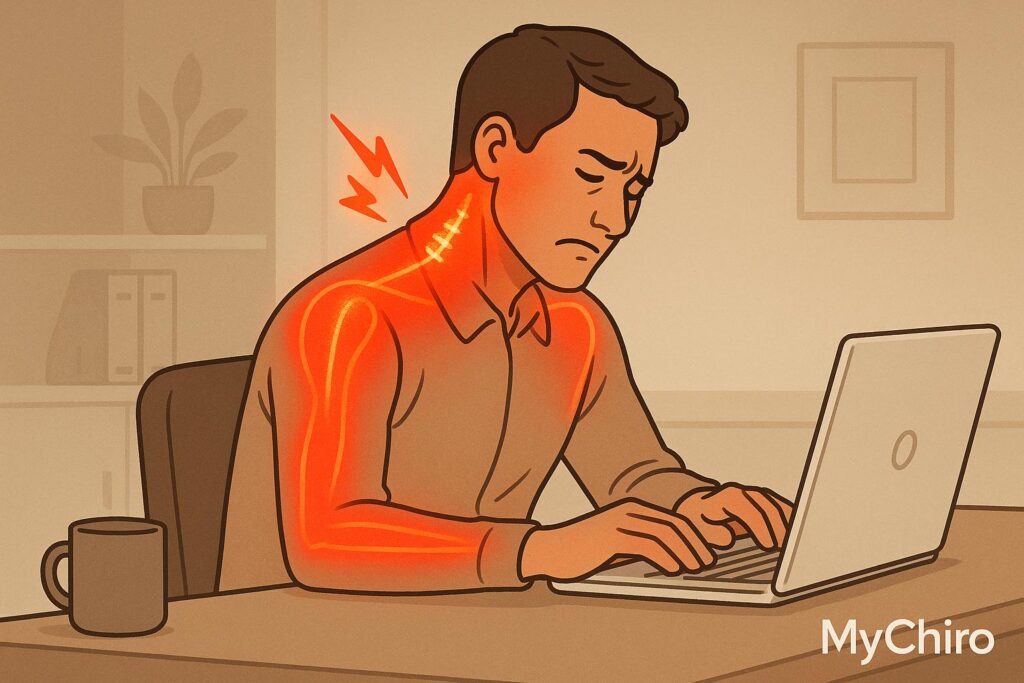

Stress is a common trigger that can contribute to muscle tension, discomfort, and recurring headaches. When stress affects the neck, shoulders, and scalp muscles, it may lead to tension headaches that interfere with focus, productivity, and daily comfort. Here is an overview of the connection between stress and tension headaches:
Understanding the Connection
Stress causes muscles to contract instinctively; muscle tension is a protective mechanism that prepares the body for physical action. When the brain perceives a threat, it releases specific hormones into the bloodstream. Prolonged stress leaves these muscles in a constant state of contraction; this may restrict blood flow to the head and neck and cause headaches. The neck and shoulder muscles are particularly vulnerable to stress-induced tightness. Poor posture compounds the effects of stress, and it places extra strain on the cervical spine.
Identifying Headache Triggers
Various environmental and lifestyle factors contribute to the onset of tension headaches. Patients must examine their habits to identify these specific variables. Here are some of them:
- Poor posture is a major factor. Sitting with a forward-head position strains the neck muscles, and the resulting structural imbalance can directly refer pain to the forehead.
- The body requires adequate fluid levels to function properly. A lack of water may slightly shrink brain tissue, and this physical shift pulls on the surrounding pain receptors.
- Sleep deprivation poses another significant risk. Lack of sleep lowers the body’s pain threshold and leaves the brain more susceptible to stress.
- Caffeine withdrawal affects blood vessel constriction. Skipping a daily coffee causes these vessels to dilate rapidly, and the sudden expansion can increase the pressure of blood flow.
Tracking these specific variables provides helpful data for a proper medical diagnosis. Patients should document these occurrences, and the physician can use this record to develop an effective treatment plan.
Tracking Symptoms and Daily Impact
Tension headaches present with specific signs that differentiate them from migraines. The pain generally remains mild to moderate, and it rarely causes nausea or visual disturbances. Although the symptoms are less severe than migraines, they still require proper medical attention. Patients usually describe a pressing or tightening sensation on both sides of the head.
The ongoing discomfort often reduces workplace productivity and impairs concentration. If this pattern continues unchecked, it can degrade a patient’s overall quality of life. Recognizing the early warning signs helps patients manage the condition proactively. They can apply a warm compress to the affected area; when the muscles relax early, the vascular pressure stabilizes naturally.
Incorporating Relief and Prevention Habits
Clinical management of tension headaches requires adjusting daily routines and applying targeted therapies. Here are some practical changes doctors often recommend to minimize the frequency of these episodes:
- Gentle neck stretches may relieve accumulated muscle stiffness. Patients can perform these movements at their desks, and they take only a few minutes to complete.
- Maintaining optimal fluid levels supports healthy vascular function. Patients should aim for eight glasses of water daily and increase this amount in hot weather.
- Proper workstation alignment reduces the physical load on your cervical spine. Position your computer monitor at eye level, and make sure your chair supports your lower back.
- Continuous mental focus tires the brain quickly. Individuals must step away from demanding tasks periodically to reset the nervous system.
Implementing these clinical recommendations can build a strong defense against chronic headaches.
Schedule Your Consultation for Headaches
Stress maintains a documented clinical relationship with tension headaches. High psychological pressure causes sustained muscle contraction, which directly generates head pain. Patients must review their lifestyle habits to identify their specific pain triggers. Maintaining proper hydration and posture can serve as a fundamental defense against these episodes. Contact a qualified pain management specialist near you to schedule your consultation for headaches today.