
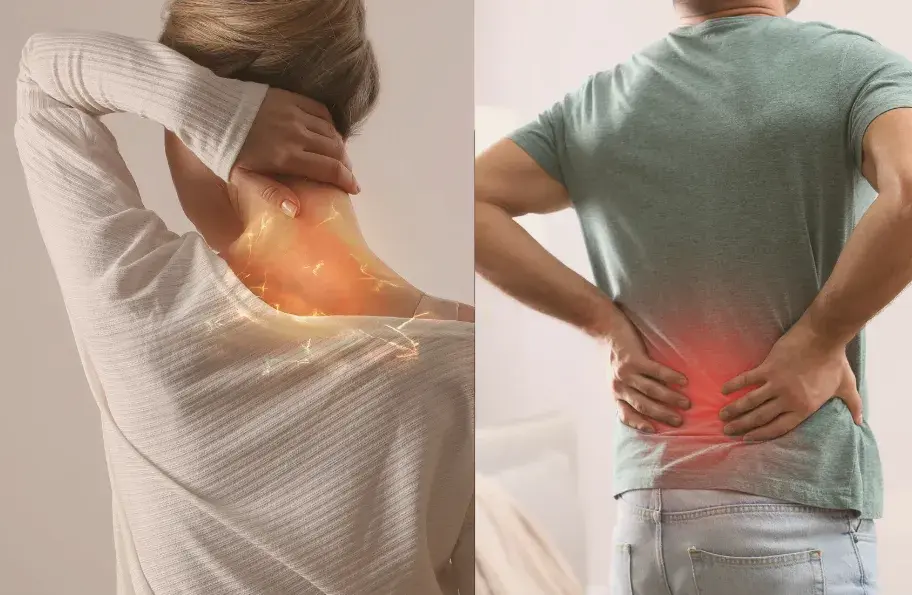

Lower back pain often develops when physical stress builds faster than the body can adapt. Work tasks, exercise habits, posture, and repeated lifting can all raise that stress. When this happens, muscles tighten, joints move less well, and tissues become irritated. Understanding this link helps you spot patterns, so make useful changes.
What Causes Lower Back Pain?
Physical stress is the load placed on the body during movement, work, and daily tasks. Some load is normal, but an excessive load can cause lower back pain. When lifting, bending, or standing repeatedly, the tissues work harder and may not recover well. Load also increases with awkward positions, sudden force, or long periods without rest. A heavy object may strain the back, but repeated light lifts can also create stress. Poor movement patterns add stress, and weak support muscles can make that stress-induced pain worse.
How Does Stress Affect Function?
When physical stress increases, the lower back may respond with stiffness, soreness, or reduced range of motion. These changes affect how you walk, bend, and lift. If stress continues, other areas compensate, and movement may become less efficient. You may notice changes in daily movement, such as:
- Shorter steps during daily walking
- Slower transitions between positions
- Less control during simple tasks
- More effort during standing, reaching, and turning
- Stiffness after work or exercise
- Pain during bending or lifting
- Reduced daily range of motion
- Fatigue during routine movements
These signs do not explain every case, but they help you identify patterns that deserve closer attention.
What Treatments Help?
Treatment often focuses on reducing strain, improving movement, and building support. The right approach depends on your symptoms, activity level, and movement limits. A structured plan can help address both pain and the physical stress behind it. Treatment goals often include improved movement quality. Your plan may attempt to reduce tissue load, and they allow greater consistency in tolerance for daily tasks. Care plans also aim to improve joint motion, muscle control, and coordination during bending, lifting, and walking. When these areas improve, the lower back may better distribute forces during routine activity.
Providers often start by identifying movements that increase strain, and they look for limits in strength, mobility, and control. They sometimes assess posture, because each factor can affect back stress. Recovery patterns matter, and sleep, rest breaks, and activity pacing shape the plan. Early treatment may focus on reducing aggravating movement, but it should also support safe activity. As symptoms change, the plan builds endurance and improves task-specific movement. This stepwise approach matches treatment to current function, and it allows gradual increases in load. Clear goals help you track progress. They adjust activity without adding avoidable stress.
Treat Lower Back Pain Today
Physical stress and lower back pain are often linked through movement, load, and recovery. When stress builds without enough support, the lower back becomes less efficient and more sensitive. Start by tracking when pain appears, and note how your back responds after rest. Small changes in movement and treatment can help reduce that strain.