
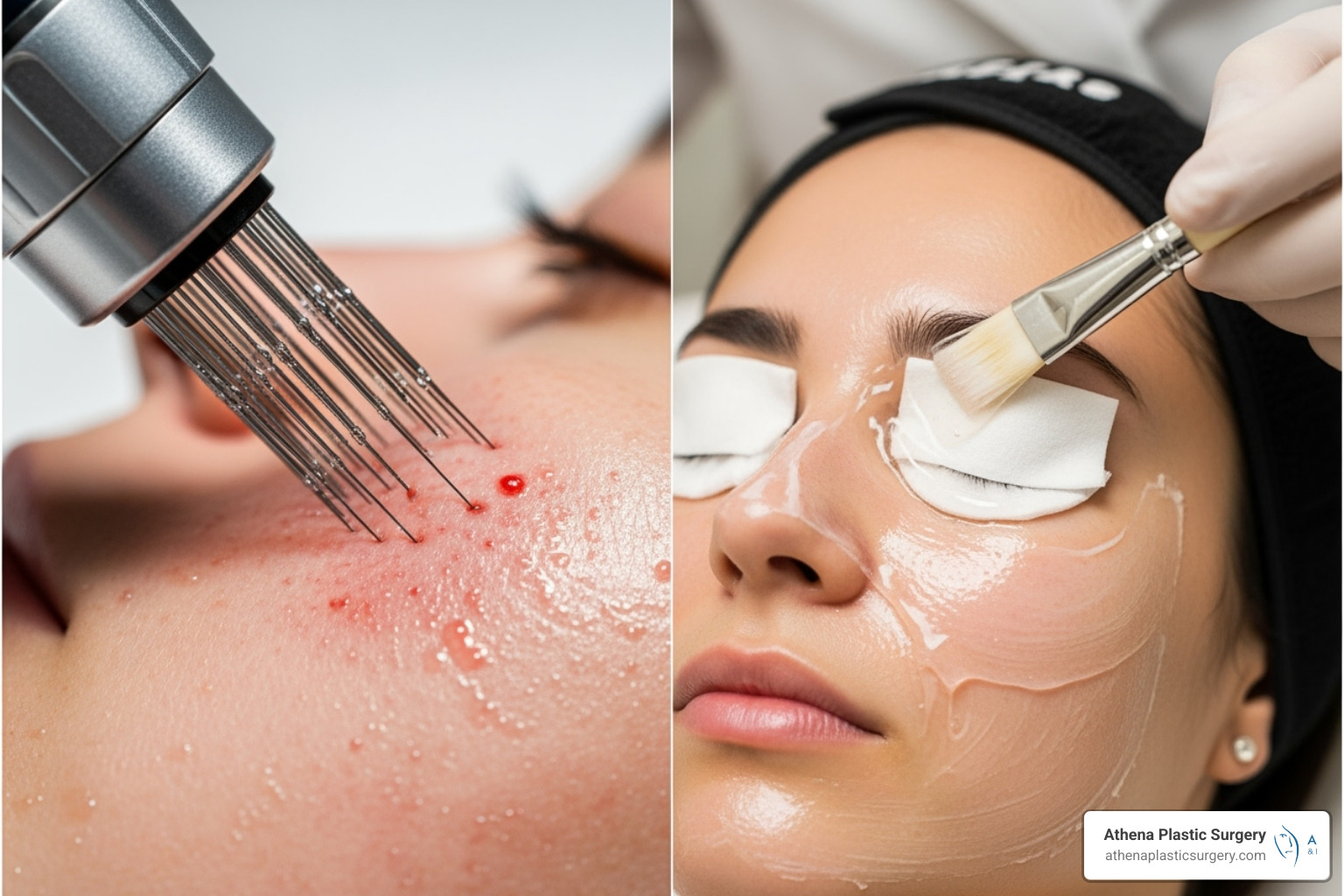

Dermatology is a specialized branch of medicine dealing with the management of diseases affecting the skin, hair, and nails. Trained physicians diagnose these medical conditions, and they prescribe medications and offer support for their patients. Dermatologists also provide treatment for aesthetics for skin, even if a patient does not have a specific diagnosable condition. Because the skin is the primary barrier against environmental hazards, maintaining skin health requires careful medical care.
Medical Treatments
When patients have inflammatory conditions like cystic acne or chronic eczema, a dermatology office evaluates the person for genetic and environmental causes for these conditions. Doctors often review family medical history to understand any hereditary links. These medical professional often recommend medicated ointments, or they prescribe oral medications to treat systemic issues affecting their patients. Depending on the condition, they may recommend in-office treatment sessions as well.
For more severe conditions like skin cancer, doctors perform visual inspections for potentially malignant indicators. Dermatologists use special magnifying tools to see the skin more closely, and they often detect early anomalies before they become a severe issue. If part of the skin looks suspicious, they perform a diagnostic biopsy of the cells to study further. The doctor can then create a treatment plan for the future if needed.
Aesthetic Treatments
Dermatological offices often provide various cosmetic procedures to address signs of aging, sun damage, and hair appearance. Although these treatments do not treat illnesses, patients can request them to adjust their physical appearance. Clinics utilize laser therapies to reduce pigmentation variance or unwanted hair, and they administer botulinum toxin injections to minimize wrinkles for those interested.
Because ultraviolet radiation from the sun degrades collagen in the skin over time, doctors use medical peels and facials to remove the damaged outer layers of skin. Practitioners apply specialized formulas to the face. The areas where the skin was treated begin to flake off, and newer skin takes its place.
Dermal fillers add temporary volume to specific regions, and medical staff injects these substances into tissue layers. Patients may experience some swelling after the procedure, but a physician can offer methods to make the experience more comfortable. Since the body eventually metabolizes these fillers, the modifications made by the fillers may need to be repeated in the future. A dermatologist can offer a timeline for when to schedule future appointments.
Skin Health
General skin health is another concern dermatology experts address. Daily practices play a major role in maintaining skin barrier function and preventing infections. Doctors often recommend sunscreen to block UV rays, and they can offer methods to avoid excessive sun exposure during prolonged outdoor activities. Because sun exposure alters cellular DNA, consistently following a sun-protection plan reduces the risk of future skin cancer.
Other factors that may be helpful for skin health are regular cleaning and moisturizing. Hydration in the skin helps to preserve elasticity and support the skin’s barrier, so drinking water and using a proper moisturizer aid in these goals. A mild cleanser removes accumulated dust and dirt without stripping the skin of natural health components. Since skin health influences many health factors, doctors can help prescribe skin care methods that are tailored to each patient’s skin type.
Make a Dermatology Appointment
If you experience chronic skin conditions or would like to learn about aesthetic procedures, contact a dermatology office. A dermatologist can evaluate current factors affecting your skin health, and they may prescribe a personalized skin care plan. Contact a dermatologist to begin treatment today.