
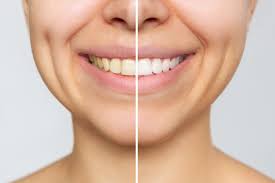

Teeth whitening is a cosmetic dental treatment used to lighten stains and discoloration on natural teeth. Whitening methods range from toothpaste to in-office procedures, and each works at a different strength. When people have sensitive teeth, product choice and timing affect comfort during the process. Here is some information about teeth whitening for sensitive teeth:
Recognizing Tooth Sensitivity
Tooth sensitivity can cause discomfort or pain when consuming hot, cold, sweet, or acidic foods and drinks. It occurs when enamel wears down or gums recede; this leaves the dentin beneath the enamel more exposed. Dentin contains tiny pathways that connect to the nerve inside the tooth.
Sensitivity is not the same in every case. One person may notice a brief sting after ice water, but another feels discomfort during brushing. Whitening products sometimes increase these reactions because peroxide moves through the tooth surface. If you already feel sensitivity during daily routines, that is useful information before starting any whitening plan. If pain is severe or affects one tooth more than the others, a dental exam helps rule out underlying issues such as decay or nerve damage.
Selecting Teeth Whitening Products
Not all whitening products are a good match for sensitive teeth. Lower-peroxide formulas are often a more practical starting point because they expose the teeth to a lower bleaching strength. Products labeled for sensitive teeth may also include potassium nitrate or fluoride, and these are often used to reduce discomfort.
Whitening toothpaste works on surface stains and is usually milder than strips or gel trays. Whitening strips are easy to find, but some people report more sensitivity because the peroxide sits directly on the teeth for a set time. Custom trays from a dentist give more control over fit and contact area, which may reduce gel contact with the gums. A checklist helps when comparing options:
- Look for a lower peroxide concentration
- Check for added desensitizing ingredients
- Avoid products with poor tray fit or loose gel
- Read the time instructions closely
- Stop using products that cause lingering pain
Managing Sensitivity During Whitening
Sensitivity is a common concern with teeth whitening, but there are ways to minimize discomfort. During in-office whitening, sensitivity is usually managed by adjusting the concentration of the whitening gel or modifying how long it is applied to the teeth. Professional supervision allows the treatment to be paused or broken into shorter intervals if teeth begin to feel sensitive. This helps maintain comfort while still achieving effective results.
Post-treatment, some sensitivity is expected but usually temporary. Patients may be advised to take breaks between whitening sessions if multiple appointments are planned; this allows the teeth to heal between applications. Some dentists apply a desensitizing agent after treatment to help calm the nerves and reduce post-whitening sensitivity. Avoiding extreme temperatures and practicing gentle oral care helps the teeth recover while maintaining a bright, refreshed smile.
Visit a Cosmetic Dentist
Sensitive teeth don’t prevent whitening treatments, but they do change how the process should be approached. A cosmetic dentist will check for gum recession and enamel wear before any whitening method is used. This helps determine whether the discomfort is due to routine sensitivity or another dental issue. If you want whiter teeth and have a history of sensitivity, schedule a consultation with a cosmetic dentist today to discuss treatment options.