
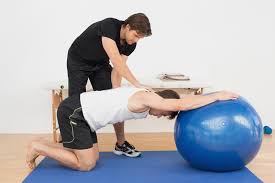

Physical therapists work with people who have pain, injury, or movement limits, and they use tested methods to support recovery. They assess strength, motion, and balance, and they build treatment plans for daily function. Since rehabilitation needs differ by condition, many physical therapists focus on specific areas of practice. Here are some areas of specialization in physical therapy:
Pain Management
Pain management physical therapists address pain linked to surgery, injury, arthritis, and nerve problems. They examine movement patterns, and they look for joint limits or muscle weakness. When pain changes how a person moves, treatment typically targets both symptoms and mechanics.
A physical therapist can use several approaches in one plan, and each method serves a clear purpose. Standard tools include:
- Exercise for strength and control
- Therapy for joint or soft tissue restriction
- Education on posture and body mechanics
Since pain may rise during walking, lifting, or sitting, treatment typically includes task-based training. A therapist may adjust exercise dosage, and the patient tracks symptom patterns. Short sessions with steady progress help guide later decisions.
Gait Analysis
Gait analysis focuses on how a person walks, and it breaks movement into measurable parts. Therapists watch step length, foot placement, and trunk motion. When walking becomes uneven after a stroke, fracture, or joint disease, these details shape the treatment plan.
Some clinics use simple observation, and others use video or pressure systems. A therapist may track:
- Cadence
- Stride length
- Time on each leg
As poor gait typically reflects weakness or poor timing, treatment targets the source of the problem. Therapists may train weight shift, and they may adjust footwear or assistive devices. Clear walking goals keep the plan focused.
Massage Therapy
Massage therapy in rehabilitation targets soft tissue, and it differs from spa massage in purpose. Physical therapists use it to address muscle tension, scar mobility, and local tissue sensitivity. When used in treatment, massage supports movement work rather than replacing it.
A session may include trigger point work, and it may include light tissue mobilization near a healing area. Some patients tolerate only brief contact. As tissue irritability varies by condition, the therapist changes pressure and duration with care.
Massage typicallyappears before exercise, and that order may reduce guarding during movement. Therapists monitor skin response, and they ask about symptom changes during the session. When pain rises or motion drops, the plan shifts at once.
Flexibility Exercises
Flexibility exercises target joints and soft tissue, and they aim to improve available motion. Therapists test muscle length and joint range first. Since stiffness may follow casting, surgery, or long rest, stretching plans match the cause of restriction.
Static stretching is one option, and dynamic movement is another. A therapist may prescribe hamstring stretches, calf work, or thoracic rotation drills. When a joint has swelling or poor control, timing and intensity matter. Home programs often include short routines, and they fit into daily schedules.
Visit a Physical Therapist
Physical therapists use different specialties in rehabilitation, and each one addresses a distinct movement problem. Pain management, gait analysis, massage therapy, and flexibility work typically overlap in practice. When symptoms affect walking, work, or daily tasks, an evaluation gives you clear next steps. If you have ongoing pain or movement limits, schedule an appointment with a physical therapist.