
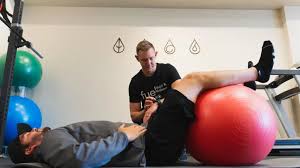

A sport injury affects muscles, joints, ligaments, tendons, or bones during training or competition. Some injuries happen from one sudden event, and others develop as repeated strain builds over time. When pain and swelling start, early rehabilitation helps direct the next steps. Here are some practical ways to reduce pain, restore movement, support the injured area, and return to activity with care:
Reducing Pain
Pain typically appears first, and it may limit walking, lifting, or balance. You need a clear plan, because uncontrolled pain may change how you move. Rest the injured area for a short period. Use ice for 15 to 20 minutes at a time, and keep a cloth between the skin and the pack.
Compression wraps help control swelling, but they must not block circulation. If the area throbs or becomes numb, loosen the wrap at once. Elevate the injured limb above heart level when possible after a sport injury. Pain medicine may be used in some cases, although dosage and timing need review from a clinician.
A basic pain-control routine often includes:
- Ice at set intervals
- Compression techniques
- Rest periods
- Symptom tracking
Restoring Mobility
Stiffness develops quickly after an injury, and delayed movement often makes daily tasks harder. Start with a small, controlled motion if a clinician has ruled out fracture or major tissue damage. Gentle ankle circles, heel slides, and shoulder pendulum movements are examples. Move only through a pain-limited range.
You may notice that one direction feels blocked, but another feels manageable. This pattern helps identify where tissue tightness or joint restriction exists. Use slow repetitions. When swelling drops, range-of-motion work is often better tolerated.
Progress works well when you add mobility in stages, and rushed movement often irritates healing tissue. A simple sequence is useful:
- Begin with assisted movement
- Add active movement
- Increase range in small steps
Bracing and Taping
Braces and tape support an injured area, and they help limit motion that may aggravate symptoms. A lace-up ankle brace is often used after a sprain. Athletic tape may guide joint position while activity resumes. Fit matters because poor support changes movement patterns.
Some devices are worn only during sport, while others are used during daily tasks. If the brace slips or pinches, adjust it before the next session. Skin irritation should be checked. A clinician may recommend a specific type when the joint remains unstable.
Exercising Gently
Light exercise maintains function, and it helps you reintroduce load without abrupt stress. Begin with low-impact work after pain and swelling settle to a manageable level. Stationary cycling, pool walking, and controlled bodyweight drills are common starting points. Keep intensity low.
You might feel mild soreness after activity, but sharp pain signals that the load is too high. Stop the session if limping, weakness, or loss of control appears. Use short sessions and planned rest days. Gradual increases reduce the chance of repeated irritation.
Strength work should match the injured body part, and it needs steady progression. Calf raises suit many ankle injuries because they rebuild lower-leg strength through a controlled pattern. Hip bridges, wall sits, and resistance-band drills are also used. When form breaks down, end the set.
Address a Sport Injury
Recovery takes time, and each stage needs a measured approach. Reduce pain first, restore movement next, support the area when needed, and add exercise in small steps. Watch for swelling, instability, or rising pain because those signs may require reassessment. If you are dealing with a sport injury, schedule an evaluation with a qualified medical or rehabilitation professional and start a structured recovery plan.