
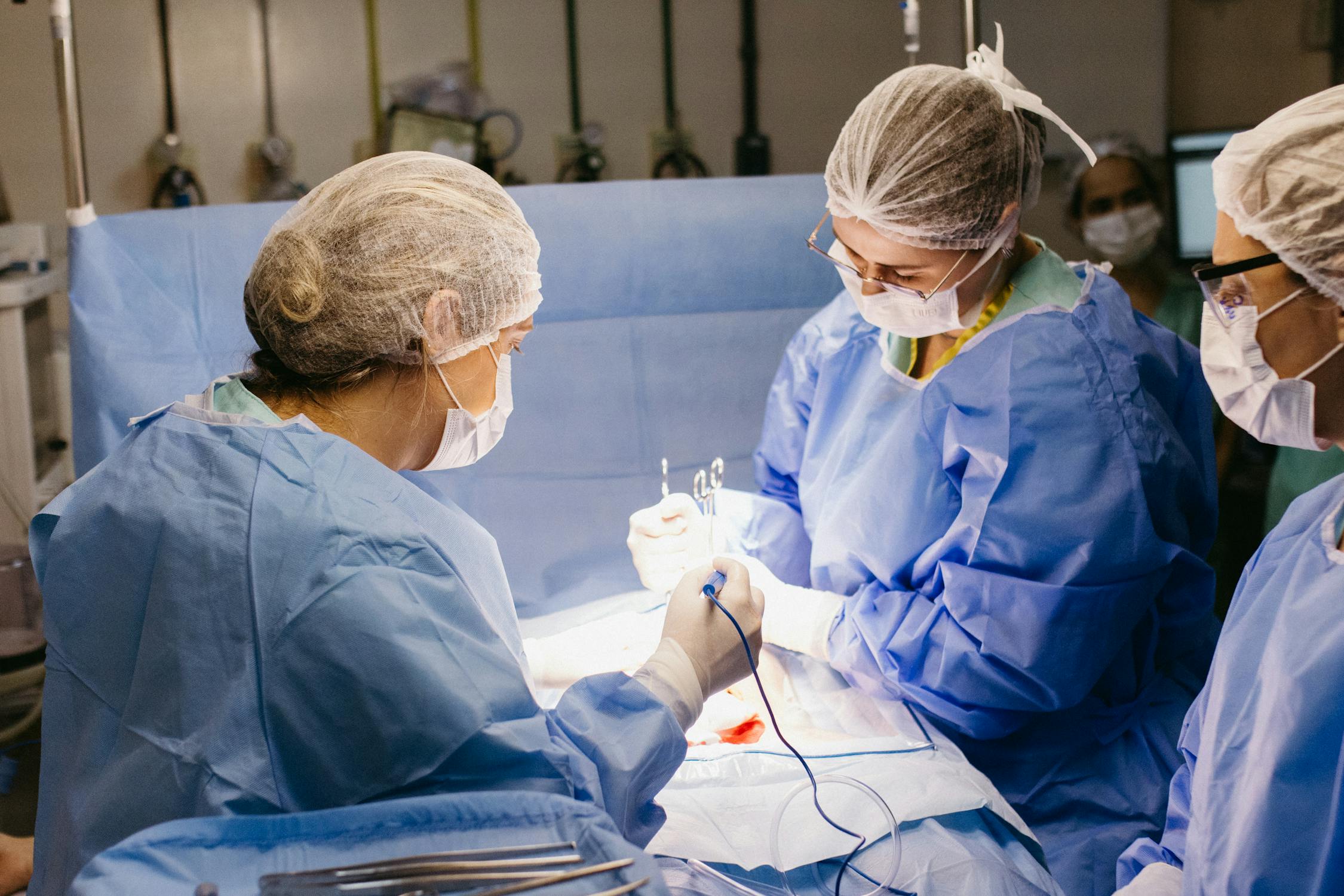

Unusual lumps on the body are sometimes identified as cysts. Observation serves as the standard initial approach for many benign tissue anomalies. Physicians monitor the size and shape of the mass, and they record any symptomatic changes during follow-up visits. When the clinical presentation shifts significantly, a surgical assessment determines the next appropriate phase of patient care.
What Are Cysts?
Cysts function as closed sac-like structures within the bodily tissues. They can contain fluid, air, or other clinical materials, and they vary significantly in size. While some of these formations remain benign, medical professionals monitor them for potential complications.
The outer wall of the sac consists of specialized cellular tissue, and this lining actively secretes fluid into the central cavity. The ongoing accumulation slowly expands the entire structure. Unless a medical procedure disrupts this membrane, the formation will typically maintain its general shape and composition.
What Are the Different Types?
Medical classification divides these growths into several distinct categories based on their anatomical location.
- Epidermoid: These form just underneath the skin and commonly appear on the face, neck, or trunk.
- Sebaceous: These arise from the glands that secrete oily matter.
- Ganglion: These frequently develop along the tendons or joints of the wrists and hands.
- Ovarian: These occur within the female reproductive system.
Although many types exist, a clinical biopsy provides the definitive identification of the specific cellular structure.
What Causes Them?
The underlying mechanisms behind these formations depend on the specific type of growth. Genetic anomalies can trigger their development, and inherited conditions sometimes cause multiple cysts to form throughout the body. Cellular blockages trap fluid within the tissue spaces, impairing normal physiological drainage over time. Parasitic infections represent another cause for specific types of cystic lesions, and tapeworms can migrate into muscle tissue.
What Are the Symptoms?
Clinical presentations vary depending on the sac’s anatomical location. Some patients experience noticeable pain or discomfort, and others observe a visible lump under the skin. If a cyst becomes infected, the surrounding area typically exhibits redness, swelling, and increased warmth.
Internal cysts present differently from superficial dermal formations, necessitating a proper medical evaluation. These deeper growths often produce no immediate physical signs, but they can press against adjacent organs as they enlarge. When an internal cyst ruptures, the patient usually experiences sudden, sharp pain in the affected region.
Routine imaging scans can detect asymptomatic internal masses. The radiologist can note the precise dimensions of the fluid pocket, which a physician reviews with the patient. These incidental discoveries cause no physical trauma, and doctors may recommend periodic observation rather than immediate intervention.
When Is Surgical Intervention Required?
Some small formations resolve without medical treatment over several months. Physicians will recommend surgical removal if a cyst becomes infected, and they will drain the cavity to prevent further complications. Since rapid growth indicates potential malignancy, doctors surgically extract changing masses for pathological testing.
Structural interference provides another reason for operative procedures. A cyst may compress a nearby nerve or restrict blood flow to surrounding tissues. If a patient experiences functional impairment due to the mass, a surgeon will operate to restore normal anatomical function. Surgeons use minimally invasive techniques to treat internal growths, and they may perform simple excisions for superficial dermal lesions.
Consult a Surgeon Today
Medical evaluation accurately determines the precise nature of any newly discovered bodily growth. A clinical consultation provides specific diagnostic information, and it establishes a clear plan for potential treatments. If you notice any suspicious changes in a lump, schedule a consultation with a surgeon.