
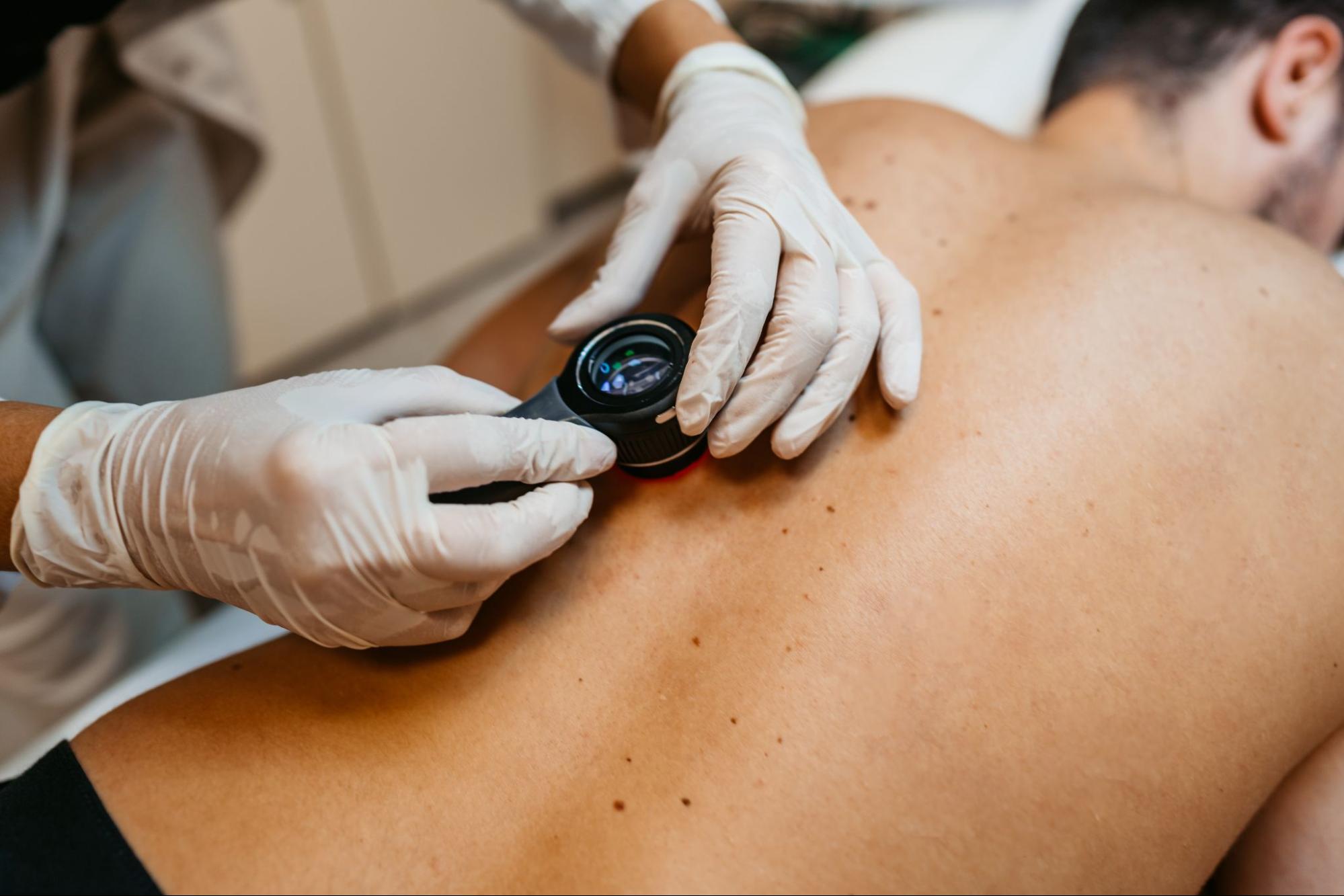

Skin cancer treatments require precise medical interventions. Doctors can utilize specific techniques designed to target only affected areas, preserving healthy surrounding tissue. Understanding the steps involved in Mohs surgery and knowing the necessary aftercare protocols helps individuals navigate their recovery with clarity.
What Is Mohs Surgery?
Medical professionals utilize Mohs surgery to address various forms of skin cancer. The primary objective is the complete removal of malignant cells and leaving the maximum amount of healthy tissue intact. It remains a standard approach for treating these lesions, typically those located on the face or other highly visible areas. This strategy keeps incisions minimal and helps reduce subsequent scarring.
What Should You Expect?
Patients usually undergo this procedure in an outpatient setting. The medical team can begin by administering a local anesthetic to numb the region surrounding the lesion. Once the area is numbed, the physician excises the visible portion of the skin lesion and sends this specimen to an on-site laboratory for immediate microscopic review. During the waiting period, the patient rests in a waiting room, and the excised cells are examined.
If the lab results show that malignant cells extend beyond the initial excision, the patient returns to the surgical chair, and additional tissue is removed. Upon achieving clear margins, the physician closes the surgical site. The total duration of the visit varies depending on the number of tissue layers required for complete removal.
What Does Recovery Involve?
Proper wound management promotes optimal healing after the surgical site is closed. The medical team will provide specific instructions tailored to the individual’s situation. Patients may leave the clinic with a dressing applied to the wound. After the designated period, individuals must clean the wound regularly. This may involve gently washing the area with mild soap and water, followed by the application of a recommended topical ointment to keep the site moist. A moist environment can facilitate tissue repair and minimize scab formation. Patients should then cover the area with a fresh, sterile bandage.
Managing physical activity is another component of the recovery phase. Doctors may recommend avoiding strenuous exercises, heavy lifting, or activities that stretch the surgical site for at least one week. Limiting physical exertion helps prevent bleeding and supports the structural integrity of the stitches. Mild discomfort, swelling, and minor bruising are expected occurrences. Applying an ice pack near the site can help alleviate swelling. If pain persists, individuals should consult their physician regarding appropriate over-the-counter pain relief options.
Speak Further With a Dermatologist
Regular monitoring is a standard part of long-term care, since individuals with a history of skin cancer face a higher probability of developing new lesions. Scheduling routine full-body skin examinations allows medical professionals to identify any new concerns and address them promptly. Anyone noticing unusual changes in their skin, persistent bleeding, or signs of infection at the surgical site should contact their healthcare provider right away. Reaching out to a specialized medical professional provides the most reliable guidance for managing personal health outcomes and maintaining skin wellness.