
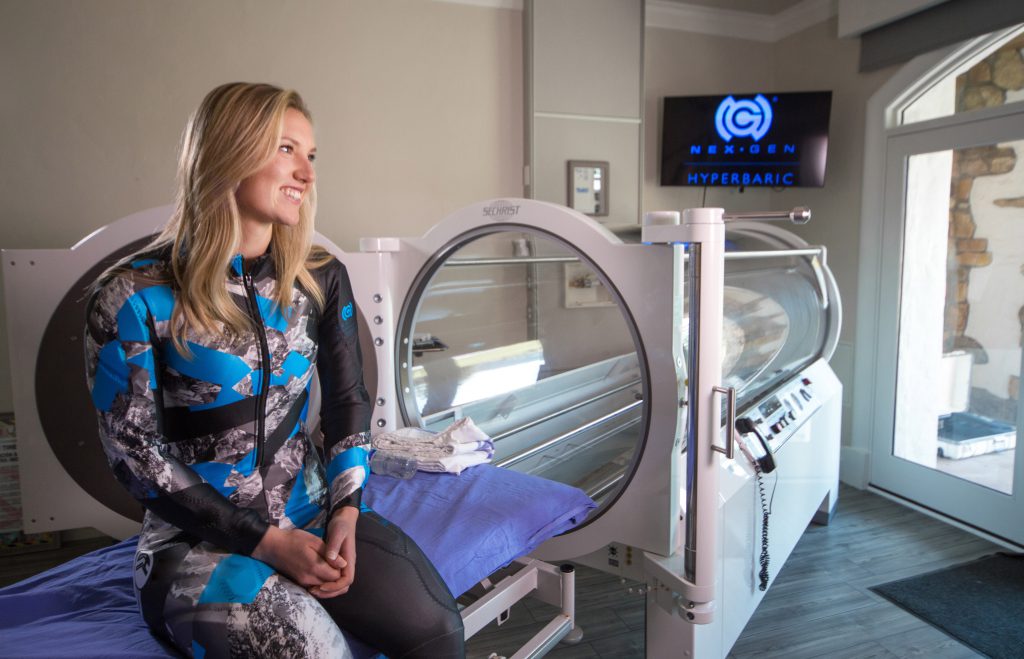

Recovery after surgery takes time, since the body needs the right conditions to heal. Oxygen plays a central role in that process, and delivering it effectively can make a difference. Hyperbaric therapy (HBOT) is one approach that medical teams may incorporate into post-operative care plans.
Explore Hyperbaric Therapy
Hyperbaric therapy involves breathing pure oxygen inside a pressurized chamber. The chamber raises atmospheric pressure to two or three times the normal level. The increased pressure allows oxygen to dissolve more thoroughly into the bloodstream, while delivering higher oxygen concentrations to body tissues. Tissue repair depends on adequate oxygen supply, so this mechanism is clinically relevant after surgery.
A full course of treatment can range from a handful of sessions to several weeks, depending on case complexity. You simply breathe normally inside the chamber while pressure does the work. Your care team will explain what to expect before your first session. They monitor you during each visit, and they adjust the plan based on your recovery.
Support Surgical Wound Healing
The body works to close and repair the surgical wound. Tissue regeneration requires a steady supply of oxygen, and disruptions to that supply can delay healing. Adequate oxygen delivery to the wound site supports new tissue growth, and it may help reduce the risk of infection. When standard wound care is not producing the expected results, HBOT is sometimes introduced as a supplementary treatment. Your provider will discuss how:
- Oxygen supports new tissue growth and helps lower infection risk at the wound site.
- HBOT may be added when standard wound care is not achieving expected results.
- Swelling after surgery restricts circulation, which limits oxygen delivery to healing tissue.
- HBOT can be paired with surgical or chemical debridement to improve tissue response.
Swelling is a common response after surgery, and it can create obstacles for recovery. Swelling around a surgical site limits circulation. Reduced circulation limits oxygen delivery, and that combination can slow healing. Managing swelling is a step in post-operative wound care, since HBOT may help by improving oxygen availability at the cellular level. Wound care after surgery often involves multiple steps and interventions working together.
Manage Complex Post-Operative Cases
Some post-operative cases are more complex, and they need a layered care approach. A single surgery affects multiple tissue layers, and recovery in these cases takes careful planning. Trauma and burn injury cases involve significant tissue damage that extends beyond the surgical wound. HBOT may be used in these situations because oxygen-rich environments support tissue regeneration. Higher oxygen levels may also help reduce infection risk in compromised areas.
Discuss Hyperbaric Oxygen Therapy Today
Post-operative recovery is a process, and having access to the right tools matters. Hyperbaric therapy may offer support for surgical wound healing, tissue repair, and complex recovery cases involving trauma, burns, or skin grafts. It works best when integrated into a comprehensive wound care plan designed around your specific needs. Speak with your healthcare provider to find out whether HBOT is a suitable option for your recovery, while asking how it might fit alongside your current treatment plan.