
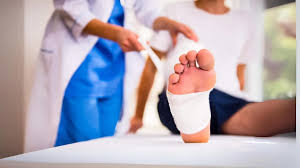

When an individual sustains a cut, scrape, or ulcer that fails to heal within a standard timeframe, specialized medical intervention becomes necessary. The field of wound care focuses on assessing, managing, and healing lesions that do not resolve on their own. Medical professionals who specialize in this discipline possess the training to handle complex cases and provide treatment that standard first aid cannot resolve.
What Is Wound Care?
Wound care involves a comprehensive approach to diagnosing and treating injuries that penetrate the skin barrier and fail to heal normally. A wound care specialist evaluates the size, depth, and overall condition of the affected area to determine the most effective treatment protocol. Seeking this specialized care is typically necessary when a lesion remains open for more than four weeks. Patients should seek medical evaluation if they notice signs of infection, which include increased redness, swelling, warmth, or discharge. Individuals with underlying health issues might need expert attention for even minor cuts or abrasions. Prompt intervention helps prevent complications and limits the risk of severe infections spreading to surrounding tissues or bone.
Who Is It For?
Specific medical conditions impair the body’s natural healing processes, making individuals more susceptible to chronic ulcers. A specialist routinely assesses patients with these underlying diseases and identifies the root cause of the delayed healing. Elevated blood glucose levels damage blood vessels over time. This damage restricts the flow of oxygen and nutrients to the extremities, particularly the feet. Minor scrapes can escalate into deep ulcers because the tissues lack the necessary resources to repair themselves.
Circulatory system disorders may impede the healing process. Chronic venous insufficiency causes pressure to build up in the veins of the lower legs, forcing fluids into surrounding tissues and causing the skin to break down. Peripheral artery disease involves the narrowing of arteries due to plaque buildup, which severely limits blood flow and deprives the skin of oxygen. Both conditions may result in stubborn ulcers around the ankles and lower legs.
How Are Wounds Treated?
Wound care specialists offer a variety of services tailored to the specific needs of each patient. These treatments range from non-invasive therapies to advanced surgical procedures designed to facilitate tissue repair. Removing dead or infected tissue is a primary step in the healing protocol. This process, known as debridement, cleans the wound bed and prepares the area for healthy tissue growth. Specialists use specific instruments to excise damaged areas, and they might prescribe oral or topical antibiotics to eliminate bacterial growth.
Advanced Therapies
After thoroughly cleaning the affected area, a specialist can apply advanced medical dressings designed. Treatment plans may include therapies such as vacuum-assisted closure; this uses negative pressure to draw edges together. The application of restorative cell treatments can be used to accelerate tissue regeneration.
Surgical Interventions
Surgical intervention becomes a potential course of action for severe cases. A surgeon might perform skin grafting and transfer healthy skin from another part of the body to cover the open area. Flap reconstruction offers another option by moving skin along with its underlying blood supply to close the defect. Surgeons might also use external fixation devices to stabilize the foot or ankle, preventing movement that could disrupt the healing tissues.
Consult a Wound Care Specialist
Chronic ulcers require a medically supervised approach to achieve full resolution. Engaging a wound care specialist early in the process minimizes risks and promotes better health outcomes. These medical professionals can also offer preventative education, teaching patients how to conduct daily foot inspections and select appropriate footwear to avoid future injuries. Seeking expert guidance promptly safeguards your overall well-being and helps restore your mobility and comfort.