
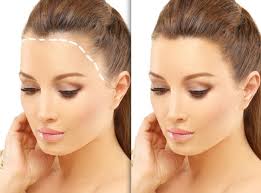

Hair loss in women may develop from genetics, hormonal changes, or medical treatment. Hair transplant moves hair follicles from a donor area, typically the back or sides of the scalp, to areas with reduced density. Not every pattern of hair loss is suited to transplant, so diagnosis and scalp evaluation come first. Here are some hair transplant options for women:
Follicular Unit Transplantation
Follicular Unit Transplantation (FUT) uses a strip of scalp taken from the donor area. A surgical team divides the strip into small grafts, and each graft contains one to four hairs. After the grafts are prepared, they are placed into tiny recipient sites that are designed to match the direction and angle of nearby hair.
This method often works well for women with longer hair and stable donor density. Because many grafts can be prepared from a single strip, FUT is often used when broader coverage is planned. It does leave a linear scar in the donor area, so hairstyle habits and scalp laxity are part of the discussion.
Recovery varies by patient and technique, and early healing may include tightness or mild soreness in the donor area. Stitches or staples are sometimes used, depending on the surgeon’s approach. You may also hear about temporary shedding of transplanted hairs before new growth appears.
Follicular Unit Extraction
Follicular Unit Extraction (FUE) removes follicular units one by one with a small punch tool. Instead of a strip incision, many tiny extractions are removed from the donor area. Those grafts are sorted and implanted into thinning areas, and the pattern should fit the treatment plan. Donor management matters with this method. If too many grafts are removed from a single zone, the density in the donor area may appear uneven. Hair curl, color contrast, and the width of the thinning area also affect planning.
Some women prefer FUE for hair transplant because it avoids a single linear scar. Small dot scars remain, though they are often less noticeable when hair is kept at a moderate length. FUE may be used for targeted thinning or hairline work when scalp tightness makes strip surgery a poor fit.
Platelet Rich Plasma
Platelet Rich Plasma (PRP) is not a hair transplant, but it is often used alongside transplant care. The process involves drawing a small blood sample, spinning it in a centrifuge, and preparing a platelet-rich portion for injection into the scalp. The goal is to use components from the patient’s own blood as part of a broader hair restoration plan. PRP is sometimes used before or after transplant procedures, or it might be offered as a stand-alone office treatment for thinning hair. Visit schedules vary. Some practices recommend a series of sessions followed by maintenance visits. Responses differ, and PRP is not a substitute for transplant when follicles are no longer active in a treated area.
Learn More About Hair Transplant
Hair transplant options for women include FUT, FUE, and, in some treatment plans, PRP as a related non-surgical service. Each approach has limitations that are influenced by donor area availability. A medical evaluation identifies the cause and pattern of hair loss, and this allows providers to recommend appropriate treatment options. To learn more about hair restoration options, contact a hair loss clinic today.