
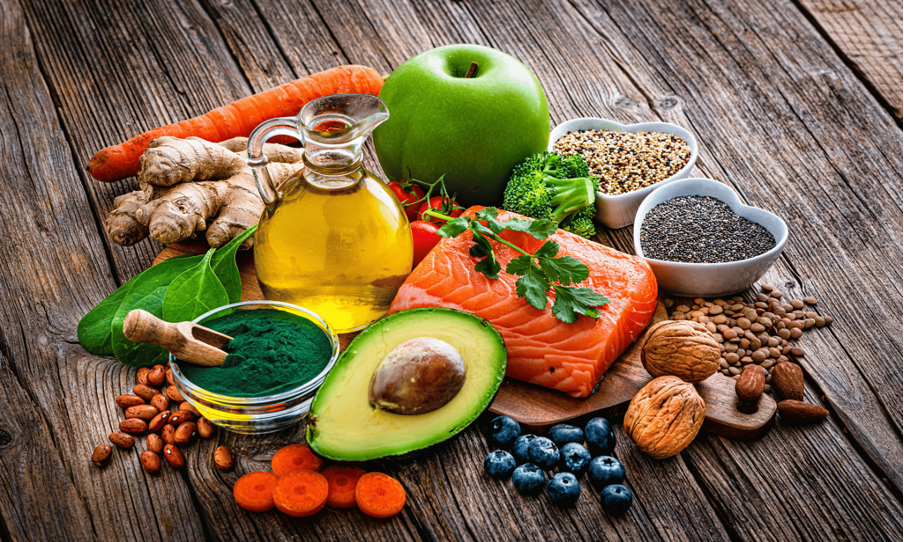

Having high cholesterol means there is too much cholesterol in the blood, affecting blood flow over time. Cholesterol is a waxy substance the body uses to build cells and make certain hormones, but high levels contribute to plaque buildup in the arteries. Diet is a big lifestyle factor that can positively influence cholesterol levels. Here’s information on dietary changes to lower high cholesterol levels and improve overall cardiovascular health:
Making Lifestyle Changes
Some lifestyle changes can significantly improve heart health. Diet and exercise are often key lifestyle factors to address, as small daily habits shape long-term cholesterol patterns. When managing high cholesterol levels, a practical first step is to reduce intake of highly processed foods. Processed foods are often high in saturated fat, added sugar, and refined carbohydrates.
Balanced meals usually include vegetables, fruit, whole grains, beans or lentils, and lean protein sources. These foods help improve overall diet quality while reducing reliance on foods that are less supportive of heart health. Packaged snacks, fried foods, processed meats, and many fast-food meals may make it harder to maintain a balanced eating pattern. Choosing water instead of sugary drinks and planning meals may also help people make more consistent dietary choices. Lifestyle adjustments should be small, meaningful changes, helping daily habits become more health-conscious.
Adding More Soluble Fiber
Soluble fiber is a fiber type that dissolves in water and forms a gel-like substance during digestion; it is found in several plant foods. Adding more soluble fiber to one’s diet is a common approach for cholesterol management. Increasing soluble fiber intake can be a simple change to add to meals and snacks on a regular basis. Oats are among the most common sources of this type of fiber. Oatmeal, oat bran, and oat-based cereals may fit more easily into breakfast times or as snacks.
Beans and lentils are also useful sources of soluble fiber and protein, and they work well in dishes like:
- Soups
- Salads
- Grain Bowls
- Side Dishes
Several fruits also provide soluble fiber, like apples and citrus fruits such as oranges and grapefruit. Barley is another grain that contains soluble fiber and may be used in soups, pilafs, or mixed-grain dishes. Adding these foods gradually may improve an individual’s cholesterol levels with consistency, but drinking enough water is also a key part of eating more fiber.
Reducing Saturated Fats
By replacing saturated and trans fats with healthier options, individuals can take practical steps to improve their overall and cardiovascular health. Saturated fat is commonly found in fatty cuts of red meat, processed meats, butter, cream, full-fat cheese, and many baked or fried foods. Replacing some of these foods with unsaturated fat can improve the overall quality of someone’s diet, making meals more balanced.
Choosing healthier fats, such as monounsaturated and polyunsaturated fats, over saturated and trans fats can significantly impact overall health, particularly heart health. Healthier fats contribute to maintaining optimal levels of HDL (good cholesterol) while reducing LDL (bad cholesterol), which helps lower the risk of cardiovascular diseases. These fats also support major bodily functions, such as hormone regulation, cell membrane integrity, and the absorption of fat-soluble vitamins like A, D, E, and K.
Monounsaturated fats are found in several plant-based foods, from olive oil to various nuts and seeds. Some common examples include:
- Avocados
- Almonds
- Peanuts
- Cashews
- Pecans
- Olives
These foods may be used in place of butter, cream-based spreads, or high-saturated-fat snack foods. Olive oil often replaces butter in cooking, and avocados can replace higher-fat toppings. Polyunsaturated fats include omega-3 and omega-6 fats, which are often found in foods like fish, flaxseeds, chia seeds, and soybeans. These foods add variety to meals, and they can replace foods that are higher in saturated fat.
Effectively Lower Your High Cholesterol
Dietary changes have a large role in cholesterol management, but individual needs vary. A cardiologist can review your health history, risk factors, and lab results to help you make informed choices about your treatment options. If you have concerns about high cholesterol, consult a cardiologist for effective guidance that fits your health status and goals.