
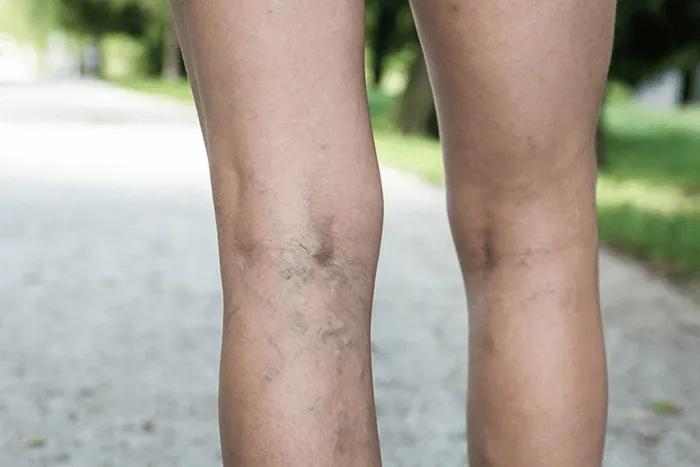

Varicose veins are enlarged, twisted veins that most often appear in the legs. Spider veins are smaller, thin red, blue, or purple vessels that lie closer to the surface of the skin, so they may appear on many body areas. Both can develop when vein valves do not move blood upward as well as they should, causing pressure to build inside the veins over time. Varicose veins are more likely to cause discomfort from fluid pooling, and when they cause pain, they may require medical treatment. Here’s information on varicose vein treatment options and their differences:
Sclerotherapy
Age, family history, pregnancy, prolonged standing, and excess weight are common factors associated with the development of varicose veins. To treat smaller varicose and spider veins, sclerotherapy is often recommended. During this procedure, a clinician injects a solution into the affected vein, and the vein walls react by closing and fading over time. It is performed in an office setting, and the number of sessions needed depends on the size and number of veins being treated.
People may seek varicose vein treatment for visible veins, leg discomfort, swelling, or heaviness. A medical evaluation helps determine whether symptoms are related to surface or deeper vein problems or another condition. Treatment decisions are usually based on vein size, vein location, symptoms, skin changes, and ultrasound findings. Sclerotherapy is often recommended for spider veins and small varicose veins that can be reached with a needle. The skin is cleaned, and a liquid or foam solution is injected into the target vein.
Compression stockings may be advised after treatment, and follow-up visits are often used to assess response. Larger veins may need other methods, but sclerotherapy can still play a role in a broader treatment plan. Varithena is a proprietary injectable foam form of sclerotherapy used for certain abnormal veins, including some larger varicose veins. The foam is delivered through a small needle or catheter under ultrasound guidance and spreads within the vein segment being treated. This approach allows the physician to monitor placement in real time and is one of several minimally invasive vein treatments.
Endovenous Laser Ablation
Endovenous laser ablation treats problematic veins from the inside by delivering laser energy through a thin fiber. It is most often used for larger superficial veins, such as the great and small saphenous veins, when valve failure is present. Valve issues are often due to venous insufficiency, in which valves become damaged as blood pools in the legs. Ultrasound is used to map the vein before treatment and guide the procedure. Here are some common procedural steps to expect:
- A small entry site is made in the skin, and the laser fiber is advanced into the vein.
- A local anesthetic is placed around the vein to reduce discomfort and protect nearby tissue, then controlled heat is applied as the fiber is withdrawn.
- The treated vein closes; blood is redirected to healthier veins.
Shortly after the procedure, patients are encouraged to walk to promote circulation and mobility, but recovery instructions vary by case.
Radiofrequency Ablation
Radiofrequency ablation is another minimally invasive treatment for larger varicose veins caused by venous reflux. Instead of laser energy, it uses radiofrequency heat delivered through a catheter to close the vein. The basic process is similar to endovenous laser ablation, including ultrasound guidance, local anesthesia, and treatment through a small skin entry point.
This option is often chosen for straight vein segments that are large enough to fit a treatment catheter. The catheter heats the vein wall in a controlled way, and the vein seals shut over time. Compared with surface treatments, radiofrequency ablation targets a source vein, but additional treatments may still be used for remaining visible branches.
Learn About Varicose Vein Treatment
Treatment for varicose and spider veins is not one-size-fits-all, so your care plan will be customized to your health needs. Sclerotherapy is used for smaller visible veins, while endovenous laser ablation and radiofrequency ablation are used for larger refluxing veins. The right approach depends on your symptoms, vein anatomy, ultrasound results, and treatment goals. To learn more about your treatment options, contact a radiology specialist to schedule a consultation.