
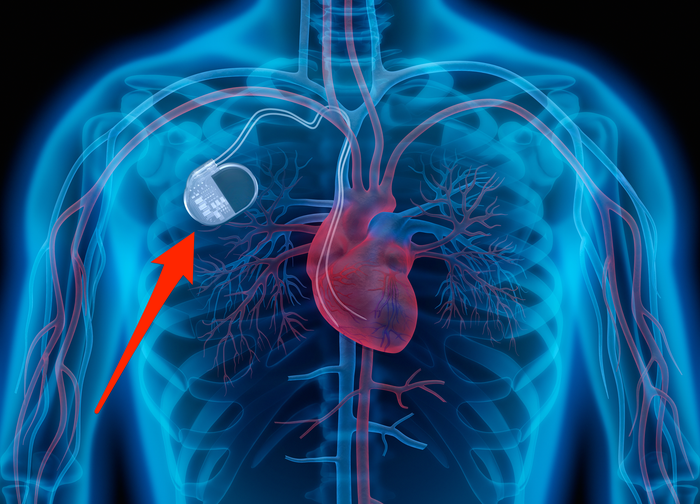

A pacemaker is a small medical device used to regulate an irregular or slow heartbeat. Patients may have questions about how it works, when it is needed, and how it may affect daily activities. Here are some common questions about pacemakers:
How Does a Pacemaker Work?
The human heart relies on a natural electrical system that controls its beating rhythm. A pacemaker steps in to assist when the internal system fails to operate correctly. The device generally consists of a pulse generator and one or more wires, which medical professionals call leads. The generator houses the power battery and a tiny computer; the leads connect this generator directly to the heart’s inner walls. It constantly monitors heart rate throughout the day and night and delivers an electrical pulse only when it detects a drop in heart rate.
What Happens During Placement?
Doctors follow a methodical procedure when implanting a pacemaker in a patient’s chest. Here’s what patients can expect:
- Preparation: Medical staff cleans the chest area, and they administer local anesthesia to numb the surgical site.
- Incision: The physician makes a small cut near the collarbone to create a pocket for the generator.
- Lead placement: The medical team guides the flexible wires through a major vein directly into the correct heart chambers.
- Testing: The doctor connects the wires to the pulse generator and tests the entire system to make sure it functions properly.
- Closure: The surgeon closes the incision with stitches, and they apply a sterile bandage to protect the area.
After the surgical team completes the procedure, clinical staff monitor initial recovery for a few hours in a designated room.
Can Daily Life Continue?
Most individuals return to their regular daily routines shortly after they receive a pacemaker. Patients can engage in physical activity, but they must follow their doctor’s activity guidelines. Certain electronic and magnetic devices can interfere with the machine’s operation. Patients should keep their cellular phones at least six inches away from their chests. The medical team will provide a comprehensive list of specific items to avoid at home or at work.
Some patients wonder about traveling and passing through airport security checkpoints. Patients can travel safely and walk through standard metal detectors at a normal pace. Handheld security wands contain strong magnets that can disrupt the device; patients must inform security personnel about the medical equipment before they perform any manual screening. They will use alternate search methods to clear you for travel.
How Can One Maintain It?
Proper maintenance is a fundamental part of living safely with a pacemaker over the long term. Here’s how patients can maintain the device:
- Regular checkups: You must visit your cardiology clinic on a set schedule, and the staff will assess battery life at these appointments.
- Remote monitoring: Modern devices can transmit data directly to a medical office, which allows clinical staff to track your heart rhythm from a distance.
- Battery replacement: The pulse generator battery lasts for several years, and doctors perform a minor procedure to replace it when the power runs low.
- Identification cards: You receive a special medical identification card that details your specific device model and manufacturer.
- Medical communication: You must show this ID card to all new healthcare providers and inform dentists about the device before any procedures.
These safety steps play a fundamental role in maintaining the proper function of your equipment.
Learn More About a Pacemaker
A pacemaker provides a reliable and steady method to manage a slow or irregular heartbeat. Understanding how the device operates is a helpful step for patients and their family members. The placement procedure follows a structured clinical process, and daily life requires only a few routine adjustments over time. Contact a qualified cardiologist near you to schedule your appointment and learn more about getting a pacemaker today.