
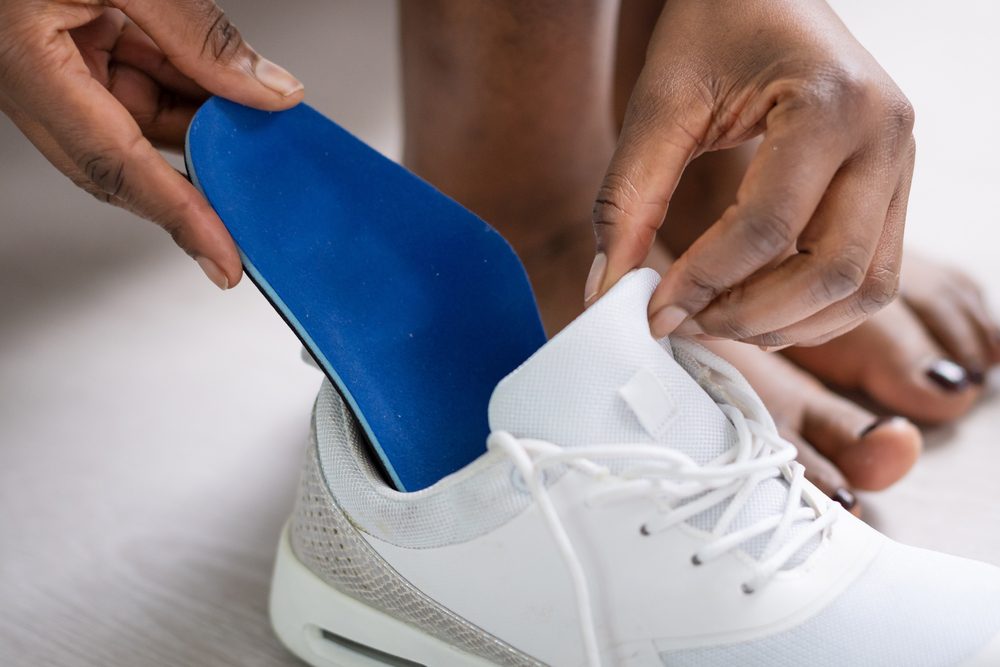

Custom orthotics support the feet, correct alignment, and ease discomfort caused by a range of conditions. Finding the right custom orthotics clinic matters because not every provider offers the same level of care or the same approach to customization. The right clinic combines accurate assessment, quality materials, and professional oversight.
What Are Orthotics?
Orthotics are devices placed inside shoes to support and align the feet. They differ from standard shoe inserts found in stores. Off-the-shelf inserts offer general cushioning. Custom orthotics are made to match the shape and needs of an individual foot.
These devices serve several purposes. Some redistribute pressure across the foot to relieve sore spots. Others correct the way the foot moves during walking or running. A few are designed to limit motion in a specific joint that causes pain.
Orthotics fall into two broad categories. Functional orthotics control abnormal movement and are often made from firmer materials. Accommodative orthotics provide cushioning and support for conditions like diabetic foot ulcers or painful calluses. The right type depends on the underlying condition.
Who Needs Them?
Orthotics can help people living with a wide range of foot and lower-limb conditions. They are often recommended when pain interferes with daily activity or when standard footwear no longer provides enough support.
Common reasons for orthotics include:
- Plantar fasciitis, a condition that causes heel pain, especially in the morning.
- Flat feet or high arches, which can place uneven stress on the feet and joints.
- Diabetes, where reduced sensation increases the risk of sores and ulcers.
- Arthritis, which can cause stiffness and pain in the joints of the foot.
- Overpronation or supination, where the foot rolls too far inward or outward during movement.
Athletes also use orthotics to manage repetitive strain and improve stability. Workers who spend long hours standing may benefit as well. In many cases, foot problems contribute to discomfort in the knees, hips, or lower back, since the body relies on the feet for proper alignment.
How Are They Customized?
Customization begins with a detailed assessment of the foot and the way it moves. A trained clinician examines posture, gait, and any areas of pain or pressure. This step identifies the root of the problem rather than just the symptoms.
The next stage involves capturing the shape of the foot. A custom orthotics clinic may use one of several methods:
- 3D scanning, which creates a digital map of the foot’s surface.
- Plaster or foam casting, which forms a physical mold of the foot.
- Pressure-plate analysis, which records how weight spreads across the foot during movement.
Once manufactured, the orthotics are fitted and tested. Adjustments are common during this stage, since small changes can improve comfort and effectiveness. Follow-up visits allow the clinician to confirm that the devices perform as intended over time.
Visit a Custom Orthotics Clinic
When you are ready to explore orthotics, start by talking to a podiatrist at a custom orthotics clinic. A podiatrist is a specialist in conditions of the foot and ankle, and they can determine whether custom orthotics are right for your situation.
Choosing the right clinic gives you the best chance of lasting relief.