-
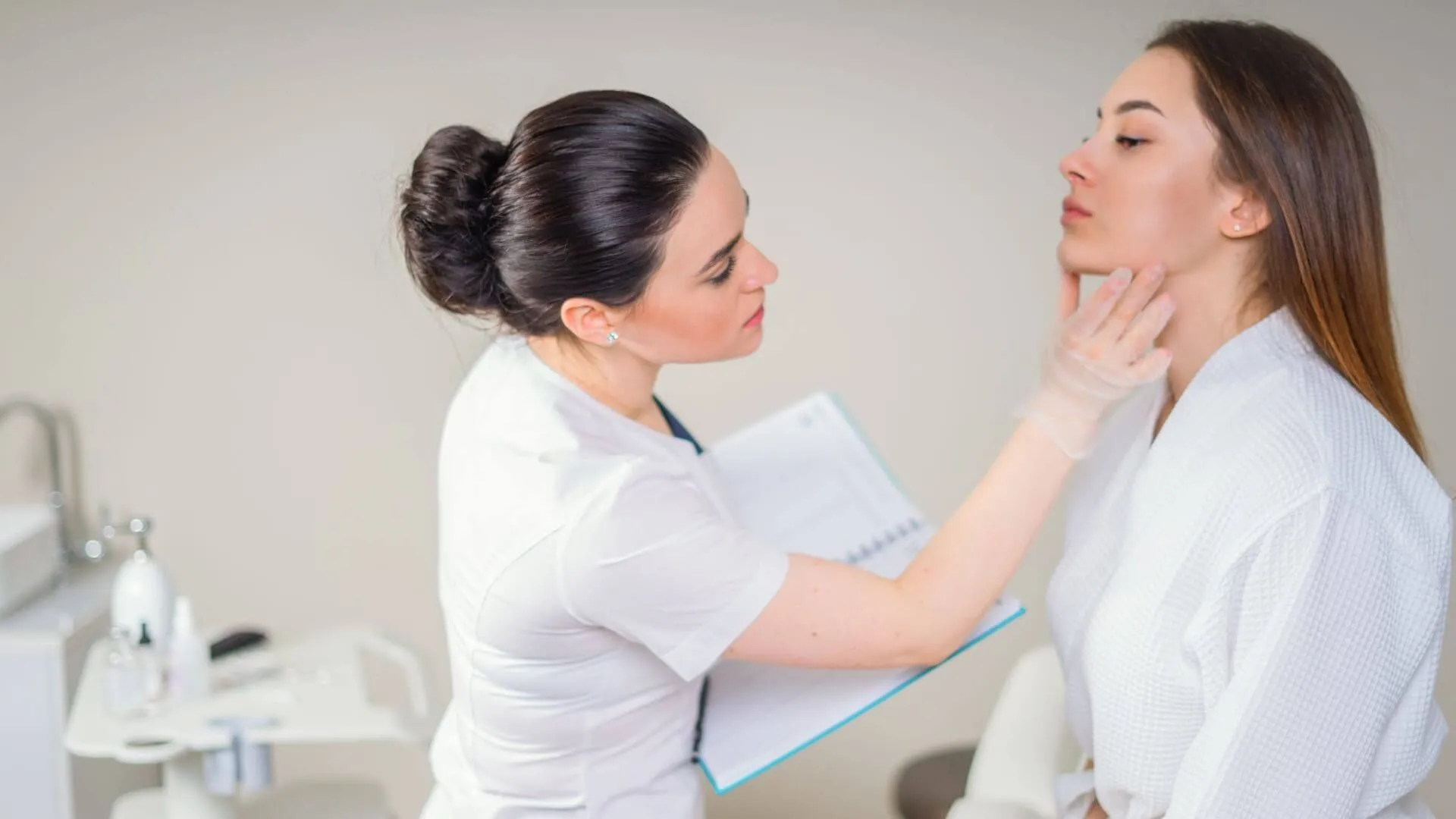
What to Expect During Your First Visit to a Medical Spa
A med spa, or medical spa, is a blend of a traditional spa experience and advanced medical treatments performed under the supervision of licensed healthcare professionals. Unlike standard spas, med spas can offer services such as laser treatments, chemical peels, and Botox alongside relaxing therapies to restore balance and well-being; people often visit med spas…
-

Immediate Medical Care Without Appointment: Fast and Convenient Healthcare When You Need It
Health problems rarely happen at a convenient time. A child may develop a fever late at night, an employee may suffer a minor injury during work, or someone may wake up with severe flu symptoms on a weekend. In situations like these, waiting days for a doctor’s appointment may not be possible. This is where…
-
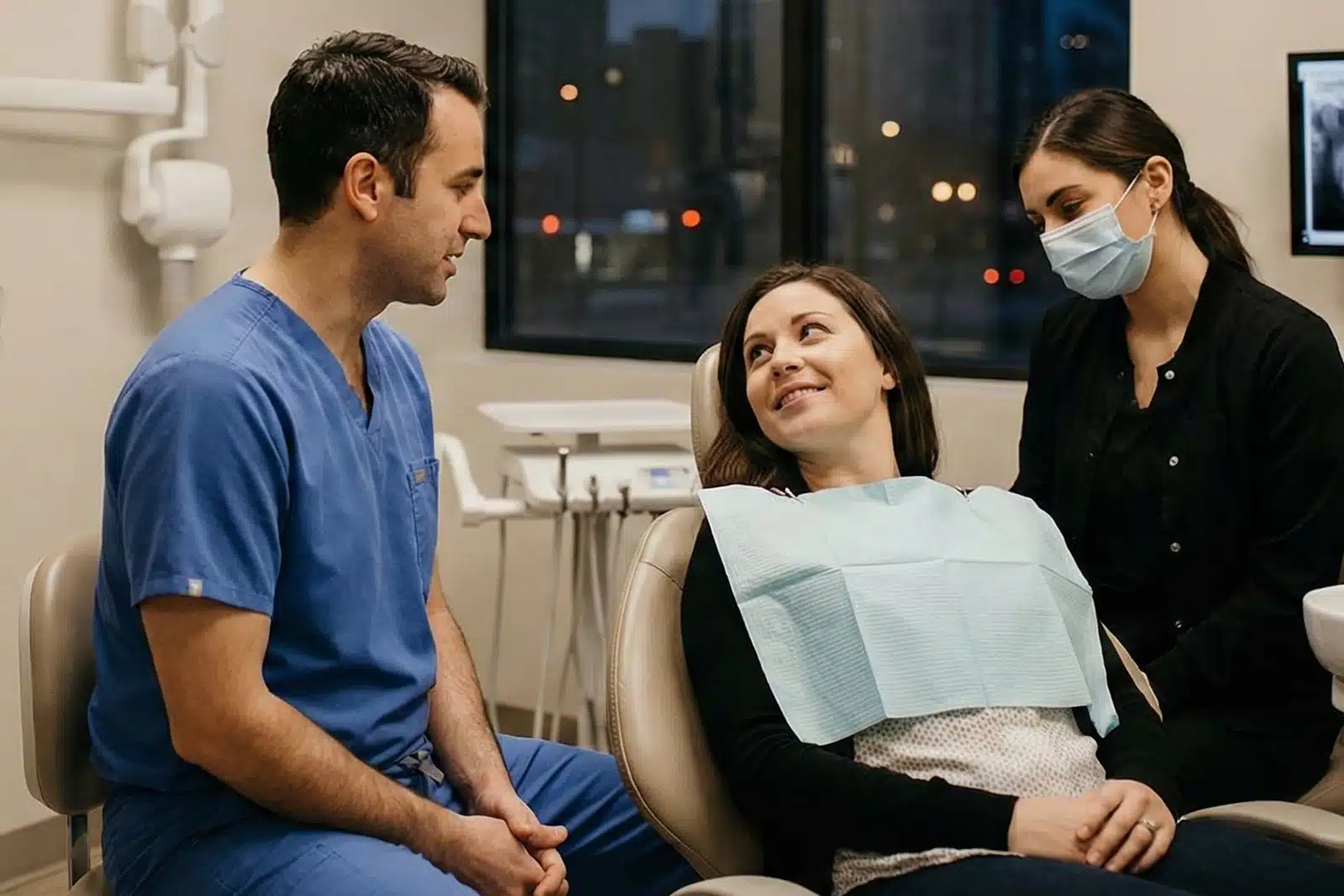
The Convenience of Urgent Care for Weekend Injuries
Weekend injuries often require prompt medical attention, especially when primary care offices are closed. Clinics treat many non-life-threatening conditions, including sprains, strains, minor fractures, and cuts. These facilities typically offer extended hours and shorter wait times than emergency departments for less severe injuries. Urgent care provides a convenient option for receiving timely evaluation and treatment…
-
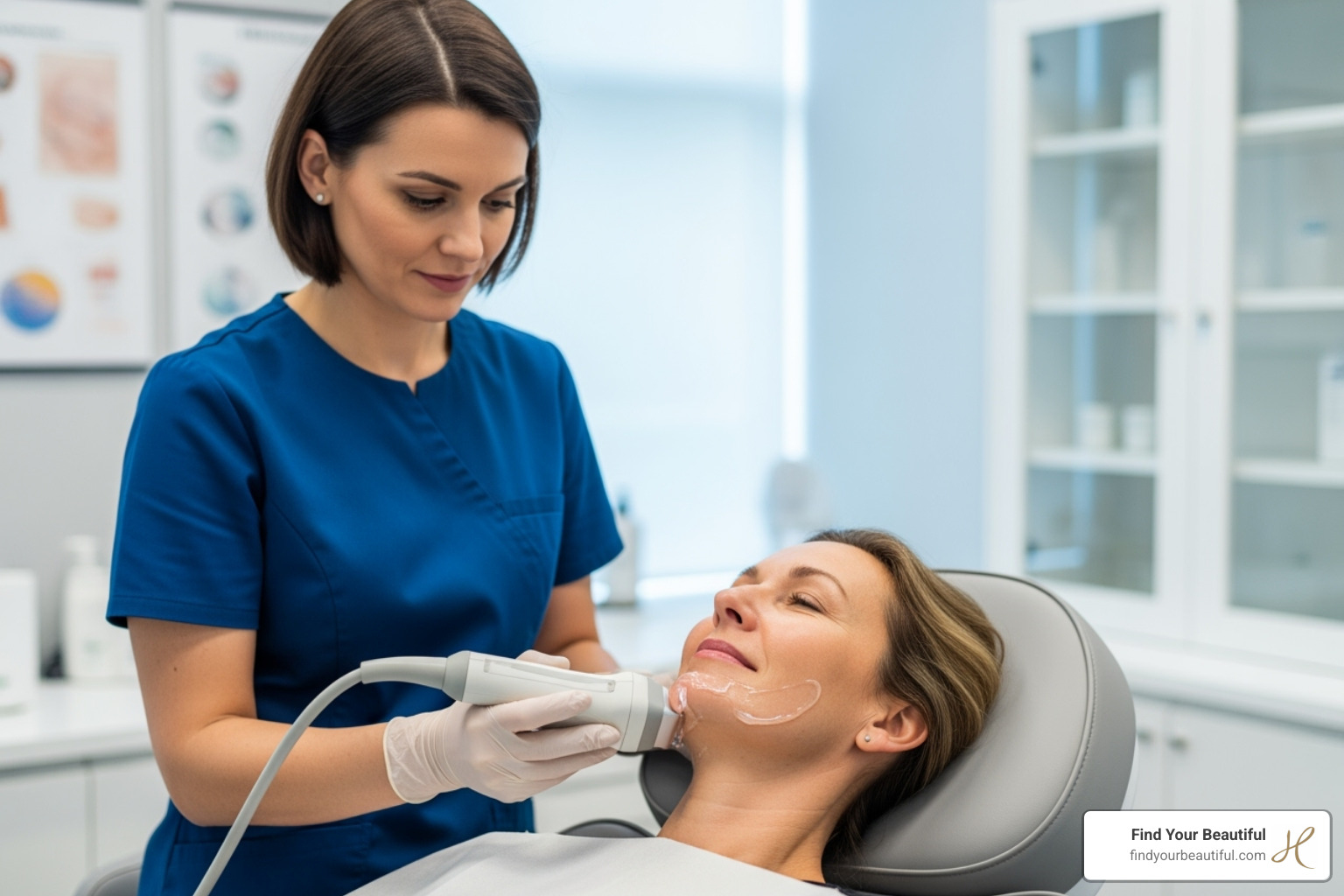
Innovations in Skin Tightening Technology
Skin tightening covers a group of treatments that aim to firm and smooth the skin’s surface. The skin loses collagen and elastin as it ages, and many treatments target these changes through different methods. New tools give people more choices than were available a decade ago. These options range from gentle surface treatments to deeper…
-
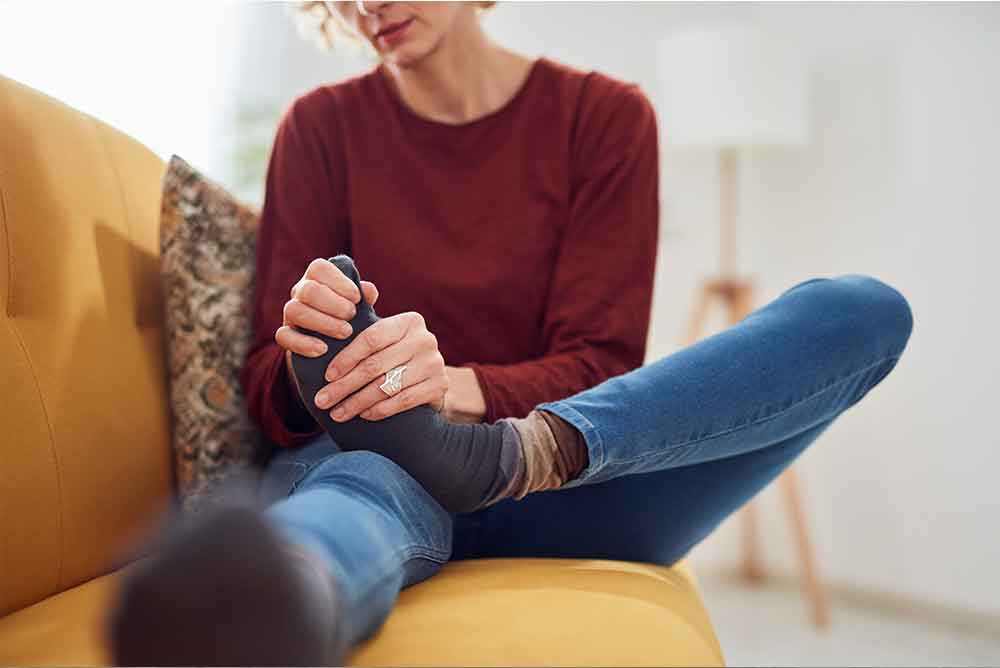
Innovative Approaches to Neuropathy Management
Neuropathy is a condition that affects the peripheral nerves responsible for sensation, movement, and certain automatic bodily functions. When nerve damage occurs, symptoms may include tingling, numbness, weakness, burning sensations, or chronic pain that is able to interfere with daily activities. Because neuropathy has many potential causes, treatment often involves a personalized approach that is…
-
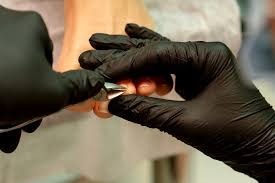
The Benefits of Early Intervention With a Podiatrist
Podiatrists are medical specialists who treat the feet, ankles, and lower limbs, and they also manage problems like injuries, deformities, and chronic pain. Since the lower body supports daily movement, early care matters for people of all ages. A podiatrist examines your gait, structure, and skin to identify issues before they progress. Here are some…
-
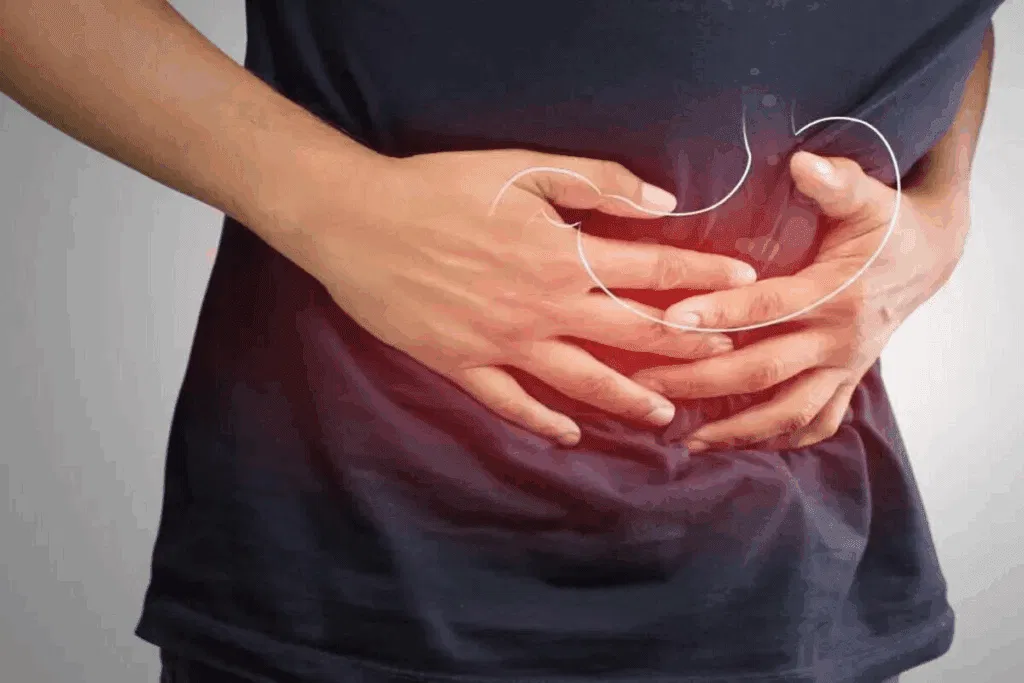
Tips for Living Without a Gallbladder
The gallbladder is an organ that stores bile and releases it to help break down fats during digestion. Surgeons perform a gallbladder removal in a procedure called a cholecystectomy, and the operation often occurs after an individual has problems with gallstones or inflammation. When the gallbladder is gone, bile flows straight from the liver into…
-
Non-Invasive Treatments for Neck Pain Relief
Neck pain affects people across all age groups and activity levels. It describes any discomfort, stiffness, or restricted movement in the cervical region, ranging from mild tightness that fades on its own to persistent pain that disrupts daily routines. Non-invasive treatments may be the first line of management; these are approaches that address the issue…