-
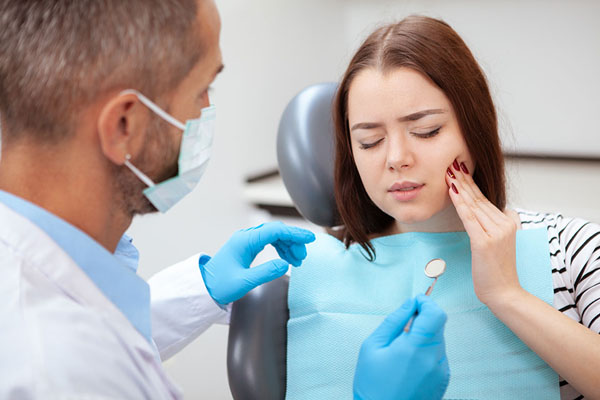
Exploring the Range of ENT Services Available for Patients of All Ages
Otolaryngology, commonly called ENT care, focuses on the ears, nose, throat, and related head and neck structures. Patients of all ages may visit an ENT specialist for evaluation and guidance. These professionals address concerns that affect hearing, breathing, swallowing, and balance; their services range from routine exams to in-office procedures. Here’s information about ENT services…
-

Functional Health as a Holistic Approach to Wellness
Functional health looks at the whole person rather than isolated symptoms, and it draws on biology, lifestyle, and environment to understand how the body works as a system. In this field, practitioners use this approach to find patterns that standard clinical models sometimes miss. Functional health gives patients and providers a shared framework for understanding…
-

The Relationship Between PTSD and Sleep Disturbances
Nightmares and flashbacks regularly interrupt your normal sleep cycle. PTSD can keep your brain alert, and this alertness creates hypervigilance. When you have frequent fear, your nervous system remains active. Understand Daily Functioning Impacts Sleep deprivation amplifies irritability and mood swings during daytime hours. Exhaustion reduces your focus, and problems concentrating affects your work. Your…
-

Recognizing the Signs You Need to See a PTSD Therapist
Post-traumatic stress disorder requires careful attention. Symptoms disrupt daily routines, and they often persist over time. When you notice specific signs, you should seek help. Recognizing these indicators with a PTSD therapist is a step. Are Flashbacks Disrupting You? Flashbacks interrupt your daily focus, pulling you back to a traumatic event without warning. These intrusive…
-

What To Look for When Choosing a Medspa
Choosing a medspa involves reviewing treatment options and overall facility standards. Many aesthetic centers offer services such as Botox injections, IV therapy, skin treatments, and body contouring procedures. Researching available services helps patients select a medspa that supports both safety and aesthetic goals. Here is more information on what to look for when choosing a…
-
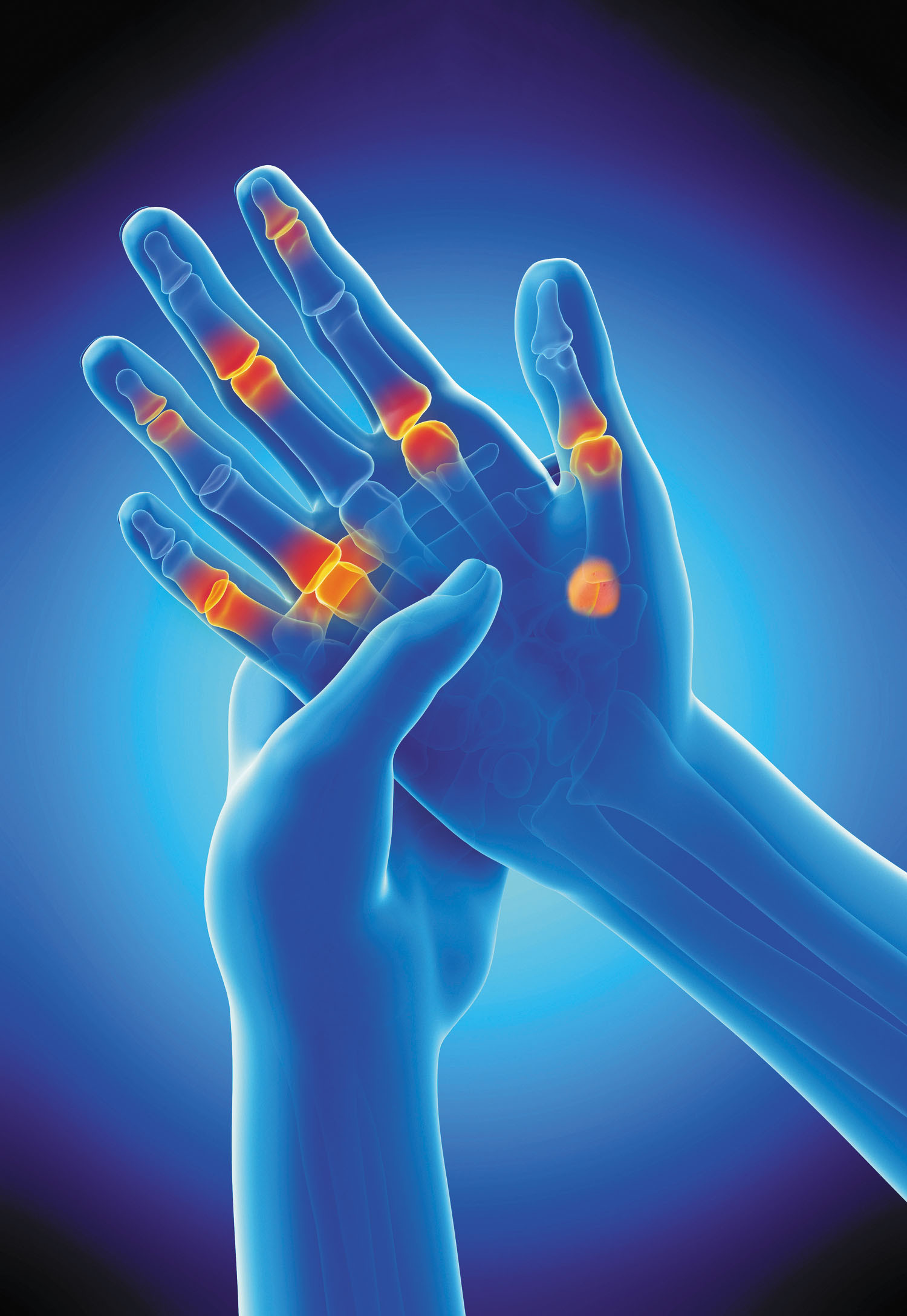
Understanding the Different Types of Arthritis
Joint pain and severe physical inflammation characterize the medical condition known as arthritis. Because no cure exists, doctors focus on managing the patient’s daily symptoms and addressing the root cause, if possible. Medical treatments help relieve chronic joint stiffness, and they can restore physical mobility for affected individuals. Here is more information about the different…
-
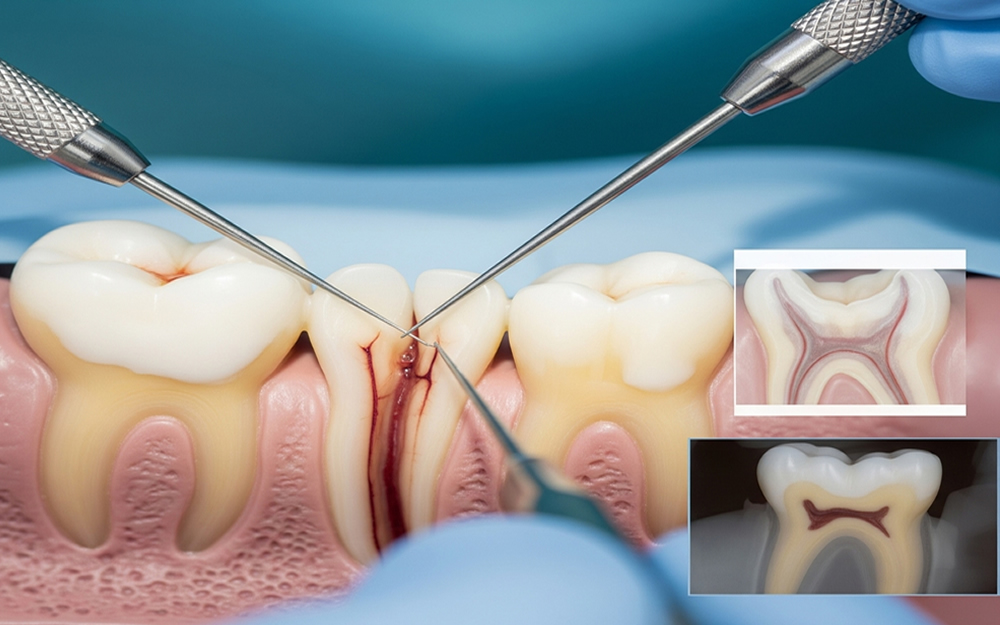
Understanding the Recovery Process After a Root Canal
A root canal is a dental procedure used to treat the inside of a tooth when the pulp becomes inflamed, infected, or damaged. During the visit, the dentist removes the affected tissue and seals the tooth. Recovery begins after the procedure, and it continues as the tooth and surrounding tissues settle. Here is some information…
-
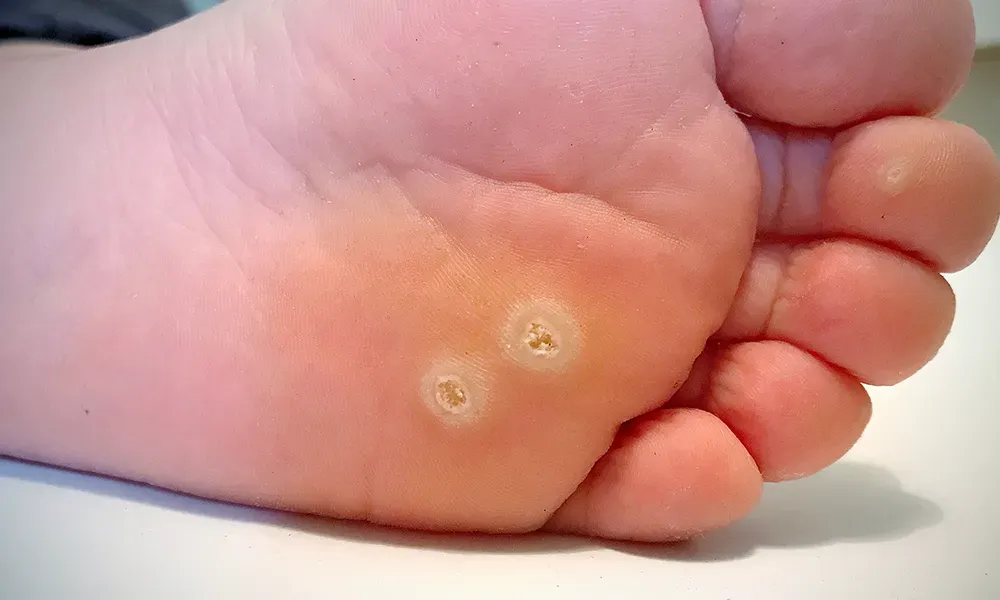
Understanding the Impact of Warts on Your Daily Life
Warts are small, rough growths caused by the human papillomavirus (HPV). They appear on the skin when the virus enters through a cut or break. Different strains of HPV produce different types of warts, and they show up on hands, feet, and other areas of the body. They are contagious, and they spread through direct…